
Drone over Palma: Menorca refueling stop and the question of Mallorca's airspace safety
A small drone incident led to a nighttime refueling stop on Menorca and an hour's delay in Palma. What the disruption reveals about technical, organizational and tourist vulnerabilities of Mallorca's airspace.
When a small drone put the night over Palma out of rhythm
It was one of those mild autumn evenings when the air over Palma still smells of sea salt and grilled sausages, the palms along the Passeig rustle softly and people spread out into the night streets. Then the announcement on the plane: takeoffs and landings suspended. Aircraft circled. Some flights were diverted, as reported in Drone paralyzes Palma — why a small device makes our airport vulnerable. Among those affected: an entertainer on his way to the Bierkönig at Playa de Palma.
Between Cala Rajada and Cala Millor: circling, falling fuel, Menorca as an alternate
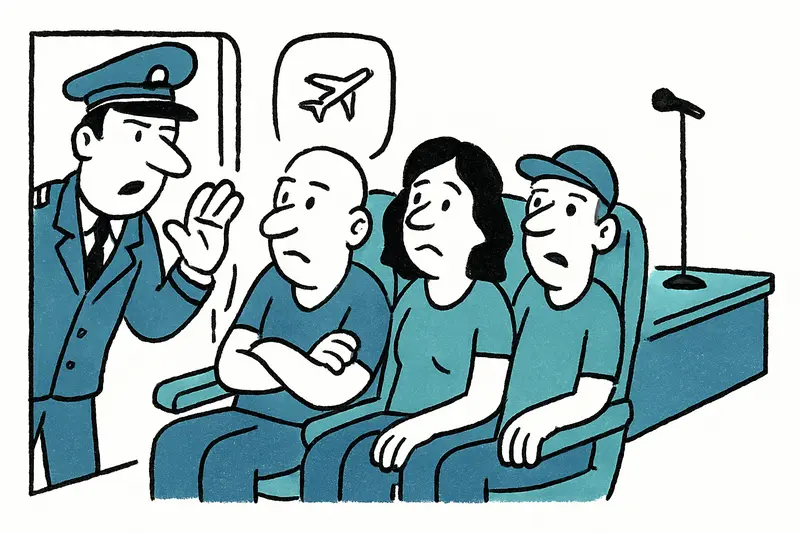
The plane circled for about 20 minutes over the northeast of the island, somewhere between Cala Rajada and Cala Millor. Inside, the air conditioning hummed, the cabin lights were dimmed, outside the coastal lights blinked. For the crew, the fuel gauge suddenly became a serious concern. The pragmatic decision was Menorca: a short refueling stop, then back to Palma, a response described in Drone over Palma Airport: Guardia Civil Investigates – How Safe Is Our Airspace?. Routine, but with consequences.
The refueling stop on Menorca felt almost like a scene from a travel guide — refuel, a quick coffee, quiet conversations. For many passengers it remained a quirky anecdote; for others the delay meant missed connections, annoyed travelers and financial losses. The episode has been covered in Drone in the Sky over Palma: Why 35 Minutes of Chaos Aren't the Whole Story. And: it was a wake-up call about how vulnerable our airspace is.
Stage instead of boarding: why event schedules wobble
Back in Palma the entertainer landed about an hour late, but still took the stage at 11 pm. The audience heard beats, the clinking of beer glasses and a familiar grin. For technicians and promoters, however, such buffers are minimal: soundcheck, roadies, lighting plans — everything tightly scheduled. A single disruption and an entire night risks falling out of sync. The economic impact often becomes visible only later: lost revenue in clubs, longer working hours for crew and staff, stress for artists.
The real question: how safe is our airspace, really?
Officially it was a precaution: a drone was sighted near a runway, so takeoffs and landings were briefly suspended, and authorities opened inquiries as described in Drone over Son Sant Joan: Investigations, Gaps and the Question of Effective Prevention. That is responsible. At the same time it is alarming. A small, cheap device can be enough to disrupt airport operations and logistics. The debate must go beyond the why: How early are such devices detected? Who is responsible? And how capable are we in everyday practice when tourism, private flying and recreational drones coexist in a confined space?
On Mallorca several aspects are underexposed: the training and awareness of recreational drone pilots — many are tourists who unpack drones from their suitcases and do not know local flight bans. The technical equipment of airport security — radar, RF detection, optical systems — varies greatly. And communication toward stranded passengers is often improvised rather than proactive.
Concrete steps instead of shrugs
Such incidents are both nuisance and opportunity. Some measures could be implemented relatively quickly:
1. Better detection and response chains: Radar and RF detection systems along critical approach sectors could identify drones earlier. Alongside technology, clear and fast responsibilities are needed — who decides a temporary flight ban, how are airlines informed?
2. Geofencing and mandatory firmware standards: Manufacturers and authorities should cooperate bindingly so that drones are automatically blocked in sensitive zones. This must not remain a paper project, but also apply to rental and imported devices.
3. Control duties for rental providers and public awareness: Rental shops, boat hire companies and hotel concierges could be required to briefly inform buyers and renters about flight bans near airports and registration obligations. Short info videos or a notice at the counter would already help a lot.
4. Legal clarity instead of grey zones: Jamming is legally tricky; shooting down drones is socially and legally problematic. Clear laws on responsibility (pilot, owner, renter) and effective, proportionate sanctions are needed.
5. Local contingency plans for events: Clubs, promoters and artists should have binding backup plans: flexible start times, short program routes, technical buffer systems or replacement acts. This protects artists, crew and the local event economy.
An incident — and a chance to improve
In the end, for many it remains an anecdote: the entertainer later tells with a wink about the Menorca refueling stop, guests remember the unusual story. But it would be shortsighted to stop there. Mallorca lives by planning and improvisation alike — by loud engines, late return flights and constant comings and goings. Precisely for that reason it is worth drawing consequences from such incidents: better technology, clear rules and more education.
Then we will keep the pleasant parts of the story — the crooked smile on stage, the cup of coffee during the refueling stop — and not the worry about more serious disturbances over our heads.
Frequently asked questions
Why are drones a serious problem for Palma Airport?
What happens to flights in Mallorca when Palma Airport is temporarily closed?
Can a plane divert to Menorca for fuel if Palma is delayed?
How can a drone incident affect night-time events in Palma?
How safe is Mallorca’s airspace around Palma Airport?
What should tourists know before flying a drone in Mallorca?
What can Mallorca hotels and rental shops do to prevent drone problems?
What changes could improve drone safety around Palma in the future?
Similar News

Caro Robens: 15 kilograms lighter — and again in the crossfire of online comments
Bodybuilder Caro Robens, who lives in Mallorca, has lost 15 kilograms. Her success on Instagram was met with applause — ...

Meager Industry in Mallorca: How the Island Can Be More Than Just Tourism
The industrial sector in Mallorca is shrinking, productivity is falling and firms remain tiny. The key question: can the...
Pre-Nit de l'Art: Galerie Mensing invites to a special evening with Tom Boston
Before the big art night, Galerie Mensing opens its doors: pop art, champagne, a DJ and a hand-signed print by Tom Bosto...

Sea view and more seats: Cappuccino Grand Café reopens in Port d'Andratx
After a long renovation, the Cappuccino Grand Café on the Port d'Andratx harbor promenade has quietly reopened. Larger t...

Enric Mas wins the Vuelta – a triumph that resonates in Mallorca
Mallorcan Enric Mas has won the 82nd Vuelta — the first Spanish overall victory since 2014. Cyclists and neighbors on Ma...
More to explore
Discover more interesting content

Can Cap de Bou

Townhouse Lleo 72
