
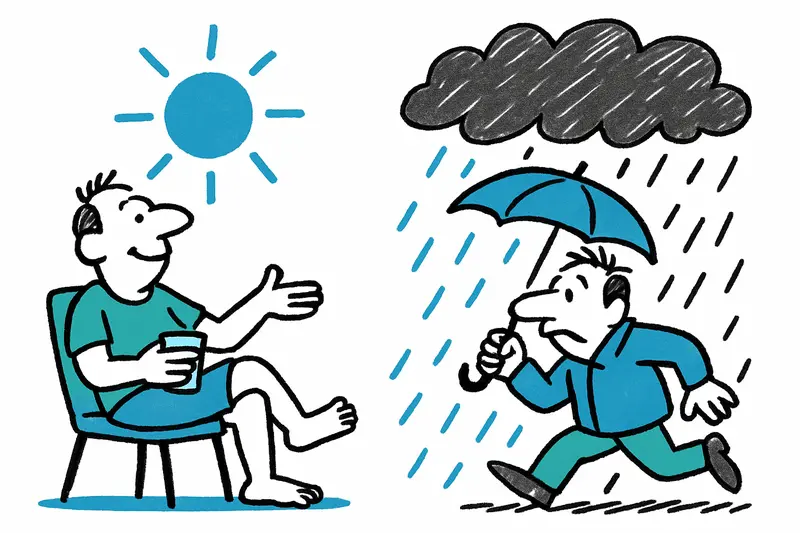
Late-summer shift in Mallorca: Sunny Saturday, storms from Sunday night — are we prepared?
Mallorca serves up summer one more time — but the calm is deceptive. From Sunday evening services warn of thunderstorms and heavy showers. We take a look: what's coming, who it will affect and how locals, businesses and holidaymakers should best react.
One last summer day — and then? The island stands between bikini and rain jacket
On the Plaça you can still hear the clacking of espadrilles and the distant engine noise of mopeds. In cafés people sit in T‑shirts, some have a cold café con leche in front of them, others have sand between their toes. Saturday feels like late summer: bright sun, a light breeze on the Passeig Marítim and temperatures that climb in Palma to around 31 °C.
The question that remains: are we ready for the quick turnaround?
The answer is not just a weather map. It's about boats in the harbour, weekly markets, the planning of small event organisers and older people who are not used to suddenly cooler nights. From Sunday evening the models turn — the night into Monday brings thunderstorms and partly heavy rain, as analysed in Thunderstorms, Downpours, Cooling and Contrasts: Is Mallorca Ready for Summer Storms?. The Aemet warnings are already out, see Storm alert on Friday: Is Mallorca prepared for heavy rain?. The scenario: local thunderstorms, occasionally heavy precipitation, temperatures falling to around 23–26 °C.
What that means for everyday life on the island
A thunderstorm here is not just wet weather. In the Ramblas and small valleys, rainfall can quickly become a problem: short, intense showers wash dust, loose rubbish and sometimes even small stones down slopes. For berth holders this means: secure tarpaulins, check fenders, retighten mooring lines. At markets like Santa Catalina stall operators quickly pull out protective covers — but sometimes the rain comes faster than the improvised shelter.
Tourism actors also feel the shift: boat trips are postponed, hiking groups seek shady bars instead of ridge paths, and beach bars stack chairs and fold up parasols. For many small businesses such last-minute changes are a logistical stress — but also an opportunity to react flexibly and offer guests alternative programmes.
What often gets overlooked in the public debate
First: the microclimates. Sóller, Llucmajor or the Tramuntana valleys can see completely different temperatures and rainfall amounts than the coast. Second: the infrastructure. Clogged drains and neglected gutters amplify local flooding; this strain on infrastructure has been highlighted in Sudden weather change in Mallorca: heat, storms — is the island prepared?. Third: communication. Not all visitors read Aemet messages or local radio; many rely on social media feeds that are often delayed or regionally inaccurate.
Concrete opportunities and solutions
1) Strengthen early-warning culture: municipalities could use SMS alerts for rapid warnings — this also reaches residents without a weather app, as discussed in New Storm Front on Mallorca: How Prepared Are the Island and Its People?. 2) Harbours and organisers: checklists for short-notice cancellations and alternative programmes (museum visits, dining offers) reduce economic damage. 3) Infrastructure maintenance: now is a good time to check channels and drains before the rainy season. 4) For locals and visitors: a small packing list helps — light rain jacket, sturdy shoes for wet pavements, a waterproof pouch for your smartphone.
Practical tips from the harbour and the village
If you still want to splash in the sea on Sunday: do it in the afternoon. Around midnight the island will switch to a yellow warning level. Boat owners: secure tarpaulins and do a quick check of mooring lines. Organisers: check insurance and T&C clauses for short-notice cancellations. Market stalls: plan quick-access covers. And those driving along the Ramblas: avoid deep, unknown access roads after heavy rain.
A small glimmer of hope
Rain showers are not just a nuisance. The soils absorb water, reservoirs are replenished, and the air becomes noticeably cleaner — a few more pleasant days follow. For those of us who prefer the island calm and green rather than dusty and hot, the storms are almost a gift package, oddly wrapped.
So: sunscreen and rain jacket within reach. Enjoy the last warm beach day, but check the weather apps again around 11 pm — and look out for your neighbours. In Mallorca, weather means not just climate, but community.
Frequently asked questions
Will Mallorca still be warm on Saturday before the storms arrive?
When are thunderstorms expected in Mallorca?
Is it still safe to go to the beach in Mallorca before the weather changes?
What should I pack for Mallorca if rain and storms are forecast?
How does heavy rain affect Mallorca’s roads and valleys?
What should boat owners do in Mallorca before a storm?
What should market stalls in Mallorca do when rain starts suddenly?
Does Mallorca get cooler after summer storms?
Similar News
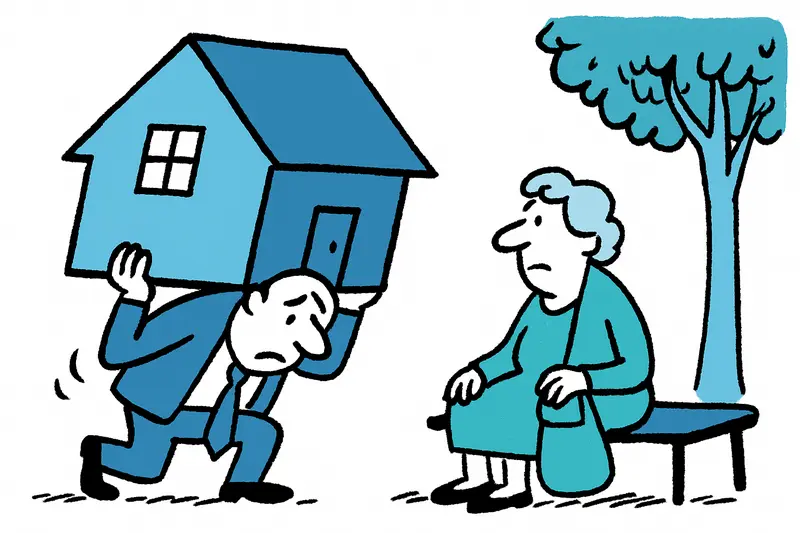
Who Bears the Burden? Mallorca Between Tenant Protection and Landlord Fears
Madrid's new housing decrees strengthen tenant rights — but on Mallorca concern is growing: will the law drive small lan...
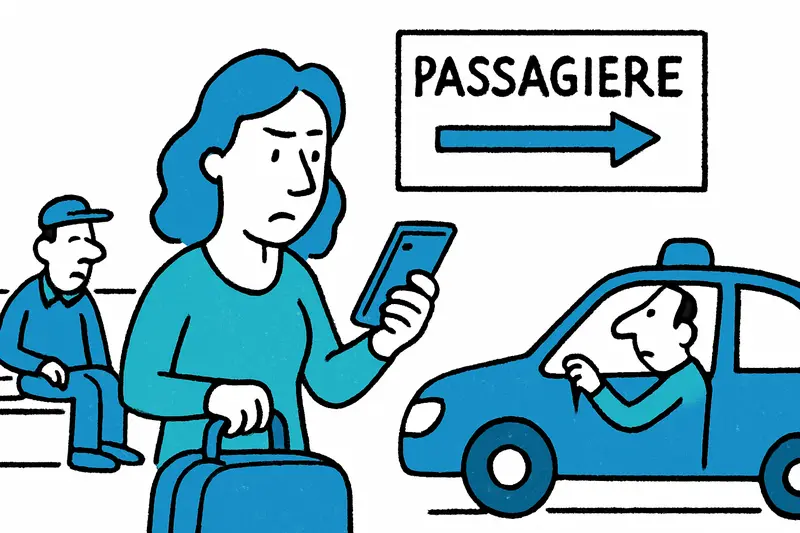
On the Edge: What Mallorca's Airport Loses If a Major Low-Cost Carrier Falters
The company that operates numerous connections from Palma to France and domestically is negotiating with creditors to re...
Ballermann star Frenzy wins 'Villa of Temptation' and donates prize money to Mallorca animal rescue
Ballermann singer Frenzy won the German reality show and donated the remaining prize money — around €14,080 — to an anim...
70 Trees Removed on Avenida Jaume I: What's Happening in Santa Ponça?
On October 1 the final redevelopment phase on Avenida Jaume I in Santa Ponça begins: 70 trees and old streetlights are t...

When a Boundary Is Crossed: The Case of Isi Glück and the Responsibility of Venue Operators
The singer from Mallorca reports an assault backstage in Halle. A clear guiding question, analysis of missing protective...
More to explore
Discover more interesting content

Can Cap de Bou

Townhouse Lleo 72
