
Lead-gray Outlooks: How Long Will the Rain Last — and How Well Is Mallorca Prepared?
Lead-gray Outlooks: How Long Will the Rain Last — and How Well Is Mallorca Prepared?
The persistent rain continues across the island; AEMET sees no quick improvement. A reality check: consequences for daily life, agriculture and infrastructure — and what should be done now.
Lead-gray Outlooks: How Long Will the Rain Last — and How Well Is Mallorca Prepared?
Key question: How long will the wet phase last, and what gaps in preparation and communication does it reveal?
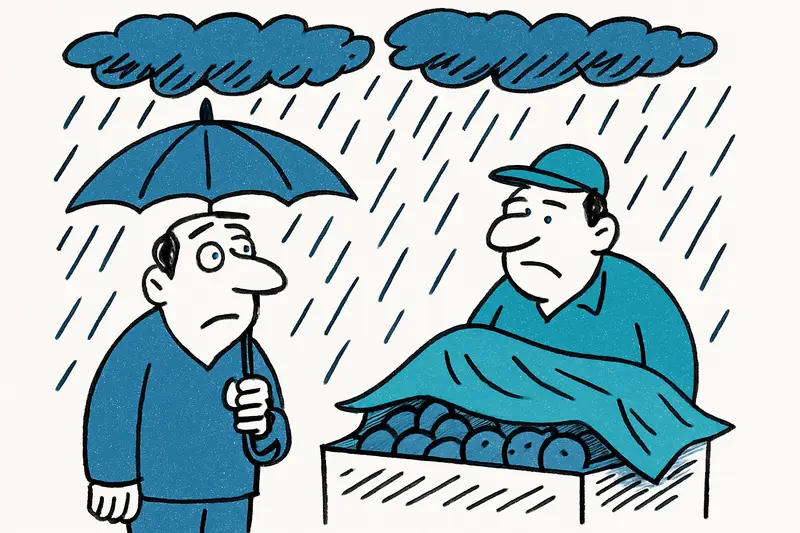
If you stroll along the Passeig des Born on Friday morning, you hear the steady drumming of raindrops on café umbrellas, see market traders on the Plaça Major covering their fruit with tarps and drivers slipping more cautiously than usual through the puddles. According to AEMET, as reported in Weather Change in Mallorca: Are We Ready for a Longer Rainy Period?, the unsettled weather will remain at least into next week; nights will be cooler, daytime temperatures will fall back into the single digits, and the snow line can locally drop to around 1,300 meters.
This is more than just a nuisance for a Sunday outing: in the Serra de Tramuntana there were recently up to 87 liters per square meter, Banyalbufar reported 53 liters, Palma airport recorded 46, Campos and Llucmajor 45, and Cala Rajada 41 liters. Such numbers not only mean wet shoes but also strain soils, roads and small businesses, as detailed in Persistent Rain in Mallorca: Are We Really Prepared?.
My critical analysis starts with the forecast itself: weather services provide models, probabilities and warning levels — but the translation of this data into concrete measures on the ground often remains fragmentary. Municipalities react differently; some cleaned their drainage systems last year, others report clogged gutters and overwhelmed drains. This inconsistency is highlighted in Restless week in Mallorca: How well is the island prepared for heavy rain?. If on a slope above Sóller the water searches for routes faster than the municipality distributes sandbags, the causal chain from forecast to protective measure breaks down.
What is often missing in public discourse: concrete guidance for farmers and small businesses, standardized immediate plans for flooding and mudslide risks, and clear responsibilities between municipality, island government and road authorities. Conversations in Portixol or at the weekly market often sound like this: people know it's raining, but not who to call in case of storm damage, how quickly help will arrive or which insurances apply.
A scene from everyday life: on Carrer de Sant Miquel a vendor pulls her jacket tighter as she stretches a plastic sheet over her cured meats. A city bus is delayed, bicycle couriers move onto the pavement, and the smell of freshly baked pa de Mallorca rises from a bakery — a small piece of normality in a damp city. These scenes show: the island continues to function, but at the cost of improvised solutions.
Concrete solutions that can be implemented immediately: first, a coordinated on-site map of critical spots — depressions, clogged drains, landslide hazard zones — shared between municipalities. Second, a short-term deployment program to clear gutters and clean basins before the next layer of rain arrives. Third, pragmatic communication channels: updated neighborhood warning WhatsApp groups, clear phone numbers for emergency reports and notices for event organizers and tourism businesses.
In the medium term other priorities are needed: increased investment in retention areas in valleys, better forest maintenance in the Tramuntana that not only protects woods but also reduces soil erosion, as well as financial support for farmers whose land suffers from mud and rock. For road infrastructure this means targeted renewal of drains, channels and runoff gutters, not just on the Passeig or airport access roads but also in Campos and Llucmajor, where measurements show heavy rainfall.
On the tourism side honesty is required. Arriving guests should be informed realistically about the weather — not to cause alarm, but so outdoor events, boat trips and hikes can be rescheduled flexibly. Such coordination reduces mistakes and protects people. At the same time emergency plans for ports and coastal sections must be sharpened: storm and wave forecasts with clear berth rules protect boats and promenades.
Finally a pointed conclusion: rain is vital for our island, but planning gaps quickly turn water into a problem. We need less bewilderment and more concrete procedures: who clears the gutters, who provides sandbags, who pays for the damage? As long as answers to these questions remain in the fog, every new shower is a test of Mallorca's everyday resilience. A small piece of neighborhood advice: when it rains, check the drains outside your door, secure garden furniture, and ask your municipal WhatsApp channel if help is on the way. It's not glamorous, but useful — and exactly what we need now.
Frequently asked questions
How long will the rainy weather last in Mallorca?
Is it still worth going to Mallorca when the weather turns wet?
What temperatures can Mallorca expect during a wet spell?
Can it snow in the mountains of Mallorca during heavy rain?
What should I pack for Mallorca in rainy weather?
Why is the Serra de Tramuntana more at risk during heavy rain?
How much rain did Palma airport and other parts of Mallorca receive?
What kind of flood preparedness does Mallorca still need?
Similar News

Rental Car Theft in El Arenal: What This Incident Reveals About Our Gaps
A teenager steals a running rental car in El Arenal, flees on foot, climbs over walls and is caught by the Guardia Civil...
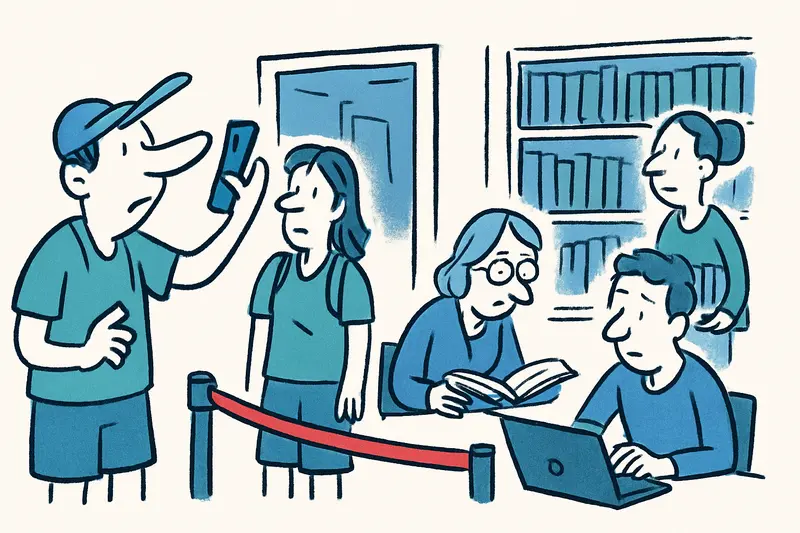
Red Rope in Palma's Library: What Helps Against Selfie Tourism — and What's Missing
Palma's city library cordoned off an area with a red rope to keep selfie tourism away from reading and working activitie...
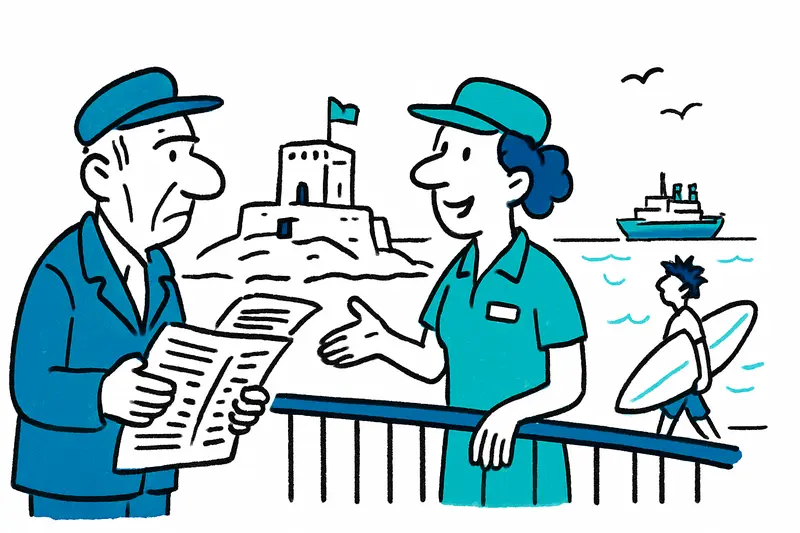
Fort San Carlos: Museum, Harbor Dispute — and a Conflict That Demands Answers
The military museum at Fort San Carlos sits right on Palma's harbor, with unexpectedly quiet rooms filled with cannons a...
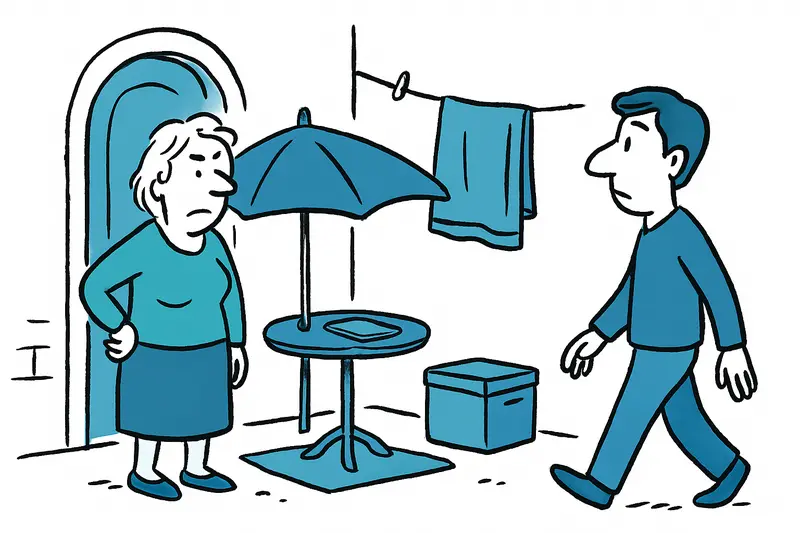
Old Town Under Pressure: When a Doorway Becomes a Sleeping and Shower Place
For months a woman has been living with a parasol, a clothes rack and personal belongings next to the social welfare off...
When Shopping Weighs Heavier: Mallorca Demands a Tax Pause on Food and Fuel
Rising prices are putting pressure on households and agriculture. The Balearic Islands are calling for temporary tax rel...
More to explore
Discover more interesting content

Can Cap de Bou

Townhouse Lleo 72
