
Enough Is Enough? Llubí Introduces Strict Waste Rules — Fines Up to €3,500
Enough Is Enough? Llubí Introduces Strict Waste Rules — Fines Up to €3,500
Llubí has adopted a new waste ordinance: mandatory separation, house-to-house collection with a calendar, regulated use of the recycling center — and heavy fines up to €3,500 (up to €15,000 for serious violations). Time for a reality check.
Enough Is Enough? Llubí Introduces Strict Waste Rules — Fines Up to €3,500
Reality check: Can deterrence solve the problem — or are practical solutions missing?
Key question: Is a penalty schedule of up to €3,500 (in extreme cases up to €15,000) enough to tame the flood of waste in a village like Llubí — or will it mainly create grounds for conflict?
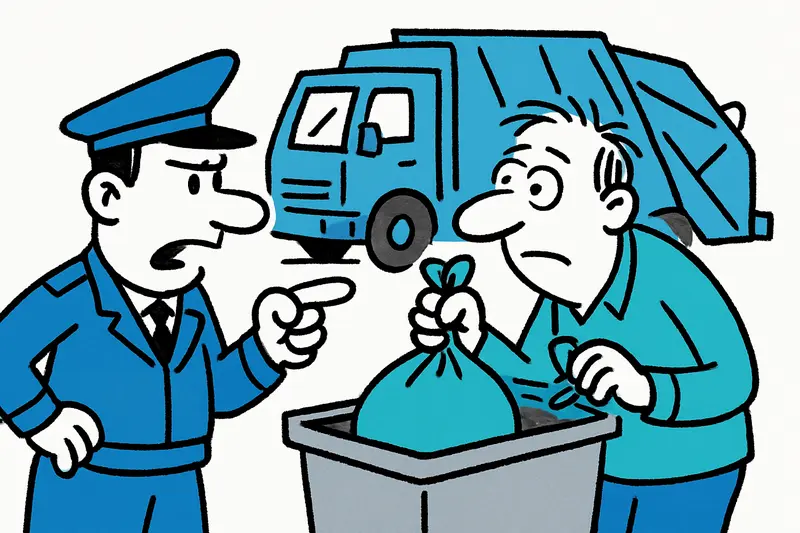
On market Sundays in front of the Plaça de l'Església you often see the scene: vendors pack up boxes, older neighbours bring bags of waste paper, children splash in puddles, and in the background the blue garbage truck creaks. The new municipal waste ordinance of Llubí aims to address such images consistently. The main points are familiar: mandatory household waste separation, house-to-house collections on a daily calendar, precise rules about the types of containers and how waste must be presented, and stricter use of the recycling center (residents only, identification required, staff instructions must be followed). Violations can be considered serious and sanctioned with fines of up to €3,500; in particularly grave cases the ordinance even mentions up to €15,000. Problems on the island are varied, from street-level dumping to larger illegal deposits, as reported in Son Reus: Massive Dump on Finca Puts the Island's Responsibility to the Test.
It sounds harsh. And it is. But harsh words alone are not a solution. The ordinance is detailed: public bins are not meant for cardboard or household waste, large electrical appliances must not simply be left on the street, nothing may be left outside collection points, paper and cardboard should be folded and placed in the designated containers. Even discharging solid or liquid waste into the sewer is listed as a serious offence. All of this seems sensible; stricter rules can improve the quality of collected streams and raise recycling rates. Yet several critical questions remain open.
First: How well are residents informed? A calendar on the front door helps, but reality shows that people understand rules better through repeated, practical demonstrations. A flyer, a one-off social media post, or a notice in the municipal mail rarely suffice. Especially newcomers, seasonal workers and tourists need clear, easy-to-understand guidance — ideally with pictures at collection points or short videos that show step by step how to fold cardboard and how to hand in e-waste.
Second: How will enforcement be carried out? Fines presuppose that violations can be prosecuted. That raises questions about personnel and resources. Who will check on weekends or at night, when waste offenders are often active? Incidents like the one in Marratxí: When separated bags end up in the same truck — video causes uproar in Carrer Major show how complex enforcement and trust can be when procedures break down. A purely punitive enforcement approach without accompanying information breeds resentment. Best practice would be a graduated system: first warning and information, then fines for repeated offences.
Third: Are there practical alternatives for people with mobility limitations, large amounts of cardboard or bulky furniture? Those without a car or who are elderly cannot easily get to the recycling center, even if it is only accessible to locals. Mobile collection appointments for bulky waste by arrangement, a pick-up service for older households, or collection points with volunteer helpers could significantly increase acceptance.
What is missing in the public debate is the users' perspective: strengthening local routines rather than relying solely on municipal edicts. In Llubí the municipality could, for example, work with neighbourhood mentors who brief newly arrived residents on the rules. Clear, visible signage at collection points — with images and short explanations in Spanish and Catalan — would also minimise misunderstandings. Another point: collect data. Without a simple survey of where most violations occur (Carrer Major, around the market, industrial areas?), responses remain diffuse, as seen in other municipalities under pressure in Binissalem Suffocates in Waste: Who Cleans Up - and Who Pays?.
Concrete solutions: 1) a transition phase with an information campaign and home visits instead of immediate fines; 2) a tiered enforcement system (notice – warning – fine) with documented dates; 3) agreed bulky-waste pick-up by phone/online form for residents without transport; 4) regular training for recycling center staff so they can act as points of contact; 5) visible labelling and pictograms on containers and multilingual explanations; 6) a pilot project in one street or neighbourhood to gather experience and adapt the roll-out.
One more idea that doesn't cost much: feedback boxes at the recycling center or a simple phone number where citizens can report problems briefly. If people see their feedback taken seriously, willingness to cooperate increases. The municipality should also publish figures: how much less residual waste and how much more recycled material was measured in the first months? Transparency builds trust.
On a January morning Llubí often still smells of fresh bread from the bakeries on Carrer Major, the streets are cleaner than in some larger municipalities — and precisely for that reason it is understandable that the council does not want to remain idle. Strict rules can help. But they must not be the only answer. Otherwise an atmosphere may develop in which neighbours report one another instead of seeking solutions together.
Conclusion: The ordinance has the advantage of setting clear boundaries. But the motto should be: understand first, then punish. Llubí needs attention, personnel and practical offers alongside the penalty schedule. Otherwise, on market Sunday there will be only one feeling: rules have been set — but whether they bring sustainable behaviour change will be decided at the doorstep and in the relationships between people, not solely by the fine notice.
Frequently asked questions
What are the new waste rules in Llubí?
How high are the fines for breaking waste rules in Mallorca's Llubí?
What waste is not allowed in public bins in Llubí?
Can you use the recycling center in Llubí if you are not a resident?
What should I do with bulky waste or old furniture in Mallorca?
What is the best time of year to visit Llubí if I want fewer waste and crowding problems?
Why are Mallorca towns like Llubí tightening waste controls now?
How can residents in Llubí avoid problems with the new waste rules?
Similar News
Several Days of Rain Approaching: How Well Is Mallorca Prepared?
Aemet says: rain from Thursday until at least Tuesday, especially heavy on Monday. Temperatures remain mild. A reality c...
Nervous Reaction at a Traffic Stop: Why Campos Is Not Just a Sniffer-Dog Problem
At a traffic stop in Campos a 37-year-old German was arrested with a bag full of drugs. Our reality check explains why s...
Cameras Against Illegal Dumping: Porto Cristo Monitors Problem Areas – a Reality Check
Manacor has installed four surveillance cameras at particularly problematic waste spots in Porto Cristo. A local check a...
Reality check: Palma's "white" torrent — harmless salt or neglected warning sign?
White crusts on the Torrent de Sa Riera are causing a stir. Emaya describes them as salt deposits. Our reality check: wh...
When Ryanair's fleet grows: What Mallorca's travelers should know
Ryanair will soon receive 737 Max 10 jets. The larger aircraft offer potential savings — but also new risks for flight o...
More to explore
Discover more interesting content

Can Cap de Bou

Townhouse Lleo 72
