
Lonely in Cala Llombards: Why a 73‑year‑old starved — and what is missing now
Lonely in Cala Llombards: Why a 73‑year‑old starved — and what is missing now
A 73‑year‑old Swiss woman died in Cala Llombards of malnutrition. Six months without proper food, a refused hospital offer and the question: How can the island better locate and protect people in similar situations?
Lonely in Cala Llombards: Why a 73‑year‑old starved — and what is missing now
A death shakes routines and raises questions of responsibility
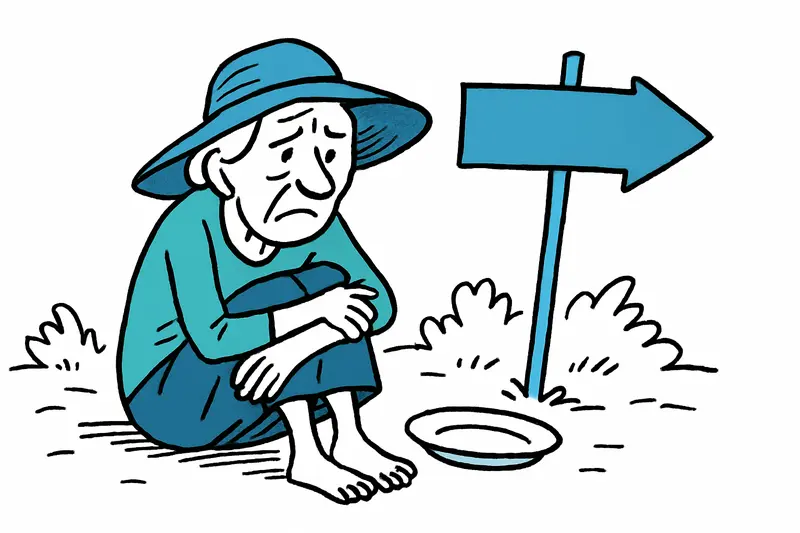
The facts are sparse, but already harsh enough: A 73‑year‑old woman with a Swiss passport died at the end of December in her house in Cala Llombards. Investigators report that she had hardly eaten for months and most recently weighed only about 30 kilograms. Several days before the emergency a doctor described the assessed health condition as so severe that she recommended a hospital stay. The patient refused and signed a declaration. On the evening of December 30 her husband called the emergency services; the teams could only confirm the death. The Guardia Civil is investigating. A comparable case was reported in Palma: Body in Santa Catalina: Why the death went unnoticed for weeks.
Key question: How can an island society prevent people in the neighborhood from deteriorating unnoticed for so long?
This is not an abstract question. Cala Llombards is a small place on Mallorca's southeast coast, where the bay is still framed by rocks and the morning silence is broken by the cry of a lone seagull. You meet locals at the bar, day trippers on hot days, and yet the loneliness behind closed doors can be large. A doctor's visit, a signature, a refused offer — apparently that is enough for contact to break off.
Critical analysis: three levels act together. First the individual: people have the right to refuse medical help; informed self‑determination is important. Second the family: the husband alerted only when the situation became acute — this can be due to uncertainty, shame or being overwhelmed. Third the system: how well are medical, social and municipal networks linked to detect vulnerability when patients remain at home?
The public discussion often lacks a concrete conversation about older foreign residents on Mallorca. Many retirees live here far from their families of origin; language barriers, changing doctors, and fragmented contacts increase the risk of neglect. There is also a missing clear view of small signals: weight loss, empty mailboxes, missed shopping and changed sounds in the house — signs that neighbors, postmen or tutors could notice.
Everyday picture: On a January morning the shop assistant in the bakery in Santanyí notices that a customer hasn't been there since October. At the beach of Cala Llombards a dog walker passes a house; the windows are shut, a letter lies in the box. Such small things carry information. Similar situations in Palma have shown how quickly a neighborhood can miss warning signs, as in Body Found in Santa Catalina: When an Entire Neighborhood Didn't Notice.
Concrete, practical and local solutions:
• Strengthened home‑visit programs for risk groups in municipalities like Santanyí and Ses Salines: mobile teams of social workers, community nurses and volunteers who regularly check on older residents and long‑term foreigners.
• Information sheets and legally binding notices in German, English and Spanish in health centers: clearly explain what a hospital stay can mean, what rights patients have and how a documented informed refusal works.
• Rapid linking of reports to the Guardia Civil, the health center and social services: when doctors see a serious risk and patients refuse, coordinated follow‑up steps — such as social visits or phone checks — should be triggered automatically.
• Expansion of neighborhood initiatives: local neighborhood networks organized through municipal offices or churches that carry out simple check‑ins by phone or visit; this costs little but can save lives.
• Consular networking: many long‑term residents have no family locally. Consulates and embassies can be more involved when foreign seniors are unreachable for long periods.
Legal diversity is a limit: coercive measures are sensitive and legally tightly defined. Therefore prevention and clear communication channels must come first — not intrusion, but proactive care. Extreme cases elsewhere underline the stakes, for example Valencia find: When a person remains unnoticed for 15 years — Lessons for Mallorca.
What is missing in the public debate? The sober acceptance that loneliness and health decisions can be a lethal combination. We talk a lot about tourism, roads and the environment, but we pay too little attention to those who live here quietly.
Conclusion: The death of the 73‑year‑old in Cala Llombards is a warning. On an island that is full of voices in summer, the quiet cases must not be overlooked. Better local networking, low‑threshold home visits, multilingual information and simple neighborhood checks are not great political wonders — but they could prevent someone from starving alone again. When we walk along the bay in the morning and hear the waves, we should also see the people in the houses.
Frequently asked questions
Why can older people on Mallorca become isolated without anyone noticing?
What warning signs should neighbors look for if an elderly person in Mallorca may be in trouble?
Can a patient in Mallorca refuse hospital treatment if a doctor recommends admission?
How can Mallorca prevent vulnerable older residents from going without help for weeks?
What support is available for older foreigners living in Mallorca?
Is Cala Llombards quiet in winter, and does that affect daily life there?
Why are small towns in Mallorca sometimes slower to notice when someone is unwell?
What practical steps can help protect elderly people living alone in Mallorca?
Similar News

Palma Gets a Welcoming Park: Tirador Goes Greener — and a Café Is Coming
A new green project in Es Fortí/Camí de Jesús will transform the old Voltadora into a city park with an experience fores...
Why the End of "Los Últimos Mohicanos" Is More Than the Closing of a Bar
With squealing tires and one last glass, an icon on the Palma–Manacor expressway closes. Why the demise of this German b...

Protest camp on Plaza España: Who asks for solutions to the right to housing?
Around 30 activists set up a tent camp on Palma's Plaza España to push for stronger tenant rights. Our analysis asks: Ar...
In the Name of a Gang: Alleged Extortion in El Molinar and What It Reveals About the Protection of Sex Workers
A man is accused of posing as a member of the Hells Angels and extorting two women at accommodation in El Molinar. The s...

When Chile Meets the Mediterranean: A New Flavor at Can Bordoy
At Can Bordoy in Palma's old town, Chilean chef Jhonatan Maldonado combines Patagonian seafood with Mediterranean island...
More to explore
Discover more interesting content

Can Cap de Bou

Townhouse Lleo 72
