

Longevity Lab in Mallorca: When Cells and Sport Start a Conversation
Longevity Lab in Mallorca: When Cells and Sport Start a Conversation
Doctors, entrepreneurs and elite athletes met at the Longevity Lab in Mallorca to discuss healthy aging from a cellular perspective. The island benefits — as a meeting point for research, prevention and performance.
Longevity Lab in Mallorca: When Cells and Sport Start a Conversation
A small networking experiment with big ambitions — and sea breeze between sessions
In the early afternoon, with the heat already like a warm coat over Passeig Mallorca, groups with coffee cups could be seen discussing at the edge of the Mallorca Country Club. Not a stiff conference corridor but a series of lively conversations: doctors, founders, coaches and former professional athletes mixed, talking about prevention, performance and the things we might do differently at the cellular level.
The meeting was initiated by the recently founded network Global Hub for Cell Performance, administered by Cell Education. Dr. Kay Bredehorst, who presented the concept, emphasized something that often gets lost amid the noise of new health promises: the needs of the individual cell as a starting point for measures against premature aging. Taking a cell seriously, the idea goes, doesn't lead one to think of pills first but of function, environment and stressors.
The tone was practical: talks remained short, long breaks allowed for exchange. On the terrace next to the tennis court rackets clacked against ball baskets while specialists and entrepreneurs discussed how research findings can be translated into simple everyday recommendations. Sometimes a single sentence — about nutrition, sleep or stress — was enough for someone in the audience to immediately rethink their approach.
RCD Mallorca and the host club acted as co-organizers; the interplay with the sporting environment was no coincidence. In the eyes of many participants the island is not merely an event location but a place where elite sport, rehab and prevention are already closely intertwined. That creates short paths between research and application: a training session in the morning, a diagnostic check in the afternoon, and conversations about how to combine the two.
Notable were the guests from sport: names from tennis and football moved between talks and networking. Such encounters have concrete effects: they bring practical questions that researchers often forget directly to the table. When a former professional player talks about her injury history, it immediately changes how one thinks about rehabilitation and long-term care.
This format is important for Mallorca for several reasons. First: the island gains an additional profile as a place where science and sport do not exist side by side but sharpen each other. Second: local providers — VitaMed Mallorca opens practice in Palmanova, Mallorca Mindful Movement studio in Can Pastilla and labs — get opportunities to network and initiate concrete projects. Third: visitors who stay to exchange ideas bring knowledge that can be used locally in programs for older people, competitive athletes and the beauty tourism in Mallorca.
The mood was optimistic without hype. No one promised eternal youth. Instead, it was about practical steps: better preventive examinations, clearer communication of research findings to general practitioners and coaches, and simple, evidence-based recommendations that people can implement in everyday life.
At the end of the day, as the sun set over Portixol and the sea quietly sighed in the distance, conversations spread into cafés and on street corners. Some ideas remained loose — others already carried a concrete plan: further meetings are planned, also outside Mallorca, but the island should continue to play an important role.
Anyone walking through Palma that day heard not only technical chatter but also voices from everyday life: a physiotherapist talking about a pilot project in a care home; a start-up founder aiming to offer pragmatic diagnostic devices; a coach who now wants to set different priorities in load management. This mix of practice and research brings the concept to life.
In short: the Longevity Lab was less sparkle, more workshop. For Mallorca that means: new contacts, concrete approaches to prevention and another building block in the island's profile as a place that connects sport, health and research. And for the audience the message remains simple and hopefully useful — listening to the cell sometimes means rethinking the big by paying attention to the small.
Outlook: Further events are planned with a focus on concrete applications: workshops for medical teams, informational offerings for sports clubs and pilots in care facilities. If the terrace conversations translate into real projects, Mallorca stands to gain — for performance, everyday life and lifespan. Plans include extensions that connect to local initiatives such as the Island Council short-trip program for over-60s, which aims to widen participation across age groups.
Frequently asked questions
What is the Longevity Lab event in Mallorca about?
How does the Longevity Lab combine science and sport on Mallorca?
Who attends the Longevity Lab in Mallorca and who benefits?
What is the format of the Longevity Lab sessions in Mallorca?
Where in Mallorca did the Longevity Lab take place, and what was the setting like?
Why is Mallorca becoming known as a hub for science, sport and prevention?
What practical takeaways can attendees implement from Longevity Lab in Mallorca?
Are more Longevity Lab events planned in Mallorca or beyond?
Similar News

Rental Car Theft in El Arenal: What This Incident Reveals About Our Gaps
A teenager steals a running rental car in El Arenal, flees on foot, climbs over walls and is caught by the Guardia Civil...

Red Rope in Palma's Library: What Helps Against Selfie Tourism — and What's Missing
Palma's city library cordoned off an area with a red rope to keep selfie tourism away from reading and working activitie...

Fort San Carlos: Museum, Harbor Dispute — and a Conflict That Demands Answers
The military museum at Fort San Carlos sits right on Palma's harbor, with unexpectedly quiet rooms filled with cannons a...
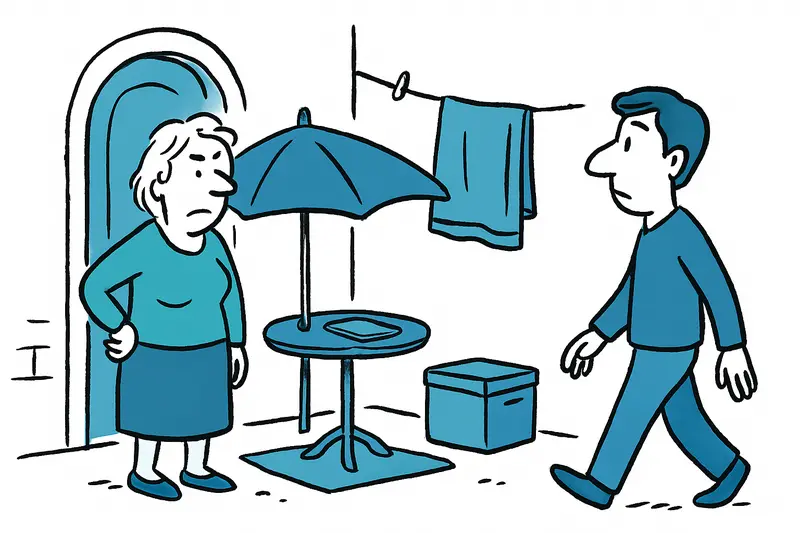
Old Town Under Pressure: When a Doorway Becomes a Sleeping and Shower Place
For months a woman has been living with a parasol, a clothes rack and personal belongings next to the social welfare off...

When Shopping Weighs Heavier: Mallorca Demands a Tax Pause on Food and Fuel
Rising prices are putting pressure on households and agriculture. The Balearic Islands are calling for temporary tax rel...
More to explore
Discover more interesting content

Can Cap de Bou

Townhouse Lleo 72
