
Loud Music, Empty Chairs: How Palma's Authorities and a Karaoke Bar Clashed
Loud Music, Empty Chairs: How Palma's Authorities and a Karaoke Bar Clashed
The city of Palma is demanding €12,751 from Pub Indigno for noise and operating as a karaoke bar without permission. What the case reveals about permits, measurement methods and neighborhood conflicts — and what is missing.
Loud Music, Empty Chairs: How Palma's Authorities and a Karaoke Bar Clashed
The Pub Indigno case between decibel levels, permits and neighborhood annoyance
In Palma a small venue is in the administration's focus: Pub Indigno, closed for months, faces an administrative claim of €12,751. The city has charged the establishment with two violations: a serious noise nuisance — the legally permitted nighttime level was exceeded by 19 decibels according to municipal measurements — and operating as a karaoke or music bar without the required permit. In addition, an order was issued in summer to deactivate and remove air-conditioning units from the facade because they were not authorized. These are the facts named by the city administration; from the street-side neighborhood you rarely hear voices from the pub anymore. The city has taken comparable measures elsewhere, including Palma bans concerts at Es Coliseu — a noise dispute.
Key question: How well do the rules on Mallorca work that are supposed to balance noise, safety and legal certainty between residents and restaurateurs? This case offers more than a local sanction — it exposes gaps in everyday practice.
Critical analysis: On one side is the administration, working with measurement protocols, fines and removal orders. On the other is an establishment that apparently functioned as a music venue without the structural evidence of adequate sound insulation. The city cites specific timeframes: inspections took place between October 1, 2023 and May 25, 2024; complaints from residents have been on file since March 2023. At the same time there is a discrepancy in the owner registration: the current operator was not registered as the owner at the time of the sanction, which is why formal objections were initially rejected. Such time lags — between complaints, inspections, registry entries and orders — create room for legal uncertainty and frustration.
What is often not discussed: How are decibel values measured, at what times and at which points? A single nighttime maximum value is of little significance without context, for example if the measurement was taken directly at the sound outlet. Likewise, binding specifications are often missing on which technical evidence a small venue actually needs to present in order to operate as a karaoke bar. In public debate fines appear as the final sanction, not as a signal that a system has failed — for example through delayed permitting procedures, unclear responsibilities or a lack of advisory services for those affected; similar controversies have led the city to stop musical events at venues such as Es Coliseu, as outlined in Palma says no more concerts at Es Coliseu — a realistic assessment.
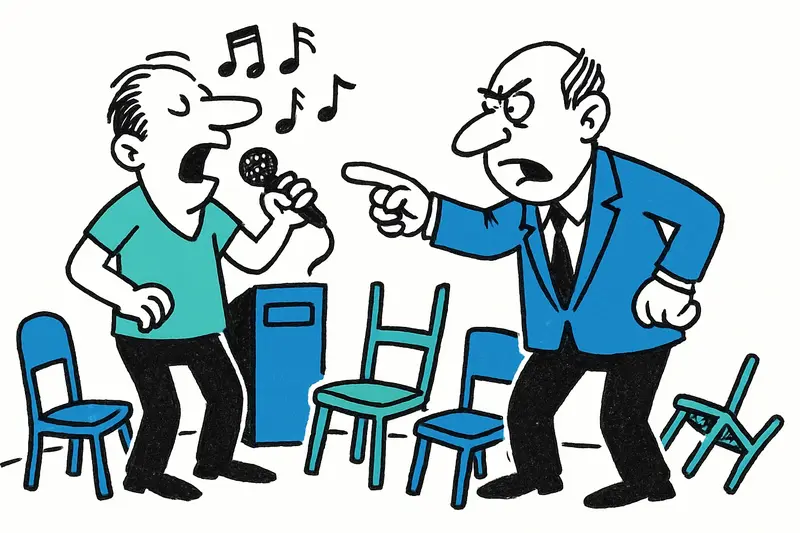
Everyday scene: On a windy evening in January, shortly after sunset, a soft blue falls over the Passeig del Born. From one or two venues muted conversation can be heard, on the plaza the usual mix of tourist chatter and neighborhood gossip prevails. Missing here is the cheerful, sometimes off-key calling of karaoke singers — Pub Indigno remains dark, chairs turned upside down. For neighbors who have reported noise for months, it is quiet; for fans of live music and late-night spots it is one more place fewer where you can sing or listen late into the night.
What is missing from the discourse: transparent timelines of administrative steps, clear technical requirements for soundproofing in existing buildings, binding deadlines for registration of ownership changes and a low-threshold mediation body. When residents file complaints, they should be told what happens next. And operators need practical guidance on how much effort and cost is required to make a small venue permanently noise-safe.
Concrete approaches: First: mandatory pre-assessments before approving new musical activities, even for small bars — with standardized measurement points and times. Second: a digital owner register with deadlines for updates so that legal remedies are not defeated by formalities. Third: a municipal mediation service to mediate between residents and operators before fines are imposed. Fourth: financial support or low-interest loans for soundproofing measures in older buildings — small operators often cannot afford renovation costs. Fifth: mobile, publicly accessible measurement stations on problem streets (e.g. Passeig Marítim, La Lonja) so that measurements are reproducible.
From a practical perspective administrative processes should be streamlined: shorter deadlines for reviewing technical evidence, clear checklists for operators and an information center that explains which permit is required for karaoke, DJ nights or live music. Such measures reduce later complaints and create legal certainty.
Possible resistance: Residents demand quiet; operators fear for their livelihood. Politics and administration are caught in the middle. But fines alone do not solve the root causes; they often act like stopgaps when the bridge underneath is already crumbling. If the city enforces clear, fair rules but does not at the same time provide a practical implementation and support structure, losers will emerge on both sides.
Punchy conclusion: The Pub Indigno case is symptomatic. It shows that Palma has rules — but the interfaces between technical standards, law, administration and everyday reality are still too bumpy. Those who want to listen to music at night or protect neighbors from noise need more than fines: clear procedures, comprehensible measurements and a way to resolve conflicts on-site constructively. Until that is achieved, Palma remains a puzzle of empty chairs, sleeping residents and frustrated operators — with loud music in between that no one really wants.
Frequently asked questions
Why do bars in Palma get fined for noise complaints?
Can a bar in Mallorca play karaoke or live music without a special permit?
How many decibels over the limit can a venue be before Palma takes action?
What happens if a bar in Palma has complaints from neighbours for months?
Why did Palma order air-conditioning units to be removed from a facade?
What should small venues in Mallorca know before opening karaoke nights?
Does Palma measure noise at the street or inside the venue?
What is the best time of year to enjoy quieter evenings in Palma?
Similar News
Near-miss on Lanzarote: Landing Ryanair Jet and Iberia Takeoff — what really went wrong
On Lanzarote there was a dangerous incident: A Ryanair flight (FR5910) from Dublin landed on runway 03 while an Iberia E...

Eurowings introduces new Premium Business seats on Mallorca routes
From December 1, selected Eurowings flights to Palma and other destinations will feature eight particularly generous sea...
Car on MA-13 near Inca in flames – a safety check for the island
A vehicle caught fire on the MA-13 towards Alcúdia on Tuesday afternoon. The driver was uninjured, the car was destroyed...

Real Estate in Mallorca: Fewer Buyers, Higher Prices — What's Behind It?
Sales on Mallorca are falling, yet prices continue to climb. Why fewer transactions do not equal relief — and what shoul...
Just Bought — Already Trouble: Water Damage in the Heiters' Villa and What Owners in Mallorca Should Know Now
A newly purchased sea-view property — and within days a water damage. What risks lurk in new properties in Mallorca, and...
More to explore
Discover more interesting content

Can Cap de Bou

Townhouse Lleo 72
