
Lujocasa ruling: Why Mallorca must finally address the causes of real estate fraud
Lujocasa ruling: Why Mallorca must finally address the causes of real estate fraud
The verdict against the head of the Lujocasa complex is severe – but is a single conviction enough to prevent future fraud cases? A reality check with concrete proposals for the island.
Lujocasa ruling: Why Mallorca must finally address the causes of real estate fraud
Key question: Is a prison sentence for the mastermind enough to change the system?
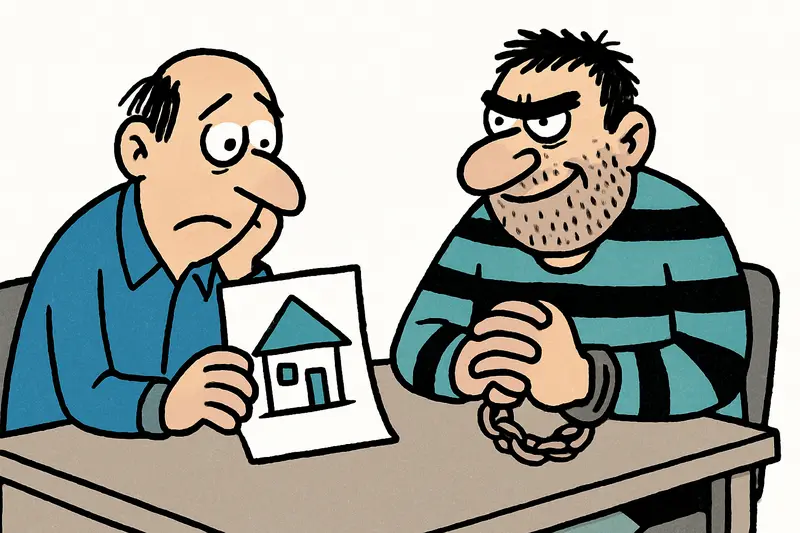
The court sentenced one man to 14 years and six months in prison. The figures in this case are clear: 235 victims, 32 marketed projects, a network of around 20 companies and total losses of roughly €3.5 million. Advance payments by the victims amounted to up to 20 percent of the purchase price, typically between €10,000 and €100,000. The convicted man fled to South America in 2018, worked there at times as a courier, was arrested in 2019 and later extradited, echoing other arrests such as Arrest in Santanyí: How vulnerable is Mallorca's real estate market to fraud?. His accomplice received nine years in prison. In addition to the custodial sentence, the ruling demands millions in damages for more than 60 affected parties.
Such facts bring relief: guilt was established, penalties imposed. But the real problem does not sit only behind a judge's bench or behind golden watches. In conversations over the last days on the Plaça de Cort, in bistros on the Passeig Mallorca and at the bar in Cala Major you hear different questions: How could so many people fall for an offer that apparently existed only on paper, as happened in Palma on Trial: The Major Real Estate Fraud and the Question of Justice? Who enabled this network of companies, accounts and marketing materials in the first place?
Critical analysis: The case reveals an interplay of market gaps, legal grey areas and human misconduct, including a Shadow Market in the Island Paradise: Occupied Houses in Mallorca Sold at Premium Prices. First: the formation of a project company without significant equity and the simultaneous marketing of many properties seem to have been insufficiently checked in local practice. Second: down payments of tens of thousands of euros apparently flowed directly out of customers' accounts instead of being protected by escrow safeguards. Third: the trail of money points to luxury consumption – casinos, watches, parties – which clearly shows the profit motive. Fourth: the international flight and subsequent extradition demonstrate that cross-border investigations worked, but only after harm had already occurred.
What is often missing from the public debate: the conversation quickly focuses on the sensational escape and the 'leader'. Less attention is paid to the role of intermediaries, the lack of control over advance payment transactions, the responsibilities of notaries and banks, and gaps in consumer protection procedures, and official frameworks such as those from the General Council of Notaries of Spain. The psychological consequences for the victims – loss of trust, wiped-out savings, health burdens – usually receive only a footnote. And: few discuss how to prevent such cases from becoming normalized so that every year new 'Lujocasa candidates' do not appear.
An everyday scene: on a rainy morning an elderly couple sits in a café at the Mercat de l'Olivar. The man nervously slides his purchase contract for shares in a property to the barista, the woman stares at the numbers and says quietly: 'If we have lost the money, we do not know how we will afford our retirement.' Outside a delivery scooter passes, a police car slowly drives along the Avingudes – small sounds that show how close such cases are to normal life.
Concrete proposals that should follow from the ruling: 1) Mandatory placement of advance payments in dedicated escrow accounts or in the form of bank-guaranteed sequestration until construction begins and official approvals are in place. 2) Minimum capital and transparency requirements for developers, including disclosure of ownership structures and financial statements in project advertising. 3) A public list of ongoing and announced construction projects with status updates from the municipality so buyers can verify progress. 4) Fast and unbureaucratic access to emergency funds or interest-free loans for victims until judicial compensation is paid. 5) Stronger cooperation by banks: due diligence for unusually large cash outflows, reporting thresholds and collaboration with financial investigators, following guidance from the Bank of Spain. 6) Information campaigns in multiple languages at markets, town halls and notaries so buyers recognize which documents and safeguards are necessary, supported by resources from the Spanish Ministry of Consumer Affairs.
These measures are not a panacea, but they shift risk systemically away from individuals. The judiciary can punish perpetrators; prevention lies with administrations, financial institutions and all of us – neighbours, estate agents and notaries who should usually spot when something is wrong.
Punchy conclusion: A long prison sentence holds the individual perpetrator to account, but it cannot heal the loss of trust or prevent future scams if structural gaps remain untouched. Mallorca now needs less media outrage and more binding rules for advance payments, clearer public registers and serious control of financial flows in the property sector. Otherwise this case will remain a cautionary tale that is likely to repeat itself in a few years.
Frequently asked questions
How can buyers in Mallorca protect themselves from real estate fraud?
Are advance payments for off-plan property safe in Mallorca?
What warning signs should you look for in a Mallorca property development?
Do banks and notaries in Mallorca have a role in preventing property fraud?
What should a victim of real estate fraud in Mallorca do first?
Why is Mallorca especially vulnerable to property fraud?
What can be done in Palma to stop property scams from happening again?
How long can a real estate fraud case take to resolve in Mallorca?
Similar News
Stolen Motorcycle in Palma: Fatal Crash in Coll d'en Rabassa Shortly After Theft
A motorcycle parked on Plaza Miquel Dolç in Son Gotleu was reportedly stolen in the early hours. Hours later two men cra...
When More Guests Mean Less: Mallorca's Restaurants at the Limit
Despite record visitor numbers, the revenues of many restaurants are shrinking. Why more visitors don't automatically me...

Ballermann 2026: Heat, crowded promenade and rising prices – how much longer?
Bright sunshine, over 35 degrees in the shade and busy venues at Playa de Palma: Tourists enjoy the parties, restaurateu...
Stolen motorcycle, high-speed escape, deadly crash: An accident in Palma that raises questions
A motorcycle stolen in Son Gotleu ended up hours later on the Cardenal-Rossell in Coll d'en Rabassa in a deadly collisio...

Found dead in Son Gotleu: Dog walk ends fatally — what is missing in the investigation?
A 68-year-old man was found dead on Sunday morning on Tomás Rullàn street in Son Gotleu. According to his partner, he ha...
More to explore
Discover more interesting content

Boat Tour with BBQ along Es Trenc Beach

Private transfer from Mallorca Airport (PMI) to Pollensa
