
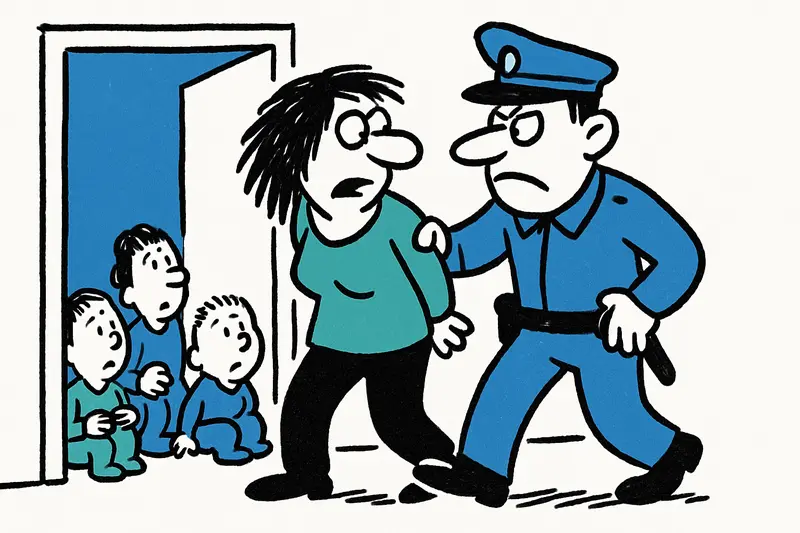
Mother arrested in Palma – Three children left alone: How could this happen, and what needs to change?
In Palma three small children were found alone in an apartment and their mother was arrested. The incident raises questions about child protection, preventive services and the role of the neighbourhood.
Mother arrested in Palma – three children left alone: How could this happen?
It was late on Thursday evening, the streetlights in the neighbourhood cast yellow light on the wet cobblestones, and somewhere nearby the last taxis were still honking. In the stairwell of an apartment building the quiet was broken: sirens, voices, the rustle of jackets. Neighbours peered through their shutters as the Policia Local arrived – and found three small children who had apparently been alone for an extended period. The mother was arrested. The central question remains: how does it happen that young children are left unattended in a city like Palma?
What the record conveys – and what is missing
According to the report, the father discovered the situation via camera images from the apartment and alerted a neighbour, who called the emergency services. The children – estimated to be about one, four and six years old – were medically examined by the police and showed no serious injuries, but did display exhaustion and fear. The swift police response was correct and important. Yet the incident reveals gaps that are often overlooked in public debate. For another case that raised questions about responsibility and prevention in Mallorca, see Baby disappears from bar – happy ending, but many questions for Mallorca.
First: prevention. People often focus on the moment – the arrest, the judicial review, possible criminal consequences. Much less is discussed about how families in stressful situations can be reached earlier: who speaks up when there are repeated nightly cries? When do social services intervene more decisively? Neighbours reported constant disputes in the family; such indications need to be evaluated systematically and more quickly, not only after a camera recording provides the decisive trigger. Local debates about prevention were also sparked by Juveniles arrested: Palma car-theft series raises questions about prevention, which highlighted gaps in early intervention and community response.
Second: digital surveillance versus real support. The fact that the father reacted via camera shows the modern side of the problem: technology can alert, but it does not replace human help. Parents in need require not only monitoring, but concrete relief – from short-term daycare to outreach social work.
What neighbours and authorities could do better
In Palma, where neighbours often live close together and the sounds of the city (construction work, loud music, market noise) shape daily life, the eyes and ears in apartment buildings are more important than one might think. But observing is only the first step. Concretely we propose:
- Improved cooperation between police and social services: Not only short-term safeguarding, but a binding, low-threshold follow-up offer for affected families after interventions.
- Low-threshold crisis places: Day carers, emergency groups or short-term childcare places that relieve parents for a few hours or days before escalation occurs.
- Systematic evaluation of noise or conflict reports: Recurring neighbour reports should be digitally recorded and assessed so that social services can act when patterns emerge.
- Education and encouragement for the neighbourhood: Many people hesitate to get involved. Information campaigns in residential areas – for example leaflets in stairwells, information evenings in community centres – could lower thresholds and point to contact points (in acute danger: emergency number 112).
System failure or isolated incident?
Investigations are ongoing: the public prosecutor's office and the youth welfare office have been informed, and the father is cooperating. It may be a tragic isolated case – or a small cog in the larger machinery of social overload. According to neighbours, there had been disputes and unrest in the months before; whether that would have warranted reports or interventions is now being examined by the authorities. Not every noisy night is a warning sign, but every pattern should be taken seriously. Similar public concern followed other recent incidents, for example Palma on edge: Seven arrests after daytime burglary spree – what now?, which also prompted questions about prevention and community safety.
For the children, the most important thing for now is safety and stability. For the city there is another task: to learn from such incidents so that it does not happen again. That means not only more staff for youth welfare offices, but also low-threshold services, better networking at district level and a neighbourhood that knows how to organise help instead of only judging.
The nocturnal scene remains in the mind: light behind closed shutters, the soft breaths of a sleeping child, the distant footsteps of the police. Mallorca is an island of close proximity – and exactly this closeness can in future help to protect children more effectively. And yes: one call too many is better than a cry that comes too late.
Frequently asked questions
What should I do in Mallorca if I think a child is being left alone or neglected?
How can parents in Mallorca get help before family stress turns into a crisis?
Is it legal in Spain to leave young children alone at home?
What signs should neighbours in Palma take seriously when they worry about a child?
What happens after police find children alone in a home in Palma?
Why do neighbour reports matter so much in Mallorca family cases?
What support is available in Mallorca for parents who need temporary childcare?
How can Palma residents report a child welfare concern without making it worse?
Similar News

Caro Robens: 15 kilograms lighter — and again in the crossfire of online comments
Bodybuilder Caro Robens, who lives in Mallorca, has lost 15 kilograms. Her success on Instagram was met with applause — ...

Meager Industry in Mallorca: How the Island Can Be More Than Just Tourism
The industrial sector in Mallorca is shrinking, productivity is falling and firms remain tiny. The key question: can the...
Pre-Nit de l'Art: Galerie Mensing invites to a special evening with Tom Boston
Before the big art night, Galerie Mensing opens its doors: pop art, champagne, a DJ and a hand-signed print by Tom Bosto...

Sea view and more seats: Cappuccino Grand Café reopens in Port d'Andratx
After a long renovation, the Cappuccino Grand Café on the Port d'Andratx harbor promenade has quietly reopened. Larger t...

Enric Mas wins the Vuelta – a triumph that resonates in Mallorca
Mallorcan Enric Mas has won the 82nd Vuelta — the first Spanish overall victory since 2014. Cyclists and neighbors on Ma...
More to explore
Discover more interesting content

Can Cap de Bou

Townhouse Lleo 72
