
170 Meters Above the Abyss: When Social-Media Stunts Put the Tramuntana at Risk
170 Meters Above the Abyss: When Social-Media Stunts Put the Tramuntana at Risk
A highline at the Agulla des Frare has sparked debate. Who protects Mallorca's protected slopes from imitators — and from human recklessness?
170 Meters Above the Abyss: When Social-Media Stunts Put the Tramuntana at Risk
Key question: How much room should spectacular sports footage have in a protected area before nature becomes mere scenery and collateral damage?
The Scene
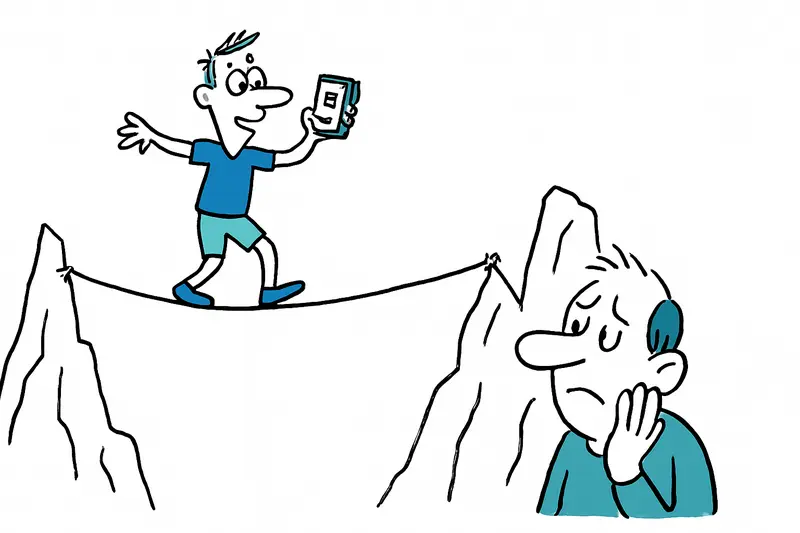
On a clear morning on the MA-10, somewhere between Puig Major and the small mountain villages, the wind drives the scent of pine needles and wet rock down the valley. Hikers tighten their boots, a shepherd dog barks, cars slowly climb the hairpin bends. And somewhere on the Agulla des Frare — a narrow rock needle at about 1,200 metres — a slackline was stretched, a highline: a balance act at great height, photographed and posted online. Similar risky behaviour has been documented elsewhere on the island, for example in When Dares Turn Deadly: Examining Cliff Jumps on Mallorca's East Coast.
Critical Analysis
The incident is not mere entertainment. The Agulla des Frare lies in an area for which the Natural Area Planning Plan (PORN) provides special protection rules. Such areas host sensitive habitats: nesting sites, rare plants, refuges for wildlife. When people climb there, rig equipment or set up a highline without permission, direct damage can occur — trampling of vegetation, disturbance during the breeding season, improper anchors in the rock. What we see online is often only the glamorous result; the preparatory work, the traces and the possible consequences remain invisible.
What Is Missing in the Public Debate
The debate often revolves around morality and sensationalism: "That must not be!" That is correct, but insufficient. Too rarely do we talk about implementation questions: How can one tell whether a video comes from a protected area? Who evaluates violations? What tools does the administration have when someone posts a photo but no traces are visible on site? And: How do authorities reach the sports and content communities that plan these actions? Authorities face similar outreach and enforcement challenges during large events like Night Pilgrimage to Lluc: Tradition, Traffic and the Exposed Problems.
Everyday Life on Mallorca
On Palma's Passeig Mallorca an older couple sits and watches the streams of tourists. Conversations about the Tramuntana are part of everyday life: "We used to enjoy the mountains in peace," one says, "today every rock becomes a set." This shows: it is not only about ecology, but also about local identity. Residents feel it when their landscape becomes a backdrop for clicks — whether on beaches, in coves or on steep summit shapes. High-profile events like Mallorca by UTMB: When the Tramuntana Sets the Pace — Who Pays the Price? also turn landscapes into stages.
Concrete Solutions
- Create a specialised unit: The demand for a small digital trace-and-investigation team within the environmental authority is sensible. Staff could review tips from social media, check coordinates and document violations.
- Permit and information obligations: A clear, publicly accessible catalogue of which activities are allowed in which zones helps athletes and groups avoid mistakes. Permits should be issued quickly, transparently and digitally.
- Prevention work on site and online: Cooperation with climbing and extreme sports associations, influencers and platforms. Content creators should find easily accessible information on rules and protection periods — especially during raptor breeding seasons.
- Sanctions and recourse: Violations must be punishable in a verifiable way. Costs for mountain rescue or restoration should be charged to those responsible when fault can be proven. Questions of rescue capacity and operational readiness arise elsewhere too, as discussed in Mallorca Prepares for Snow: Is the Tramuntana Ready for Winter Operations?.
- Mark sensitive zones: Clearly visible notices at access points, maps in apps and information boards at car parks can prevent many incidents.
Conclusion
The Tramuntana is not a film set. A single spectacular image can attract imitators and leave damage that remains visible for months or years. Those who use the mountains — whether athletes, photographers or tourists — bear responsibility. Public debate must move beyond outrage alone and towards practical structures: clear rules, digital monitoring, prevention and, where necessary, consistent enforcement. Only then will the Serra de Tramuntana remain a place to experience, not to exploit.
Frequently asked questions
What risks do social-media stunts pose to Mallorca’s protected areas like the Tramuntana?
How can authorities prevent and respond to online posts showing risky stunts in Mallorca?
What practical steps can visitors take to avoid harming Mallorca's Tramuntana when taking photos?
Why is it important to balance sensational online content with protecting Mallorca’s landscapes?
What role does the MA-10 route near Puig Major play in Mallorca’s landscape protection?
What makes Agulla des Frare a sensitive site in Mallorca’s Tramuntana?
How should climbers and photographers obtain permissions in Mallorca’s protected areas?
What steps can Mallorca authorities take to mark sensitive zones for hikers and content creators?
Similar News
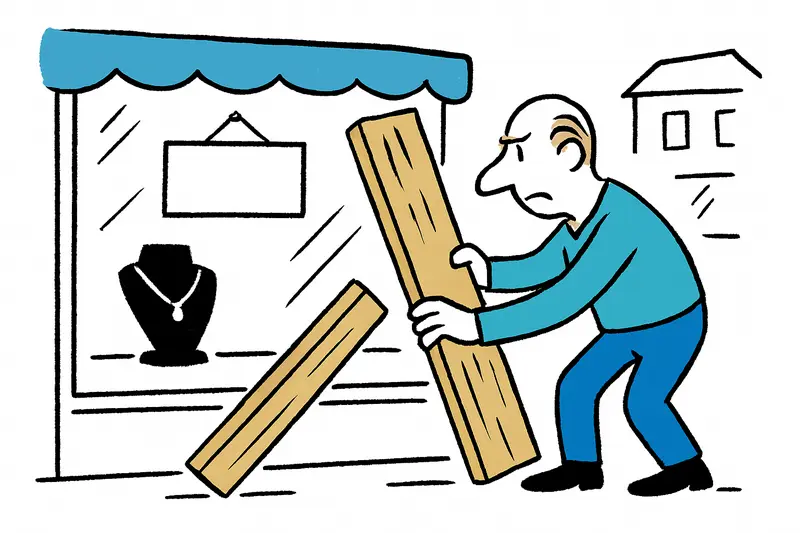
Wood before the windows: Why Palma's shopkeepers are now on alert
Business owners in Palma are boarding up shop windows and considering early closing. Key question: Is that enough, or is...

Iris Berben opens anniversary festival: Cinema as a meeting place in Palma
For the 15th time the film scene meets in Palma: At the gala in the Congress Palace Iris Berben and cinematographer Matt...
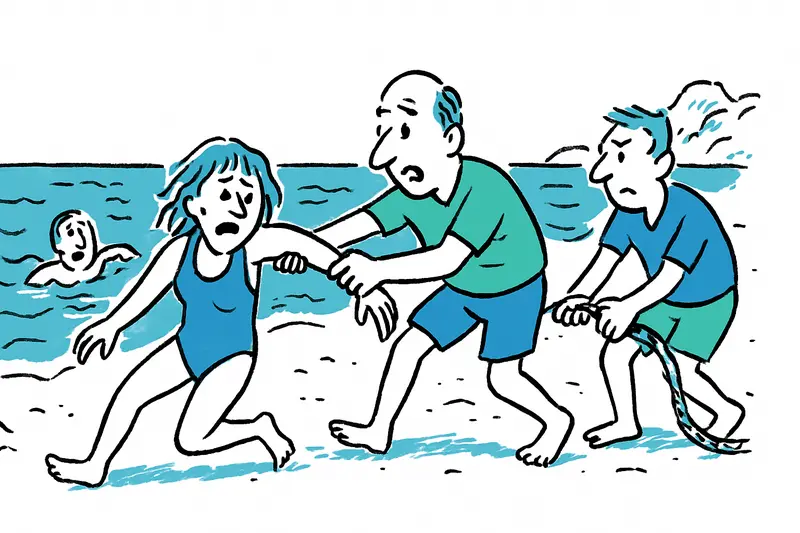
Last day of holiday: 69-year-old dies during rescue attempt on Menorca's north coast
A British holidaymaker drowned at Cavalleria while trying to pull her ten-year-old granddaughter out of the sea. The inc...
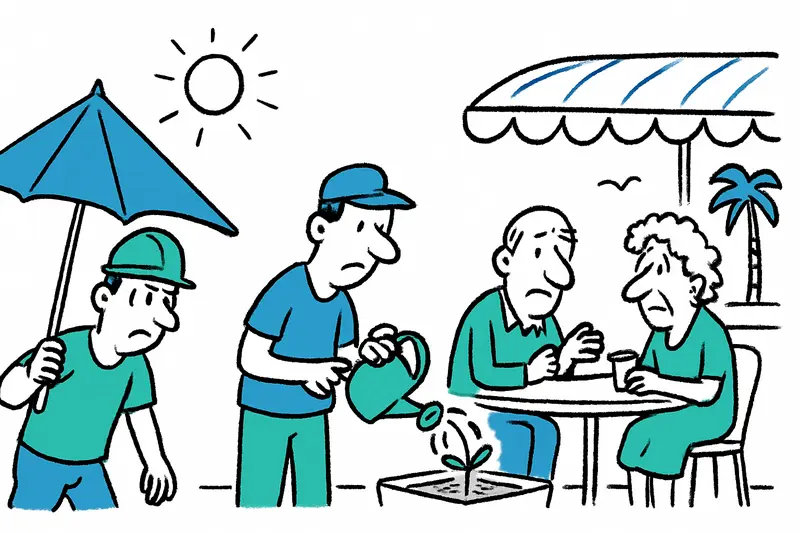
Water scarcity, heat, shrinking beaches: Palma's wake-up call for urban planning
A new study sketches bleak scenarios for Palma: less rainfall, more hot days, rising sea levels and massive economic los...
Assault in Ciutadella: When a Restaurant Bill Turns Into Violence — What's Missing Now
Two British tourists are alleged to have seriously injured a waiter in Ciutadella. Passports confiscated, travel banned....
More to explore
Discover more interesting content

Can Cap de Bou

Townhouse Lleo 72
