
Magaluf: Hand at the Toilet – Fist and Doubt in the Night
Magaluf: Hand at the Toilet – Fist and Doubt in the Night
An incident in a bar in Magaluf raises more than just questions for those involved: How safe are women in party-zone toilets, and what rules apply when companions resort to taking matters into their own hands?
Magaluf: Hand at the Toilet – Fist and Doubt in the Night
Key question: How do we deal with boundary violations in tourist centers on Mallorca – and when does protection turn into vigilantism?
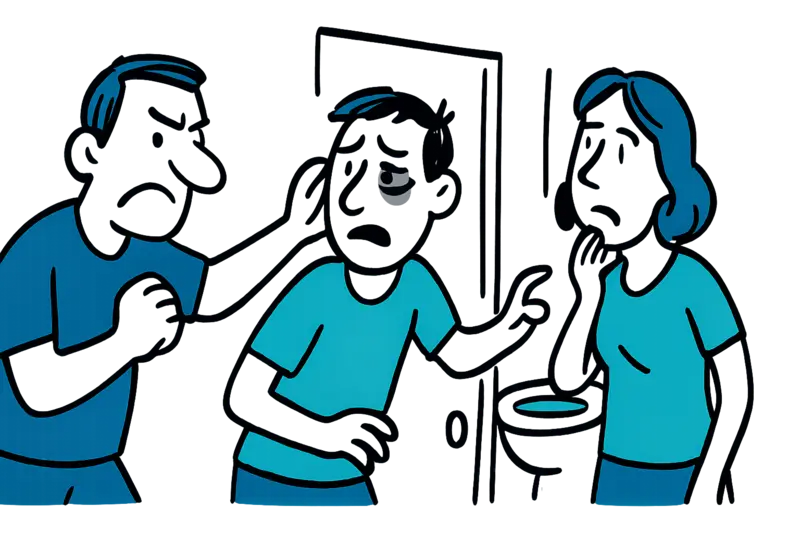
In the early hours of Sunday morning there was a physical incident in a bar in Magaluf: according to those involved, a 30-year-old Scottish woman was harassed inside a toilet cubicle. Her companion intervened; another man suffered such serious facial injuries that he had to be taken to hospital and had stitches to the lower right eyelid. The accused man was brought before a court by the Guardia Civil; the wounds remain, but he denies having touched the woman. Investigations by the Calvià judicial police are ongoing; an arrest and later release are on file. Similar rapid responses have been reported elsewhere in the resort, for example Magaluf: Escalation at the Bus Stop — What the Incident Reveals About Safety and Civil Courage.
The facts are sparse and contradictory: there is an injured person, a complaint and at least two versions of what allegedly happened in a small closed cubicle. Such situations are particularly difficult: cramped spaces, darkness, alcohol – all of that blurs perception and makes reliable reconstructions difficult.
Critical analysis
First: who the eyewitnesses are often remains unclear. By definition toilets are shielded; independent observers are missing. Second: the pattern of traces and medical findings is decisive but are rarely detailed in reports. Third: the rapid escalation to physical violence, as happened here, raises questions about proportionality – both from the perspective of the alleged perpetrator and of the defending partner.
Police measures in such cases must pursue two goals: protection for possible victims and clarification according to the rule of law. In the short term, practice often prioritizes medical care and determining facts. In the long term, however, there is often a lack of debate about prevention in the island's hotspots: neither operators nor municipal politics have a uniform concept for better protecting sensitive areas – and thereby women, as highlighted in Magaluf after the beach discovery: When partying becomes a danger zone.
What is missing in public discourse
The public quickly argues about perpetrator and victim, but rarely about the framework conditions: what role do bars' security teams play? Is there a functioning reporting chain when something happens in the toilets? How well are doctors and health centers prepared for such assessments? And last but not least: what language barriers arise when those involved come from abroad?
Also rarely addressed is the burden on the investigators on site. Calvià is a constant hotspot in summer, Magaluf a focal point. The Guardia Civil works routinely, but stress and resources are limited. This affects the depth of investigations and the support for those affected.
Everyday scene from Magaluf
Imagine the Avinguda de Magaluf on a Saturday night: music thumping from clubs, the smell of fries and sunscreen by the curb, taxis stopping, young people laughing loudly and showing their smartphones. Between the lights a patrol occasionally passes, security staff stand in front of venues. When a situation in a toilet cubicle escalates, nobody looks. Later you hear the siren, someone is led away, a few hours later the street is full again – the memory remains with those who lived the night.
Concrete solutions
1) Tighten operator duties: clear rules for staff in night venues, mandatory training in de-escalation and intervention and regular inspections by the municipality of Calvià.
2) Visibility and infrastructure: better lighting in bar areas, secure access mechanisms to toilets (e.g. separate cubicles with check points for staff) and strategically placed, privacy-compliant cameras in public vestibules, not in cubicles, but visibility alone does not always protect, as discussed in Assault at Palma Station: Why Visibility Alone Doesn't Protect.
3) Multilingual reporting channels: simple, multilingual information boards and QR codes that show how to report incidents; interfaces with hotels and tourism companies so victims receive prompt help, as shown in Spa incident in Magaluf: Who protects guests in hotel wellness areas?.
4) Strengthen medico-legal procedures: established protocols for evidence preservation in health centers from Santa Ponça to Palma so injuries and possible assaults are documented early.
5) Prevention campaigns: city authorities and operators should launch visible campaigns addressing boundary violations – in English and other relevant languages – and make clear which steps victims can take.
Pithy conclusion
The case in Magaluf is more than an affront by individual holidaymakers. It reveals a pattern: spaces where people are vulnerable meet a night economy that reacts quickly – but not always thoughtfully. We need fewer outraged headlines and more reliable procedures: safe places, clearer responsibilities, and a culture that encourages witnesses to intervene without promoting vigilantism. Otherwise, after the siren only the question remains: who ensures that law and protection do not take a break at night?
Frequently asked questions
What is the best time to visit Mallorca for enjoying the beaches and outdoor activities?
What should I pack for a Mallorca trip to stay comfortable?
Are Mallorca beaches safe for swimming, and how can I assess coastal conditions?
What’s the best way to get around Mallorca without a car?
Which natural spots in Mallorca offer the best views and easier trails?
What weather can I expect in Mallorca across the year?
Are there good day-trip options from Palma to nearby towns?
Is Mallorca good for families with kids, and what activities work well?
Similar News
Dana 'Adam': Why the Spanish mainland was hit harder — and what Mallorca must learn
Four dead, flooded towns and locked-down municipalities: Why did Dana 'Adam' cause more damage on the mainland than in M...
Pollution in Nou Llevant: When the Bus Stop Becomes an Island of Concern
Residents of Calle Caracas complain about rubbish, improvised furniture and nightly encampments at an EMT bus stop near ...

Germania Mallorca sweeps Son Sardina 6-0 off the pitch – Legat praises the squad, concerns remain
In a loud home match, Thorsten Legat's FC Germania Mallorca wins 6:0 against AD Son Sardina. Three goals from a substitu...
Discovery in Es Carnatge: A Dead Body in the Bush — Many Questions, Few Answers
On Sunday afternoon a body was discovered in the bushes near the dog beach at Es Carnatge. Local and national police and...
Early Morning in Son Fusteret: Four Women Hit by Car at Bus Stop – Alcohol Suspected
A 25-year-old driver mounted the pavement near Son Fusteret and injured four women, one seriously. Police arrested the d...
More to explore
Discover more interesting content

Can Cap de Bou

Townhouse Lleo 72
