
Discovery in Es Carnatge: A Dead Body in the Bush — Many Questions, Few Answers
Discovery in Es Carnatge: A Dead Body in the Bush — Many Questions, Few Answers
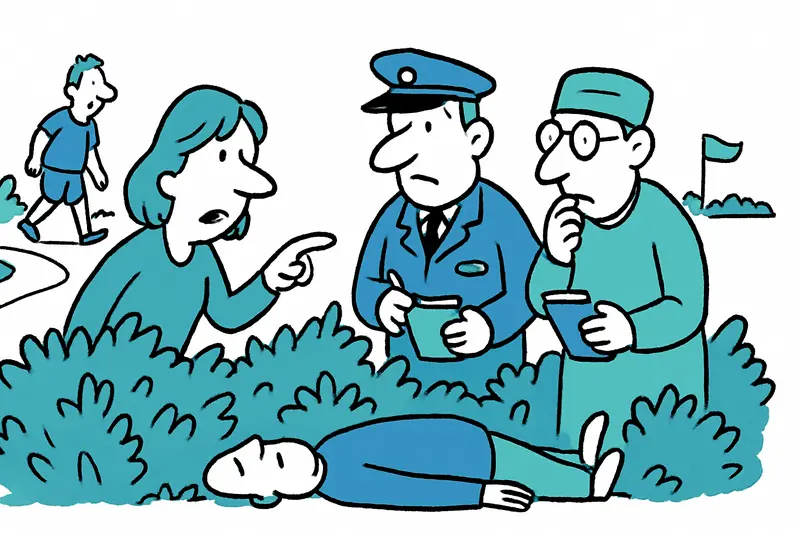
On Sunday afternoon a body was discovered in the bushes near the dog beach at Es Carnatge. Local and national police and a forensic expert were on site. What is missing from the public debate — and what should happen now?
Discovery in Es Carnatge: A Dead Body in the Bush — Many Questions, Few Answers
Main question: How safe are our coastal paths really, if on a busy Sunday midday a dead person can lie unnoticed in the bushes?
On Sunday afternoon, at around 1:30 pm, a woman discovered a lifeless body in the bushes near the playground inland from Es Carnatge beach, as reported in Decomposed male body found at Es Carnatge dog beach. Because she did not have a mobile phone with her, she asked a passerby to alert the emergency services. After the local patrol arrived, the municipal police confirmed the death; the national police then took over the investigation, as detailed in Body in Es Carnatge: Investigations After Discovery on the Shore, and a forensic expert was also present at the scene. The location lies in the area between Coll d'en Rabassa and Can Pastilla, a section used by many dog owners and walkers.
The basic sequence is clear, the details are not. That is unsettling and breeds mistrust: Who was the person? Was it an accident, a medical problem, or something criminal? The authorities carry out the forensic work, but the public remains in the dark — at least at the beginning that is normal. Still, there is room for questions that often get overlooked in practice.
Critical analysis
First: visibility and accessibility of the paths. The network of trails behind Es Carnatge is popular, but it also offers secluded areas and hiding places in dense undergrowth. A person in need of help can easily be missed here. Second: options for reporting. That the finder had no phone and had to rely on a stranger is not an isolated case; not everyone carries their phone at all times. Third: coordination of response and information policy. Municipal police, national police and forensics worked on site — that is standard. What is often missing, however, is quick and clear information for local residents about the security situation and potential hazards, without jeopardizing investigations.
On a local level, aircraft noise from the nearby flight corridor, the smell of the sea and the activity of dogs create a daily familiarity with the place. It is precisely this familiarity that makes it easier to overlook foreign or unusual situations: a body among the reeds, a person who does not respond. Routine acts like a filter.
What is missing from the public debate
Reports often focus only on the event itself — less on the structural issues that make such discoveries possible. Similar incidents have been reported elsewhere, including Dead Body at Es Trenc: Third Corpse Found Within a Week and Two bodies on the coast: Investigations in Ciutadella and off Alcúdia – Many questions remain. Three aspects are rarely discussed: maintenance of the shoreline (overgrown bushes, hidden footpaths), the presence of emergency services on popular walking routes outside peak season, and the provision of clear emergency information points. Also rarely discussed is how municipalities and response agencies could use anonymized information for risk communication without compromising investigations.
Everyday scene on Mallorca
Imagine Es Carnatge on a mild autumn Sunday: dogs run free, leashes rattle, a flag flutters on the beach, aircraft engines are audible in the distance, children play in the sand. People jog, retirees stroll, tourists photograph the sea. In this familiar mix, a dead body falls out of the picture — and that is precisely why it can be noticed late. The feeling that everything here is safe is real, but deceptive.
Concrete solutions
1) Increase visibility: Regular trimming of bushes along footpaths reduces hiding places. The ayuntamiento should plan maintenance cycles transparently.
2) Improve reporting options: Install emergency boards at central points (car parks, playgrounds, beach access) with clearly visible phone numbers, location QR codes and instructions for people without a smartphone.
3) Expand presence: Short foot patrols by the municipal police, occasional checks on weekends and at peak times, and coordinated patrols with the national police could secure rapid initial responses.
4) Maintain communication: Authorities could publish standardized, anonymized situation reports — e.g. “Person found dead in bushes; investigations ongoing” — to dampen speculation without revealing details.
5) Involve civil society: Neighborhood groups, dog owner associations and volunteers can help with sighting reports and point out problem areas. The line against vigilantism must, however, be respected.
Punchy conclusion
The find at Es Carnatge is more than a tragic individual fate: it reveals weaknesses we could address practically and without great debate. Better maintained paths, clear reporting structures and slightly more presence would reduce the likelihood that people remain unnoticed in popular coastal areas. Such measures cost money and organization, but they strengthen the sense that on this island we share not only the sun but also safety.
Frequently asked questions
How safe are Mallorca’s coastal walking paths like Es Carnatge?
What maintenance improvements could make Mallorca’s walking routes safer?
What reporting options exist on Mallorca’s coastal paths if you don’t have a phone?
How do authorities coordinate when a death is discovered on Mallorca’s beaches?
Why is timely public information about safety important in places like Es Carnatge?
What role could local communities play in keeping Mallorca’s coast safer?
What changes could help ensure quick responses on Mallorca’s popular walking routes outside peak season?
What would a practical safety plan look like for Es Carnatge?
Similar News
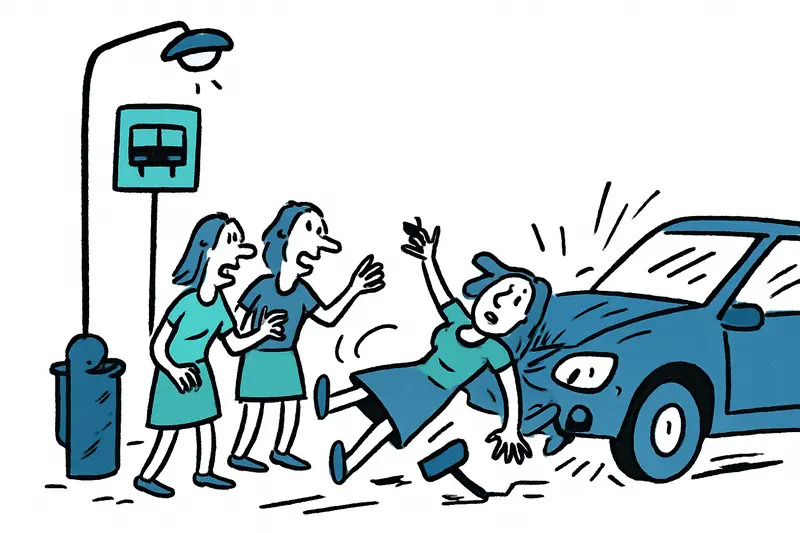
Early Morning in Son Fusteret: Four Women Hit by Car at Bus Stop – Alcohol Suspected
A 25-year-old driver mounted the pavement near Son Fusteret and injured four women, one seriously. Police arrested the d...

Playa de Palma: Arrest after alleged rape and distribution of a video
In a nightclub at Playa de Palma, a German tourist is alleged to have sexually assaulted a young woman and filmed and se...
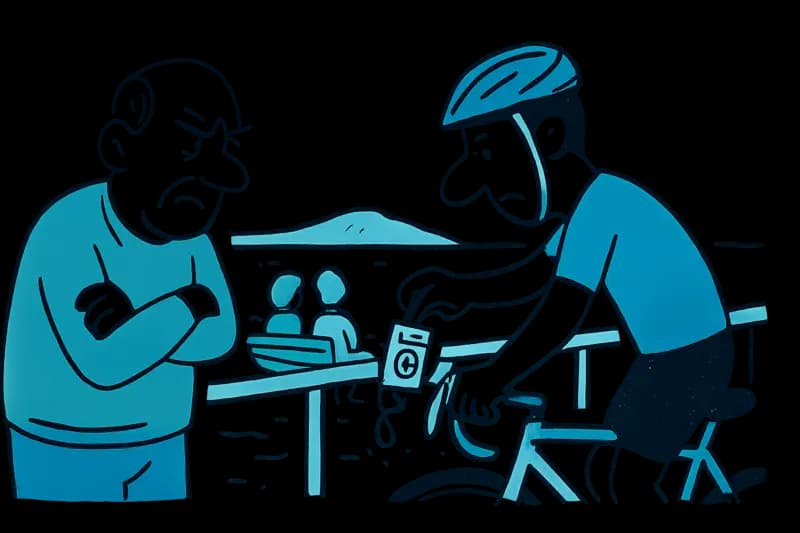
Residents outraged: plastic 'memories' at the Mirador — who protects the Formentor view?
At the Mirador de la Creueta, packaging and wet wipes are increasingly hanging from the railing. Who turns these into 'm...

Just before landing: Brawl on Ryanair plane — What does it say about flight safety?
A dispute over the toilet escalated on a flight to Ibiza. Question: Are rule enforcement and de-escalation on board stil...
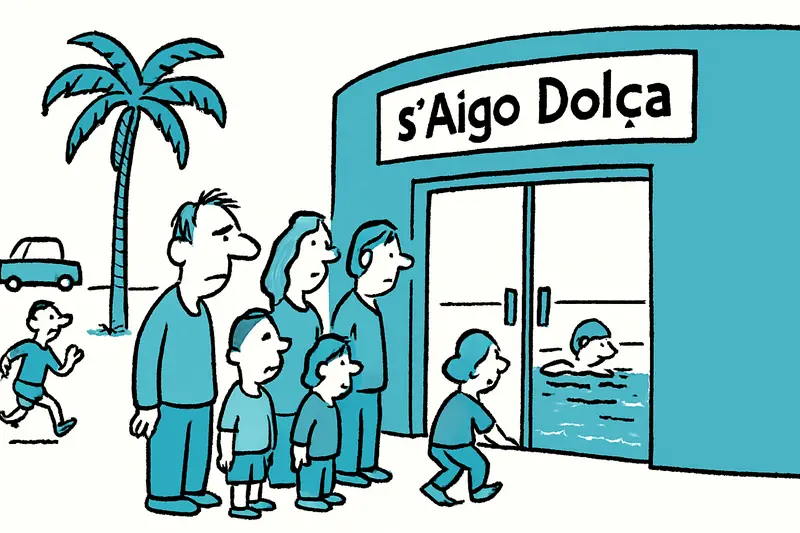
Open in the afternoons: New indoor pool "s'Aigo Dolça" brings life back to the Passeig Marítim
A new public indoor pool opened on the Passeig Marítim. 's'Aigo Dolça' offers two 6-lane pools, fitness rooms and aftern...
More to explore
Discover more interesting content

Can Cap de Bou

Townhouse Lleo 72
