
Two bodies on the coast: Investigations in Ciutadella and off Alcúdia – Many questions remain
Two bodies were recovered within a day at two different coastal locations of the Balearic Islands. The Guardia Civil is investigating and a possible link to a missing boat is being checked. What the island community needs to know now and which gaps the cases reveal.
Two bodies on the Balearic coast: investigations underway — and questions remain
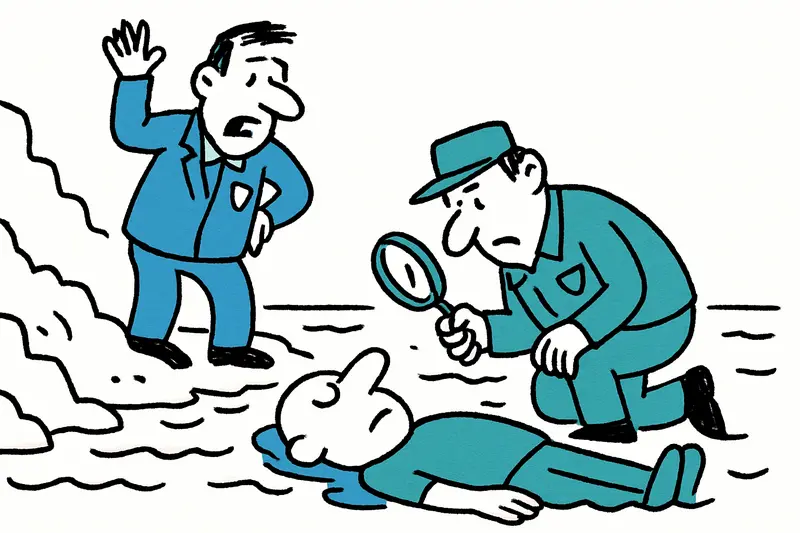
Yesterday a heavy silence fell over two islands of the Balearics: in a small cove near Ciutadella (Menorca) and off the coast of Alcúdia (Mallorca) two bodies were recovered, as reported in Two Dead on Balearic Coasts: When the Sea Withholds Answers. The discovery sites could hardly seem more different — rocky surf versus shallow coastal waters — and yet the cases are linked by the same uncertainty. The bodies were in an advanced state of decomposition; identity and origin remain unclear.
How the discoveries came about
The first find was reported at around 8:20 a.m. by a professional fisherman who was fishing in the cove near Punta Nati. He heard the usual clacking of boat engines, the calls of seagulls, and then discovered the lifeless body on a rocky spot — washed ashore, already stiff, marked by marine scavengers. Later in the afternoon, the owner of a motorboat noticed another body floating off Alcúdia, not far from the shore. In both cases the finders alerted the emergency services.
The Guardia Civil has taken over the investigations in both cases. Divers, forensic teams and investigators were on site. For residents who stood at the harbor watching the setting sun, it smelled of salt, fuel and a strange sense of misfortune — the ferries kept rumbling on, life continued, while police officers and forensic specialists worked.
Unanswered questions and possible connections
Officially, investigators are not ruling out a connection to the missing-persons report of a refugee boat with about 13 people that supposedly departed from Algeria. DNA comparisons, fingerprint analyses and matching of personal items are still pending. Forensic practice on the islands is routine, but the time elapsed and the condition of the bodies make quick clarity difficult: decomposition hampers identification, fingerprints fade, and clothing is often no longer informative.
Less discussed so far is how quickly different authorities cooperate — who records missing-person reports from North Africa? How are comparisons with lists of relatives carried out? Are there standardized ways to transmit photos, DNA or leads within the islands and abroad? These are not theoretical questions: they determine whether a family somewhere in North Africa finally gets certainty or continues to live in ignorance.
The island perspective: everyday life meets tragedy
On the streets of Ciutadella yesterday one could hear the clatter of boxes in a fish shop, children hurrying to school, and now and then the distant beep of a police car. In Alcúdia, holidaymakers walked along the seafront in the afternoon unaware. These contrasts — everyday life, tourism, police forensics — shape such days and show how much island society swings between normality and emergency.
What should happen now — concrete steps
Authorities are already working: autopsies have been ordered, personal belongings are being secured, and the Guardia Civil is asking for tips from captains, fishers and beachgoers. In addition, structural measures would be helpful:
1. Better coordination on missing-person reports: A unified reporting mechanism in the Balearics that shares data faster nationally and internationally (including DNA samples) would speed up identifications.
2. A local network of fishers and boat owners: The people who are on the water every day often see things first. A low-threshold reporting system — for example a WhatsApp group with clear report templates and a fixed phone number at the Guardia Civil — could shorten rescue chains.
3. Stronger forensic equipment and inter-island cooperation: Rapid DNA analysis, standardized protocols for decomposed bodies and regular joint exercises between Menorca, Mallorca and the Guardia Civil would help process cases more efficiently.
4. Information for departure communities: Preventive cooperation with NGOs and authorities in departure regions could improve clarification and support — not as a universal solution, but as a building block to reduce suffering.
What residents should know now
Investigators are asking witnesses to come forward — especially boat operators, fishers, beachgoers or residents who noticed anything unusual last week. Anyone who has seen something should not hesitate: every tip can help recover names and stories. Relatives who have information about missing persons can contact the local authorities.
In the end the sad certainty remains: two people are dead, their names and backgrounds still in the dark. The coming days will show whether the trail leads north, south or somewhere else entirely. For island residents, the sea is not only a backdrop but sometimes a sad reminder of how fragile human life paths can be.
Frequently asked questions
What happened off the coast of Alcúdia in Mallorca?
Why does it take so long to identify a body found at sea in Mallorca?
Could the body found near Alcúdia be linked to a missing migrant boat?
What should residents do if they saw something unusual near the coast of Mallorca?
What happened near Punta Nati in Ciutadella?
Who is investigating the bodies found in Ciutadella and Alcúdia?
Are bodies found in the sea around Mallorca often hard to identify?
What can families do if they think a missing relative may be one of the bodies found in Mallorca or Menorca?
Similar News

Maribel: Five Decades of Service – Housekeeper from Peguera Celebrated with a Special Honor
Over 50 years in the hotel business: María Isabel “Maribel” Molinos was honored in Palma at the Nit del Turisme by Unive...
Orange Alert over Parts of Mallorca: Are We Prepared?
Dark clouds and an announced wet spell have triggered an Orange alert in parts of Mallorca. A reality check: what's miss...

Sundair & Co.: Sale speculation and what it could mean for Mallorca
Rumors about a possible sale of the airlines Sundair and Fly Air 41, which belong to Schauinsland-Reisen — and whether b...
Anne Wünsche in Mallorca: A job offer with a catch — who fits the role of personal assistant?
Influencer Anne Wünsche has left Berlin and is urgently looking for a full-time personal assistant in Mallorca. Why the ...

Daily from New York: Palma Between Boom and Strain
United will increase the Newark–Palma route to daily flights in 2027 using Boeing aircraft (231 seats). What does the in...
More to explore
Discover more interesting content

Can Cap de Bou

Townhouse Lleo 72
