
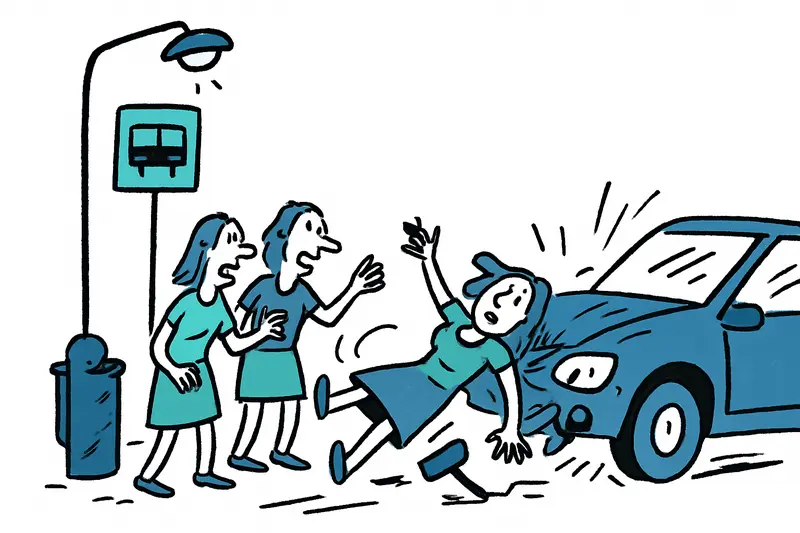
Early Morning in Son Fusteret: Four Women Hit by Car at Bus Stop – Alcohol Suspected
Early Morning in Son Fusteret: Four Women Hit by Car at Bus Stop – Alcohol Suspected
A 25-year-old driver mounted the pavement near Son Fusteret and injured four women, one seriously. Police arrested the driver after a positive alcohol test. What is missing in the response from the city and the public?
Early Morning in Son Fusteret: Four Women Hit by Car at Bus Stop – Alcohol Suspected
At around 6:45 a.m., a car near the Son Fusteret festival area in Palma mounted the pavement and struck four women who were waiting at a bus stop. One woman was seriously injured and taken to hospital; three others were also treated in clinics. Local police registered a positive alcohol test for the 25-year-old driver and took him into custody on suspicion of gross negligence and traffic violations. In addition to people, a fire hydrant, a trash bin and a streetlight were caught under the vehicle.
Key question
How can an island city like Palma prevent such scenes when alcohol, late-night traffic flows and urban infrastructure collide?
Critical analysis
The accident combines several known risk factors: a young driver, alcohol influence, a public stop in a busy area and the early morning hours when people are still returning from nightlife or heading to work. This pattern has recurred elsewhere in Mallorca, as in Nighttime Accident in Sóller: Alcohol, No Driver's License — How the Situation Escalated. That a car can end up on the sidewalk like this shows that the protective area of a bus stop is often theoretical rather than physical. The issue of inadequate protection is illustrated by Seriously injured on Palma's Paseo Marítimo: An accident, many questions. Bollards, raised curbs or lane narrowing can save lives, yet are missing in many places. There is also the question of prevention: spot checks are necessary but insufficient on their own if infrastructure and options for safe returns home are lacking.
What is missing in public discourse
Discussions after such incidents are dominated by emotions and calls for punishment. Important aspects often remain overlooked: Are there reliable night bus lines or taxi ranks after events end? Similar concerns were raised following Nighttime accident on the Paseo Marítimo: alcohol, a tripping hazard and many questions. Are event-specific traffic concepts proactively implemented, especially for places like Son Fusteret? How well lit are bus stops, and how quickly do emergency services respond in the early hours? Few people talk about structural protective measures at inner-city bus stops – as if sidewalks were inherently safe.
An everyday scene from Palma
Imagine the street: still dim, vans humming, bakeries on Passeig Mallorca preparing croissants. At the stop the last revellers linger, a streetlight flickers, a dog barks somewhere. Then the shock: an impact, shards, screams. Passersby run out of cafés, neighbors fetch blankets, the smell of petrol mixes with the morning mist. The picture is typical of Palma on a post-party night – and shows how quickly routine can turn into tragedy.
Concrete solutions
1) Structural protection: At heavily used stops fixed bollards, raised curbs or small safety islands can prevent a vehicle from reaching waiting passengers directly. 2) Event traffic management: Organizers and the city should be required to present traffic and safety plans that also provide safe pick-up zones for taxis and shuttle buses. 3) Strengthen night services: Expanded night transport with fixed schedules reduces the need for people to drive under the influence. 4) Strategic checks: Alcohol controls at hotspots and peak times are important but should be combined with preventive measures. 5) Public awareness: Outreach in the languages spoken locally, plus visible signs in nightlife areas, can influence behavior. 6) Rapid medical care: Clear routines for emergency access routes and prioritizing hospitals with emergency capacity secure survival chances.
Legal and social perspective
The arrest on suspicion of gross negligence signals that the judiciary recognises the seriousness of such incidents. But criminal consequences always come after the fact; similar legal complexities appeared in Palma: Accident involving a drunk female driver — despite a license previously revoked. Socially, the aim must be to create conditions that make such incidents less likely: better night mobility, safe stopping points, and stricter controls where drinking culture and traffic intersect.
Concise conclusion
This accident is not an isolated shock but a warning sign: when urban spaces, nightlife and insufficient protective measures come together, gaps open that can cost lives. Palma needs a coordinated mix of structural safety measures, reliable night transport and consistent, predictable controls. Not everything can be fixed by bans, but much can be achieved with sensible urban design that treats bus stops as places to wait safely rather than potential danger zones.
The injured are currently fighting for their recovery in hospitals; one woman remains seriously injured in a clinic. Such images must not become normal. The island has the tools to reduce the risk – often only the political and administrative will to apply them widely is missing.
Frequently asked questions
What measures can Palma implement to protect bus stops from vehicles in nightlife areas?
How can Mallorca improve night transport to reduce incidents after events?
What role do alcohol checks play in preventing traffic incidents in Mallorca?
What should residents know about bus stop safety in Palma during early morning or late-night hours?
What happened near Son Fusteret in Palma, and what does it reveal about urban safety?
How important is lighting at bus stops in Palma for early-morning safety?
What practical tips can visitors use to stay safe after Mallorca's nightlife ends?
How can communities in Palma respond to incidents like the Son Fusteret event to improve safety?
Similar News

Playa de Palma: Arrest after alleged rape and distribution of a video
In a nightclub at Playa de Palma, a German tourist is alleged to have sexually assaulted a young woman and filmed and se...
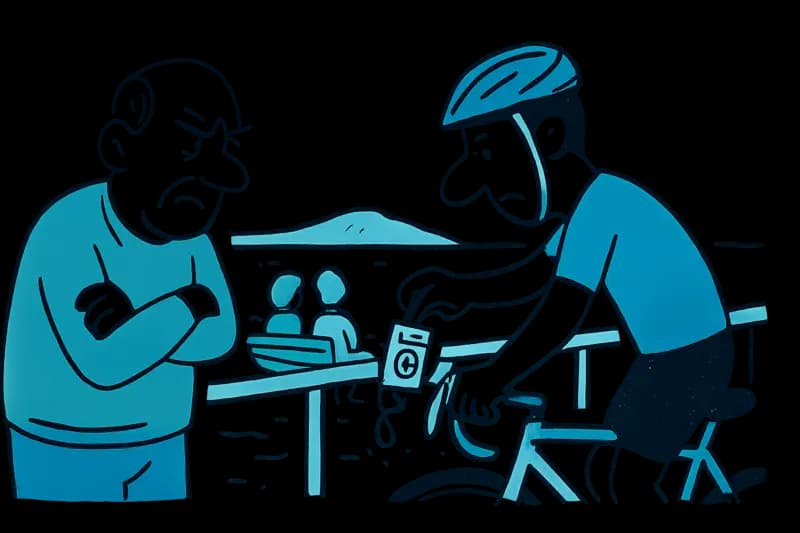
Residents outraged: plastic 'memories' at the Mirador — who protects the Formentor view?
At the Mirador de la Creueta, packaging and wet wipes are increasingly hanging from the railing. Who turns these into 'm...
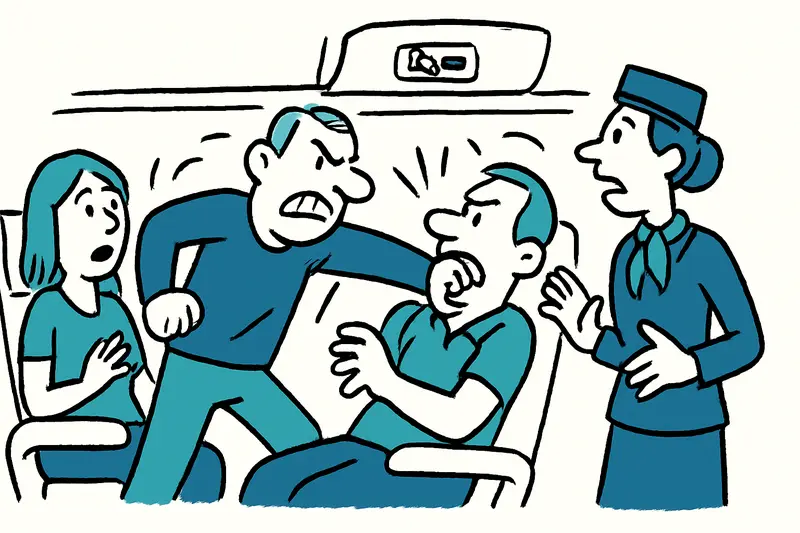
Just before landing: Brawl on Ryanair plane — What does it say about flight safety?
A dispute over the toilet escalated on a flight to Ibiza. Question: Are rule enforcement and de-escalation on board stil...
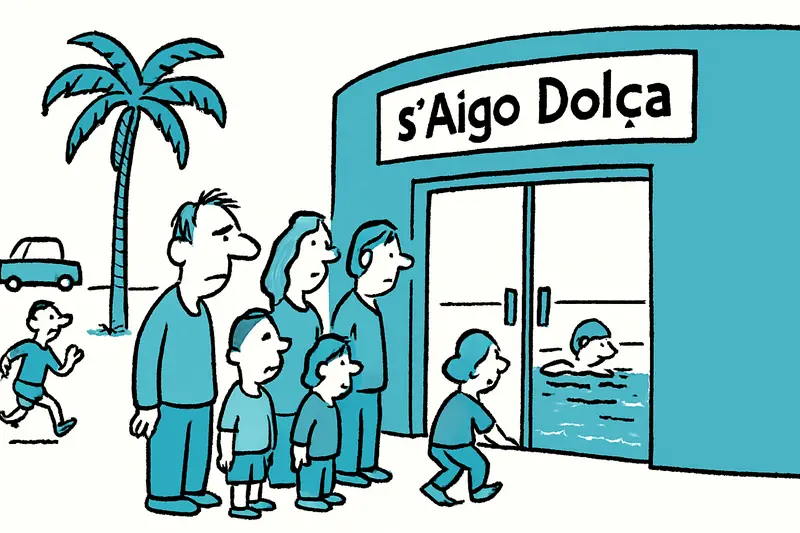
Open in the afternoons: New indoor pool "s'Aigo Dolça" brings life back to the Passeig Marítim
A new public indoor pool opened on the Passeig Marítim. 's'Aigo Dolça' offers two 6-lane pools, fitness rooms and aftern...
Barceló Takes Over Valparaíso Palace: A Reality Check for Palma
The pending sale of the Valparaíso Palace & Spa to Barceló raises hopes — and questions. What will the modernization mea...
More to explore
Discover more interesting content

Can Cap de Bou

Townhouse Lleo 72
