
Nighttime accident on the Paseo Marítimo: alcohol, a tripping hazard and many questions
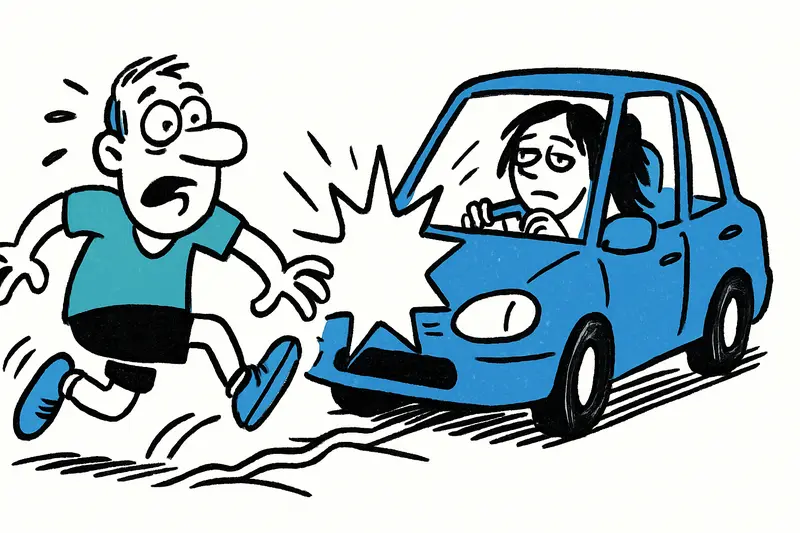
A 48-year-old tourist was seriously injured in the early hours on the Paseo Marítimo after tripping over an irrigation pipe and being struck by a car. Alcohol at the wheel, road closures and the question of prevention are occupying residents and police.
Nighttime accident on the Paseo Marítimo: a fall, a collision
Around 1:40 a.m., the usually quiet coastal road at Avenida Gabriel Roca became an emergency scene: a 48-year-old British tourist apparently tripped over one of the irrigation pipes running along the central reservation while crossing and fell onto the carriageway. At the same time a car was driving out of town; the young driver struck the man. Witnesses speak of a brief, choking silence, then frantic honking and the roar of an ambulance.
The key question: why do such accidents happen here and now?
The central question after this incident is not only who is criminally responsible for the collision. Rather, one must ask: why does a highly frequented promenade become a tripping hazard, and why do nighttime poor decisions so often end in serious consequences? The man lay unconscious on the road for a short time; ambulances and a SAMU-061 vehicle arrived quickly. He was taken to Son Espases hospital in a very serious condition and later identified by an identity card; concerns similar to this have been raised before, as in Fatal Accident on the Paseo Marítimo: Trial Raises Questions About Safety and Control.
Breath test, closure and the nighttime soundscape
The young driver (about 20) and her passenger were physically unharmed, but a breath alcohol test for the woman showed almost four times the permitted limit. She claimed to have had only 'a beer' and said she allegedly wanted to drive on to Felanitx. Police closed the Paseo Marítimo completely in the direction of the airport; motorists were diverted via Porto Pí. It was noticeable in the night: loud honking, impatient taxi drivers, occasional conversations on the sidewalks and the regular calls of the seagulls over the harbor, a pattern that echoes incidents such as Paseo Marítimo: Intoxicated Pedestrian Struck at a Red Light – Danger on the Promenade.
Analysis: more than just an accident — structural problems and the nightlife scene
Often reports of this kind focus only on who did what: who drove? who stumbled? That is too narrow. Little attention is paid to the infrastructure: exposed or hard-to-see irrigation pipes on the median are a hazard in the dark. Add lighting conditions, alcohol consumption in nearby bars and the limited availability of safe night transport options. In the early morning hours taxis are scarce, buses are infrequent — those who drive sometimes trust their judgment instead of staying sober; local coverage of past accidents, for example Seriously injured on Palma's Paseo Marítimo: An accident, many questions, illustrates the pattern.
Concrete opportunities and solutions
Such incidents offer the opportunity to discuss concrete measures. Proposals that could have both short-term and long-term effects:
- Visibility and infrastructure: cover or relocate irrigation lines, improve road markings and add street lighting where pedestrians frequently cross the promenade.
- Night traffic measures: implement reduced speed limits during nighttime hours, mobile barriers on medians and increased checks (breathalyzer and drug checks) on weekends.
- Night mobility: expand night bus lines, subsidize taxi rides during peak times, collaborate with bars to provide safe ride-home options.
- Awareness: information campaigns in bars and with event organizers, staff training to recognise and approach heavily intoxicated guests.
What remains — a warning to night owls and politicians
The case is the subject of police investigations; whether charges for drunk driving will follow depends on further findings. For residents and night owls alike the sobering realization remains: split-second decisions can change lives. A bar owner within sight summed it up: 'At this time there's always something going on here, but I've never seen anything like this.'
The promenade is a place of sea air, music and conversations, flickering lanterns and hurried traffic. This mix creates the nighttime atmosphere — and shows where we need to act if we want to prevent similar tragedies: better infrastructure, stricter controls and more safe alternatives for getting home.
Frequently asked questions
Is the Paseo Marítimo in Palma safe to cross at night?
What should I know about drinking and driving in Mallorca?
Why can the Paseo Marítimo in Palma be dangerous for pedestrians at night?
How do night road closures in Palma affect traffic?
What is the best way to get home safely after a night out in Palma?
What should tourists in Mallorca do if they are injured in a road accident?
Is it easy to find taxis late at night in Palma?
What changes could make the Paseo Marítimo safer in Mallorca?
Similar News

Maribel: Five Decades of Service – Housekeeper from Peguera Celebrated with a Special Honor
Over 50 years in the hotel business: María Isabel “Maribel” Molinos was honored in Palma at the Nit del Turisme by Unive...
Orange Alert over Parts of Mallorca: Are We Prepared?
Dark clouds and an announced wet spell have triggered an Orange alert in parts of Mallorca. A reality check: what's miss...

Sundair & Co.: Sale speculation and what it could mean for Mallorca
Rumors about a possible sale of the airlines Sundair and Fly Air 41, which belong to Schauinsland-Reisen — and whether b...
Anne Wünsche in Mallorca: A job offer with a catch — who fits the role of personal assistant?
Influencer Anne Wünsche has left Berlin and is urgently looking for a full-time personal assistant in Mallorca. Why the ...
Daily from New York: Palma Between Boom and Strain
United will increase the Newark–Palma route to daily flights in 2027 using Boeing aircraft (231 seats). What does the in...
More to explore
Discover more interesting content

Can Cap de Bou

Townhouse Lleo 72
