
Why are there fewer children under ten in Mallorca? A reality check
Why are there fewer children under ten in Mallorca? A reality check
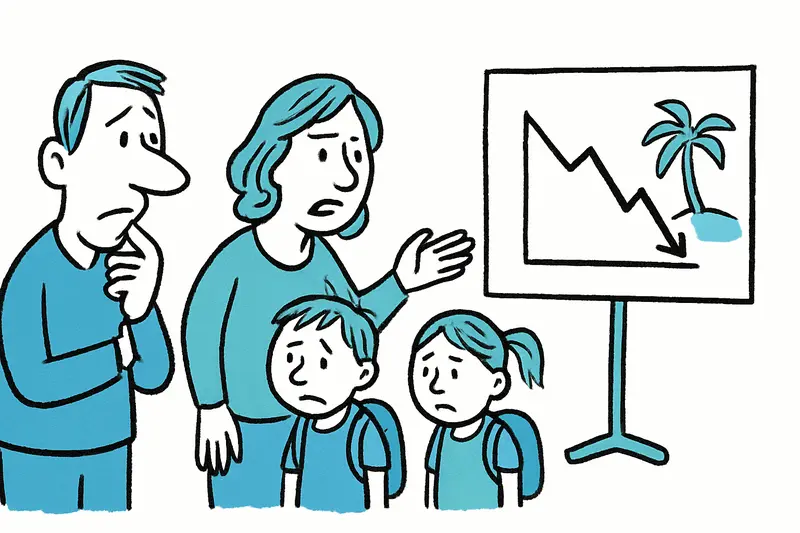
According to Spain's INE, the number of children under ten on Mallorca fell from 82,868 to 81,757 within a year. A clear trend emerges: fewer zero-to-four-year-olds, while the island's total population grows. What does this mean for schools, daycare and daily life on the island?
Why are there fewer children under ten in Mallorca? A reality check
Key question: What's behind the decline in under‑ten-year‑olds — and why is so little being said about the consequences?
According to figures from the Spanish statistics institute INE and reporting in When the strollers are missing: Mallorca's quiet demographic wake-up call, the number of children under ten on Mallorca fell in one year from 82,868 to 81,757. Over four years the total is almost 5,000 fewer children. The decline is particularly pronounced among zero‑to‑four‑year‑olds. At the same time, the island's overall population continues to grow. For children with foreign nationality there are isolated increases, especially among five‑ to nine‑year‑olds.
These are not abstract numbers — they are audible in everyday life: on a Wednesday morning in the Parc de la Mar fewer toddlers play on the benches, in front of the bakery on Avinguda Jaume III there are often only older neighbors in line. At the weekly market in Santa Catalina fewer children's voices are noticeable. This is not a neighbourhood phenomenon; the statistics confirm: it is island‑wide, a point explored in Who Shapes Mallorca's Streets? A Reality Check on Island Demographics.
How can the numbers be explained? There are several puzzle pieces that make sense together. On one side is the low birth rate that has long affected Spain, as discussed in Birth Crisis in the Balearic Islands: What Does the Decline Mean for Mallorca?. On the other side Mallorca is changing as a place to live: a growing overall population does not automatically mean more young families — often retirees or workers without children move to the island. Economic conditions play a role too: housing is expensive, rents and prices put pressure on young couples who postpone family formation or move to the mainland. The employment structure — strongly shaped by tourism with many seasonal contracts — also complicates family planning.
The figures also show something often missing from many conversations: different developments by nationality. While the overall number falls, groups with foreign nationality grow in certain age classes, for example among five‑ to nine‑year‑olds. This points to different migration and family patterns: some immigrants bring children with them or start families here; others remain childless, or their children are not registered as permanent residents.
What is barely discussed in the public debate? First: the connection between housing policy and family numbers. Debates about tourism, taxes or investors are loud; debates about affordable housing for young families are quieter. Second: daycare and school capacity. It is not enough to know that the number of the youngest is falling; we also need to understand how the availability of childcare places, the opening hours in tourism jobs and the cost of care affect decisions to have children. Third: seasonal versus permanent residents. INE statistics record registered residences — but not always the lived reality when families live on Mallorca only part of the year.
An everyday image is often missing from official debates: on the playground at Playa de Palma two young fathers sit and talk about how hard it is to find a long‑term flat, while an older couple next to them enjoys the peace they came here for. This side‑by‑side society shapes the island as much as the figures do.
There are concrete approaches — they are not new, but they would need to be implemented more boldly. First: targeted housing support for young families, such as rent subsidies or priority in new housing projects for households with children. Second: expansion of early childhood care with more flexible hours so parents in tourism sectors do not have to choose between job and childcare. Third: tax incentives and grants for first‑time parents or for families who live and work permanently on the island. Fourth: better data — INE figures are important, but complementary local surveys on seasonal residence and actual childcare use would improve planning.
One example to imagine: municipal housing models that convert vacant hotel rooms into long‑term rental family apartments, combined with mandatory childcare places for the children of those households. Such pilot projects need political backing, land ownership and courage from investors; they do not have to start large — a single neighborhood is enough.
Conclusion: The falling number of under‑ten‑year‑olds is more than a statistic — it is a warning sign. Mallorca is growing overall, but not evenly across age groups. If the island is to remain a livable home for families, appeals are not enough. Concrete policies are needed for affordable housing, more flexible childcare options and a better link between statistics and everyday life. Otherwise the next child’s laugh, which is already becoming rarer, may one day be missing — along with the small birthday parties, the three‑year‑old running through the market and the school classes that shape the island's future.
Frequently asked questions
Why are there fewer young children in Mallorca even though the island’s population is growing?
Is it harder for families to live in Mallorca because of housing costs?
Does Mallorca have enough childcare and school places for young families?
Why are there fewer toddlers and preschool children in Mallorca than before?
How do foreign families affect Mallorca’s child population?
What does the decline in children mean for everyday life in Mallorca?
What can Mallorca do to support young families?
How reliable are Mallorca’s child population figures if many people live there part of the year?
Similar News
Released with Conditions: The Plus Ultra Suspicion and a Mallorcan Finca as Residence
A Dutch entrepreneur, sought in connection with the Plus Ultra case, was extradited to Spain after his arrest in Germany...

Haute Nuit in Puerto Portals: Fashion, Art and Indulgence by the Water
On October 2 the Lobster Club in Puerto Portals will be transformed into a stage for curated fashion, art and culinary e...
Magaluf: Watchtower Alarm – Lifeguards Pull Unconscious Beachgoer from the Water
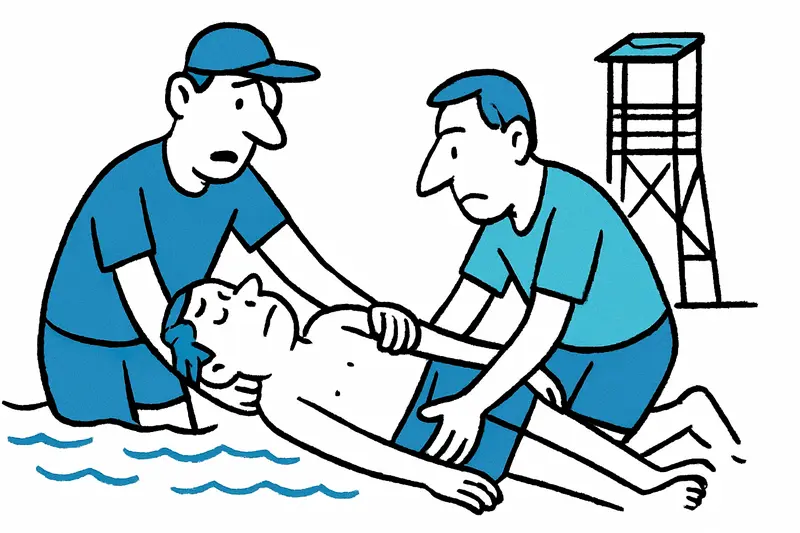
After a drama in the late afternoon, two lifeguards at Magaluf beach rescued an unconscious 44-year-old man. He was stab...

Turquoise in the City: How dangerous is the color play of the Sa Riera?
The Sa Riera in Palma suddenly turned turquoise — a pretty motif, but behind the effect lies a discharge of saline waste...

Jeckliner at Sunnesching: Cologne spirit sets sail from Palma
In September 2027 the Mein Schiff 2 briefly becomes a floating carnival stage: four days with Cologne bands, comedy and ...
More to explore
Discover more interesting content

Can Cap de Bou

Townhouse Lleo 72
