

Feeding forbidden: Why Mallorca's new ban needs more than signs
The island administration bans feeding free-ranging goats – a necessary first step. But are a schedule of fines and a few signs enough to solve the problem sustainably?
Feeding forbidden: Why Mallorca's new ban needs more than signs
A week ago at the mirador: a typical summer afternoon, sea air, the clatter of car doors and a group of goats rummaging for bread between the parked cars. That familiar scene now has an official end: the Balearic government has banned the feeding of free-ranging goats island-wide. Similar recent measures include bans in other areas, discussed in Emergency in Mallorca: Why Olive Trees Are Suddenly Banned — and Whether That's Enough.
The key question: Will a ban return the animals to the wild?
The intention is clear: animals must not become habituated to humans, vegetation and visitors must be protected. But the central question remains — is a ban sufficient to break habits ingrained over generations? Roadside feeding, ingrained tourist routines and throwing away food scraps are not problems that can be solved by signs alone.
What is often overlooked
1. Tradition and everyday life of mountain villages: In many village centers of the Serra de Tramuntana, feeding is part of a small neighborhood ritual. Older residents see it as a friendly gesture. A ban without accompanying education hits this way of life and can meet resistance.
2. Hidden causes: Often it is not targeted bread tossing but open backpacks, leftovers at picnic spots or improper waste disposal that attract animals into human areas. Such everyday sins are frequently overlooked in press releases.
3. Transparency of sanctions: Authorities speak of "high fines," but in initial announcements they do not name clear amounts, as explained in New Fines in Mallorca: Why Buyers Are Now Being Charged Too.
Critical analysis: What could work
A ban is necessary — but not sufficient. From the perspective of a sustainable solution, several building blocks belong together:
Clear, publicly communicated fine ranges: If penalties are to be threatened, they should be transparent and comprehensible. For example, graduated according to negligence and repeated behavior.
Education rather than immediate punishment as a first step: Mobile teams and volunteers should, in the first months, not only control but actively inform — at parking areas, miradors and especially during high tourist seasons. Short conversations, flyers in German, Spanish and English and pictograms often work better than immediate fines.
Improved waste and picnic infrastructure: Animal-proof bins, benches with waste notices and protective barriers at frequently visited parking bays would significantly reduce unintentional feeding.
Cooperation with local shepherds and communities: Instead of blanket bans, designated return zones or controlled feeding points in less sensitive areas could be discussed. Local shepherds know the migration routes of the herds and could help with site selection, and local initiatives such as Capdepera draws the line: Why the quad ban should only be the beginning show how municipal measures can support nature protection.
Monitoring and evaluation: Short-term controls are important; in the long term monitoring is needed: How does goat behavior change? Are populations displaced? Cameras, counts and simple research projects with universities could help here, as in other control efforts like Why Mallorca is tightening controls on pig transports — and what really matters now.
Concrete next steps — a proposal
1) Immediate information campaign in multiple languages, visible at all popular viewpoints. 2) Initial enforcement phase focusing on education (4–6 weeks), followed by staged sanctions with clearly communicated amounts. 3) Pilot project in two municipalities: a combination of returns, designated feeding points and local monitoring. 4) Regular evaluation after six and twelve months.
Why this matters for the island
It's not just about goats. It's about everyday life in Mallorca — the ringing of the village church, hiking trails in the Tramuntana, safety on narrow coastal roads. If visitors learn to leave a bag of bread in the trunk and locals see support instead of immediate punishment, the island will gain in the long term: less vegetation loss, fewer incidents, less stress for animals and people.
My advice for your next mirador visit: Enjoy the view, listen to the cicadas, take a photo of the goats — but don't feed them. And if you see a sign, read it. It's less a ban against kindness and more an attempt to preserve a delicate balance.
Frequently asked questions
Can you still feed goats in Mallorca after the new ban?
Why did Mallorca ban feeding wild goats?
Are there fines for feeding goats in Mallorca?
What should I do if goats come close to my car in Mallorca?
Is feeding goats still seen as normal in some Mallorca villages?
How can visitors help stop goats from coming to miradors in Mallorca?
What is being suggested besides a goat-feeding ban in Mallorca?
Why does goat feeding matter for Mallorca's landscape and roads?
Similar News

Rental Car Theft in El Arenal: What This Incident Reveals About Our Gaps
A teenager steals a running rental car in El Arenal, flees on foot, climbs over walls and is caught by the Guardia Civil...
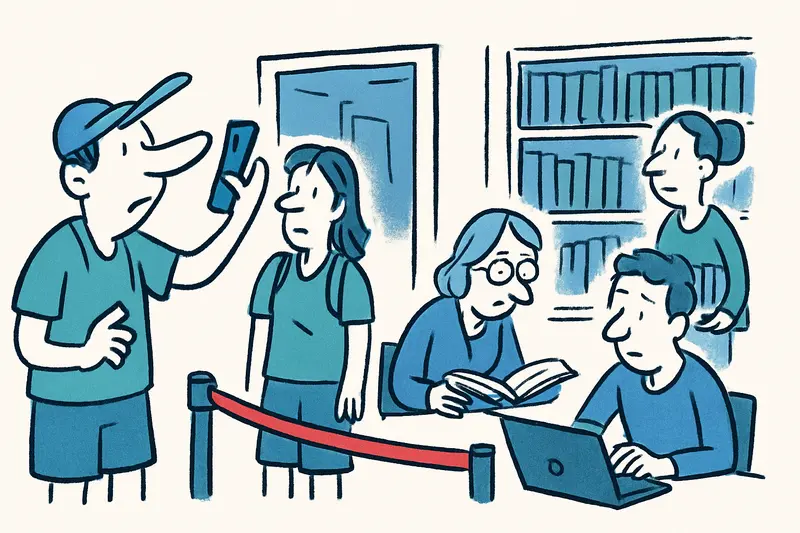
Red Rope in Palma's Library: What Helps Against Selfie Tourism — and What's Missing
Palma's city library cordoned off an area with a red rope to keep selfie tourism away from reading and working activitie...

Fort San Carlos: Museum, Harbor Dispute — and a Conflict That Demands Answers
The military museum at Fort San Carlos sits right on Palma's harbor, with unexpectedly quiet rooms filled with cannons a...
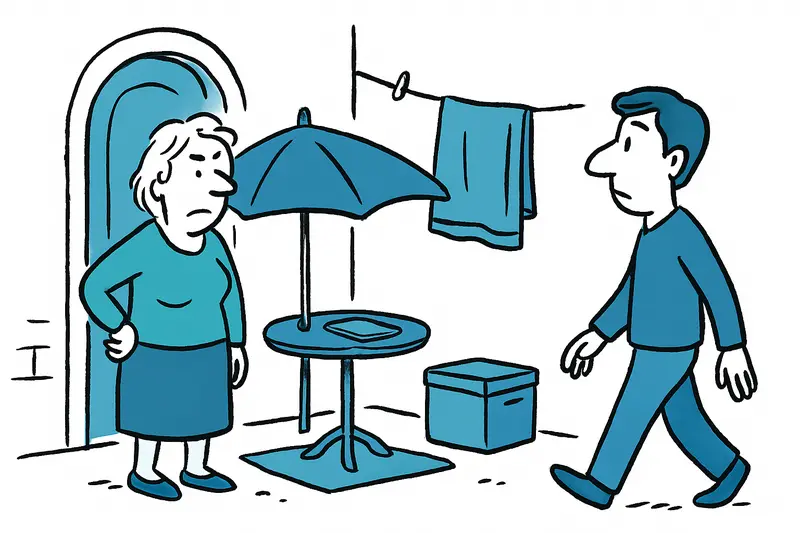
Old Town Under Pressure: When a Doorway Becomes a Sleeping and Shower Place
For months a woman has been living with a parasol, a clothes rack and personal belongings next to the social welfare off...
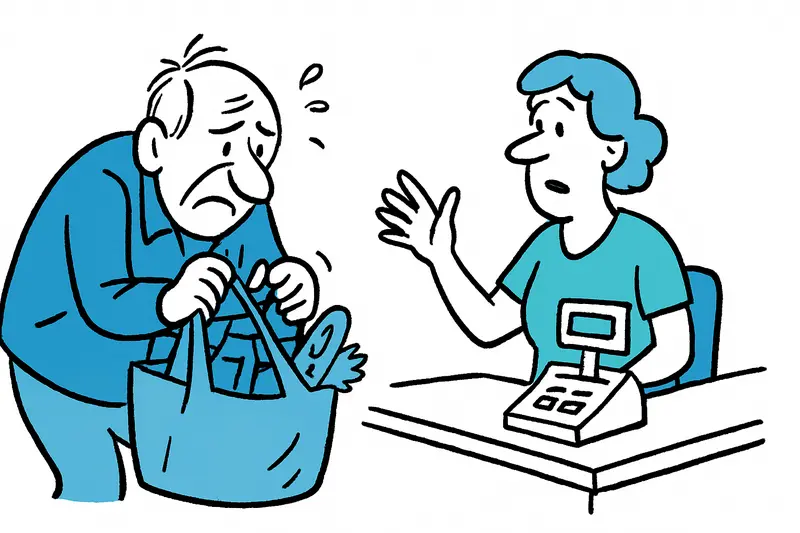
When Shopping Weighs Heavier: Mallorca Demands a Tax Pause on Food and Fuel
Rising prices are putting pressure on households and agriculture. The Balearic Islands are calling for temporary tax rel...
More to explore
Discover more interesting content

Can Cap de Bou

Townhouse Lleo 72
