

Why Mallorcans are Moving to Galicia — and Why We Should Be Worried
Numbers, smells, decisions: Why more and more island residents sell their apartments and start anew in Galicia — and what that means for Mallorca's neighborhoods.
Where to put your home? When the numbers reshape the island
On the way to the bakery in Santa Catalina, the clatter of coffee cups is often mixed with a resigned "Too expensive." You hear it at the counter, on the bus to El Molinar, in conversations at the harbor when the Tramontana stirs the sea. Over the past years this quiet complaint has turned into a tangible movement: Mallorcans are selling their flats in Palma or on the coast and moving — not infrequently far away — to the green northwest of Spain, to Galicia.
Key question: Why are people leaving — and what remains here?
The math behind it is simple and brutal: For €300,000 to €400,000, which you can get on Mallorca for a small flat, you often get an entire house with a garden in Galicia. In villages near Lugo property listings appear from €60,000, and cities like A Coruña offer apartments between €50,000 and €250,000. For retirees this is the promise of peace; for families the chance of space to breathe. Realtors sense demand — not only refugees of the market, but people deliberately choosing a different everyday life.
What's missing from the public debate
There is a lot of talk about holiday apartments and Prices for buying and renting continue to rise — small apartments are especially in demand — but less about the price-driven exodus of locals. Two effects are often underexposed: First, the thinning out of entire neighborhoods. When families, retirees and young couples gradually leave, not only residents disappear but everyday sounds: the walk to school, children's laughter, the chats at the bodega.
Second, conversion: Not every sold flat remains a home for permanent residents. Some owners see vacancy as an opportunity for short-term rentals, a trend discussed in When Houses Are Suddenly Rented Away: How Foreign Tenants Are Changing Neighborhoods. That further reduces the supply of long-term housing — a vicious circle that dilutes the social mix and sterilizes neighborhoods.
Short-term relief, long-term risk
Yes, outmigration relieves pressure on rents and house prices in the short term. But it risks the substance: Who will run the bars later, teach at the school, care for the elderly? If young workers are lacking, a structural decline threatens that cannot simply be replaced by tourist offers, as highlighted in Who Shapes Mallorca's Streets? A Reality Check on Island Demographics. Empty flats become objects of speculation or apartments for weekend guests — both harm the urban fabric.
You see it in quiet streets, in vacancies with yellowed notices, in shop windows no longer frequented by regular customers. This is not abstract urban sociology; this is the end of the small everyday life that made Mallorca so distinctive.
Concrete areas for action — no silver bullets, but ideas
Instead of reflexively calling for bans, we need locally anchored responses that secure housing and steer investment. Some pragmatic proposals:
1. Social housing & renovation funds: Municipalities should purposefully buy up or reserve stock to secure long-term tenants. A renovation fund could make decaying old buildings attractive for locals — instead of losing them to short-term rentals.
2. Fiscal incentives: Purchase and tax relief for young families who remain in or return to certain neighborhoods. Conversely, penalties for owners who run profit-driven holiday rentals instead of offering long-term leases.
3. Regulated conversion: Clear rules for converting housing into holiday apartments — linked to a minimum quota for long-term rental in sensitive zones and an obligation to report vacancies.
4. Strengthening rural infrastructure: Mobile administrative centers, better bus connections, and co‑working hubs in the countryside can relieve pressure on urban neighborhoods and enable flexible working.
5. Neighborhood models: Cooperatives, communal renovations and microfinance projects can keep land and houses locally owned — slowing down departures.
Looking ahead: Those who stay must plan — and policymakers must act
On the way to the harbor a colleague recently said: "If you want to stay, you must plan." That applies to individual households as well as city policy. Mallorca faces a double task: to use its tourist appeal without sacrificing its own substance. Those who only see short-term gains risk destroying the island's enduring life.
The decision why someone goes to Galicia — the smell of damp earth, the garden, less stress — is understandable. The question for Mallorca is whether the island leaves enough space and perspective for people to remain. If not, the street sounds will someday be made only by tourists — and the real neighbors will be gone.
Frequently asked questions
Why are some people leaving Mallorca for Galicia?
Is Mallorca still affordable for people who want to stay long term?
What happens to Mallorca neighbourhoods when local families move away?
How do short-term rentals affect housing in Mallorca?
Why is Mallorca losing residents even though it is such a popular place to live?
What kind of housing policies could help keep people in Mallorca?
Are rural areas in Mallorca part of the solution to the housing crisis?
What should someone consider before deciding to leave Mallorca for mainland Spain?
Similar News
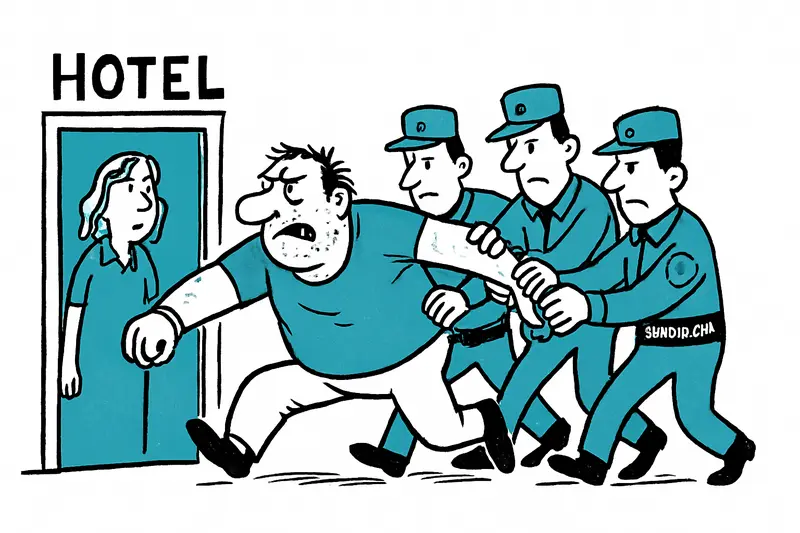
When the reception closed: troublemaker in Port d'Alcúdia injures three Guardia Civil officers
A drunken 22-year-old tourist tried to enter a hotel even though he was checked in at another property. When hotel staff...

Death in Son Gotleu: A Knife Stab — and Many Unanswered Questions
In Son Gotleu a young man was fatally injured after an altercation in a bar. Police arrested a suspect, but the reason r...

New Cappuccino in Port d'Andratx: Larger Terrace and Views of Harbor Life
After more than a year of renovation, an expanded Cappuccino Grand Café has opened in Port d'Andratx. The terrace, inter...

Unknown suitcase on board – how a piece of luggage forced an Ibiza jet to Toulouse
A Eurowings flight from Ibiza to Düsseldorf had to make an unscheduled stop in Toulouse because a piece of luggage on bo...
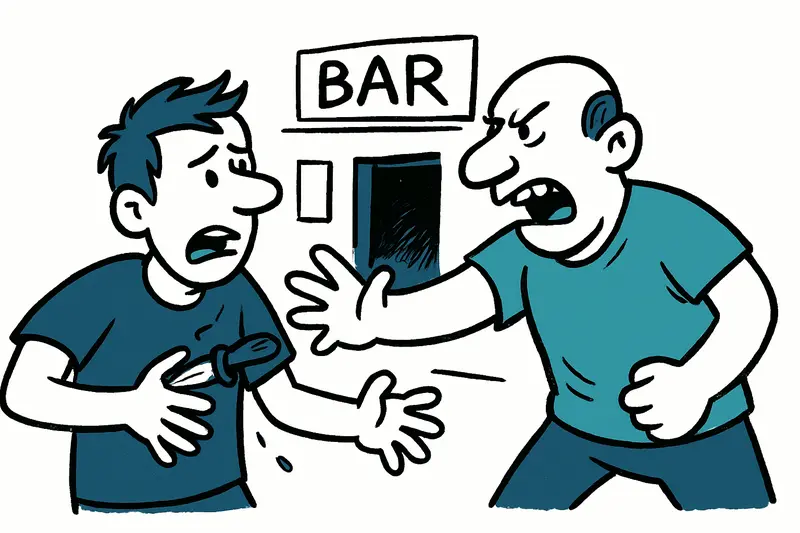
Fatal knife attack in Son Gotleu: Young man dies after dispute in bar
In Son Gotleu a young man was stabbed to death after an argument in a bar. The Policía Nacional arrested a suspect short...
More to explore
Discover more interesting content

Can Cap de Bou

Townhouse Lleo 72
