

Mallorca on a Cultural Course: Short Trips Bring Fresh Energy to the Island
Mallorca on a Cultural Course: Short Trips Bring Fresh Energy to the Island
Shorter, intentionally cultural trips are gaining importance in the Balearics: in 2024 Spain recorded over 181,000 cultural trips — making up 9.1 percent of all trips and generating roughly €104 million in revenue.
Mallorca on a Cultural Course: Short Trips Bring Fresh Energy to the Island
At Plaça Major a couple sits with hot coffees, on Passeig del Born a family discusses a painting outside a small gallery, and classical music spills out of a café onto the street — that is the new rhythm visitors interested in culture bring. In 2024, culture-focused trips to the Balearics rose significantly: more than 181,000 such trips were recorded, about 30 percent more than the year before and almost 80 percent more than before the pandemic. Mallorca en ruta cultural: las escapadas cortas aportan aire fresco a la isla
The special thing: these guests stay for shorter periods. On average the cultural trips lasted 4.7 days. They are often weekend or short breaks where museums, churches, festivals or other cultural events are the main reason for traveling. Los viajes culturales están en auge: qué ganan los museos y espacios de Mallorca
Economically this is no small matter. Cultural travellers spent around €104 million on the islands in total, which corresponds to roughly €576 per trip. The money does not end up only in large hotels: it flows into entrance fees, guided tours, small museums, street cafés, bookshops and artisan shops in Palma’s narrow streets. On a cold mid-morning sun you can see it in the full park benches and the sellers at the weekly markets.
Why is this good for Mallorca? These visitors often seek authenticity. They explore old town alleys, buy locally produced food and are more likely to spend money away from the classic beach zones. For places like Sóller or Valldemossa this means visitors are more spread throughout the year and not only concentrated on the hottest beach weekends.
On site a second, welcome side effect becomes visible: the low season gains colour. In the city you no longer hear only air conditioners and packing noises from hotels, but also voices in front of exhibitions, the click of a tour group's camera and occasionally a guided tour answering questions in several languages. Small theatres and cultural centres report increasing requests for workshops and afternoon programmes.
Of course there are challenges: museums and organisers must create shorter, more compact offers — not three-hour sightseeing marathons but concentrated formats that fit into a weekend trip. At the same time there is the opportunity to develop new combined offers: an evening church tour plus a tapas walk, or a half-day workshop with a local ceramics studio.
Practical ideas for municipalities and providers: cheaper combo tickets, coordinated bus timetables at weekends, targeted cooperation between museums and local venues. Three hours of guided tour in the morning, lunch at a restaurant with local specialties, a short market visit — there you have a short programme that satisfies visitors and strengthens the local economy.
You can feel it on the island: culture is no longer a niche product, but part of the typical Mallorca visit. On a clear winter day strolling down Avinguda Jaume III you see travellers with backpacks holding a museum ticket instead of sunscreen. That may not replace the beach-bar scene — but it rounds out the offer.
Looking ahead can be motivating: more cultural short trips mean more diversified income sources, easing of peak season pressure and livelier town centres. For Mallorca this means regaining a piece of normality — not just sun and sea, but also stories, street music and exhibitions you treat yourself to on a long weekend.
Frequently asked questions
Why are cultural short breaks becoming more popular in Mallorca?
What kind of cultural activities do visitors look for in Mallorca?
Is Mallorca a good destination for a winter city break?
How do cultural visitors support Mallorca's local economy?
What can you do in Palma de Mallorca if you want a cultural weekend?
Why do towns like Sóller and Valldemossa benefit from cultural tourism in Mallorca?
What should you pack for a cultural trip to Mallorca?
Are there enough short cultural programmes in Mallorca for a weekend trip?
Similar News
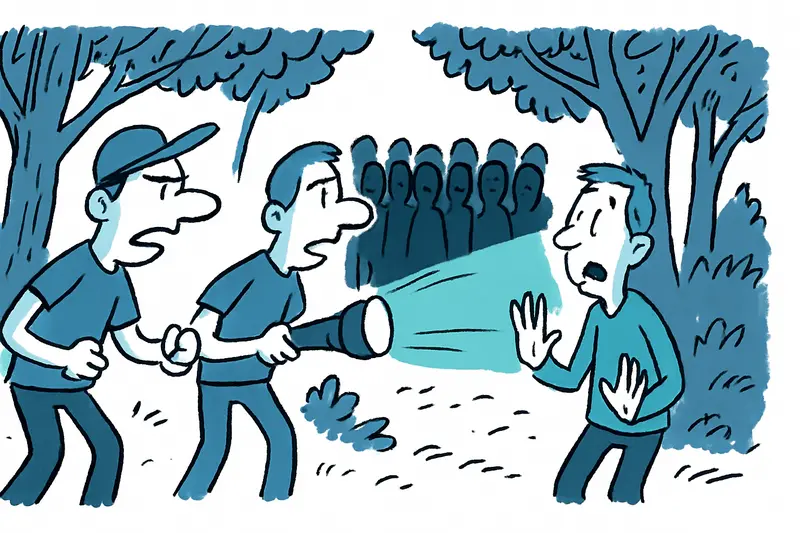
Fear in the Sa Teulera Forest: Youth Groups Harass Cruising Zone in Palma
In the wooded area of Sa Teulera, those affected report verbal attacks, property damage and intimidation. How safe is th...
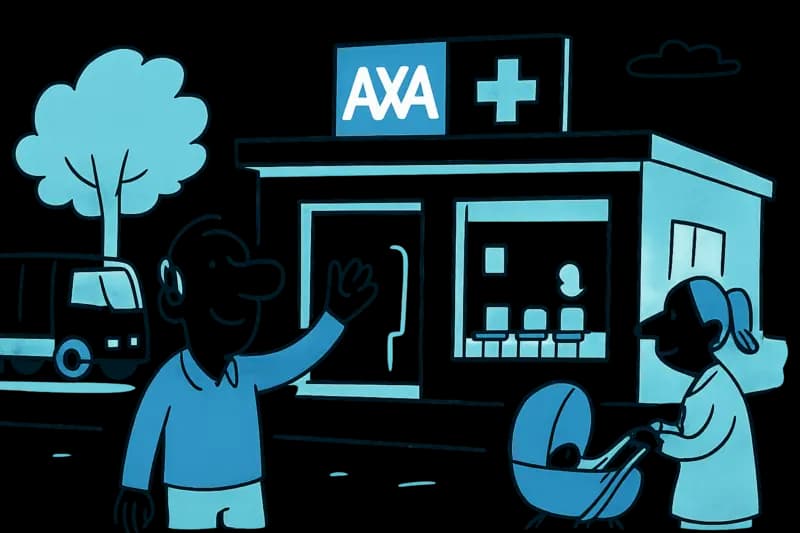
Axa opens first health center in Palma: €3 million, 650 m² and more local access for La Vileta
In the heart of La Vileta, Axa has opened its first own health center in Mallorca. On around 650 square meters and with ...
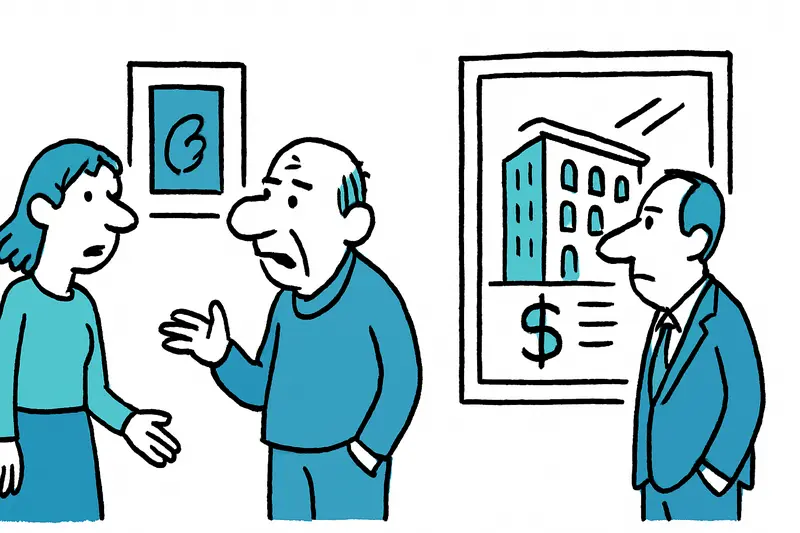
30 Years of Nit de l'Art: What Palma's Art Night Really Shows — and Conceals
Nit de l'Art celebrated its thirtieth anniversary: full galleries, young visitors — and the quiet tensions between the a...
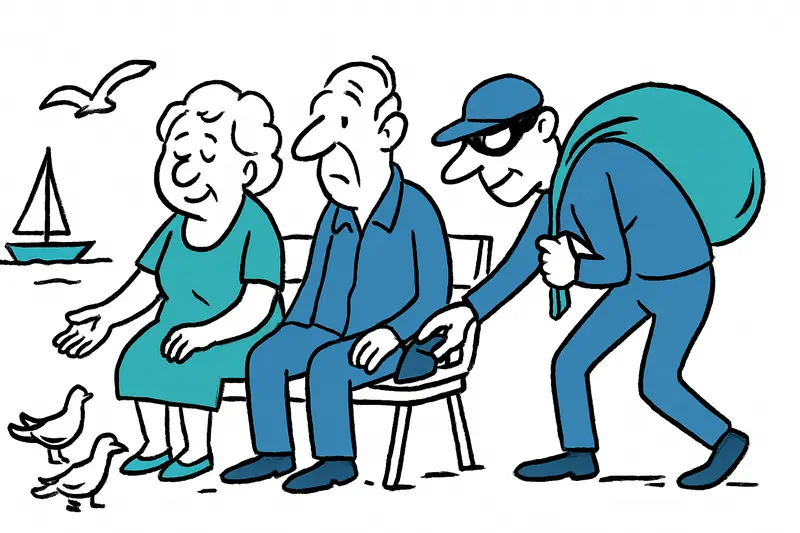
Hunt for Older Holidaymakers: Arrests after Suspected Pickpocketing in Port d'Andratx and Bellver
Five suspects were arrested after investigators accuse them of targeted pickpocketing of elderly tourists in Port d'Andr...
Knife stabbing in Magaluf: Why it must not remain an isolated incident
A 21-year-old tourist was stabbed in the chest in Magaluf and is in life-threatening condition. A reality check: what's ...
More to explore
Discover more interesting content

Can Cap de Bou

Townhouse Lleo 72
