
Manacor sets limits for Sant Antoni – Pyrotechnics banned, traditions put to the test
Manacor sets limits for Sant Antoni – Pyrotechnics banned, traditions put to the test
In Manacor, firecrackers and loudspeakers are banned for Sant Antoni; the decision raises questions about enforcement, exemptions and the protection of local customs.
Manacor sets limits for Sant Antoni – Pyrotechnics banned, traditions put to the test
Key question: How can safety be reconciled with lived tradition in a town where fireworks have been part of the custom for years?
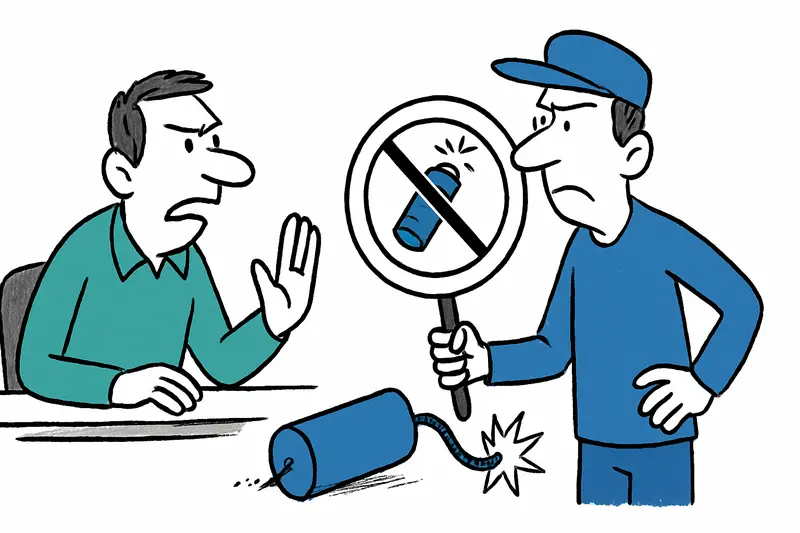
The city of Manacor has tightened the rules for the patronal festival Sant Antoni in 2026: firecrackers, rockets and similar pyrotechnic items are prohibited unless they have been expressly approved in advance by the municipality. The main celebrations are concentrated on the evening of January 16, while January 17 will be observed in Manacor as a public holiday. Street loudspeakers and live music in open spaces are not to take place. Similar limitations have been applied elsewhere, as reported in Sa Feixina grows quieter: Music at the Christmas market sharply limited. At the same time, the local "goigs", the loud songs of rejoicing, remain permitted and will be heard in the evening at the Plaça de la Concordia — scheduled for 21:00, the city administration said.
The announcement sounds short and decisive — likely by design. At first glance the measure is a response to safety and noise concerns, but it strikes at a practice that many residents and associations regard as part of their identity. Strolling down the Carrer Major on a cool January evening, you sometimes smell roasted almonds and hear older neighbors talk about the racket of past celebrations. These everyday images now stand in contrast to the sober language of the new ordinance. A comparable debate over festival noise has unfolded in Felanitx, as described in Felanitx Between Sparks and Families: How Much Noise Can the Festival Take?.
Critical analysis: The decision is understandable from a risk-prevention perspective. Fireworks mean fire hazards, risk of injury and additional strain on emergency services in the cold season. Yet enforcement and exemptions remain unclear. What exactly counts as a pyrotechnic device, which criteria does the municipality use to grant approvals, and what fees, deadlines or conditions apply? In many cases everyday practice determines how strictly rules are actually applied — not only the literal wording of the decree.
What is missing from the public debate is a transparent presentation of the reasons behind the decision and the practical rules. There is so far little information on how the approval procedures work, who reviews them and which protective measures approved events must comply with. Equally little attention has been paid to the question of enforcement capacity: will local police stations and the municipal order service receive additional staff? Who will monitor decentralized celebrations in the suburbs or at rural fincas around Manacor?
A concrete everyday scenario: On January 16, shortly before 21:00, you meet older residents and families with children at the Plaça de la Concordia. The air is cold, street lamps cast halo-like rings on the wet cobblestones. Some bring candles, others stand with thermoses and watch to see if the singers of the goigs appear. In the alleys you hear the distant honk of a delivery van; no one sets off rockets — not out of principle, but because the city has prohibited them. This small scene shows: tradition lives in shared street life, not only in major events.
Concrete solutions: First, the municipality should publish clear, publicly accessible guidelines for the approval of pyrotechnics, including deadlines, required safety plans and fee structures. Second, designated, secure areas should be provided for professional fireworks carried out by certified teams — this preserves a visual highlight while reducing the risk to houses and pine forests. Third, alternative, low-noise forms of celebration, such as light installations, communal singing and traditional rites like the goigs, should be actively promoted. Fourth, municipal information efforts on the ground — notices in neighborhoods, talks with neighborhood associations and the deployment of mobile information teams in the days before Sant Antoni — would reduce uncertainty and increase acceptance. Finally, enforcement must be transparent and penalties publicly communicated so that no one is treated arbitrarily. The durability of such measures has been questioned elsewhere, notably in Less Christmas Noise in Sa Feixina – Success for Residents, but How Lasting?.
What the city should also consider: Many festival acts are organized on a voluntary basis. A transition period during which the municipality works with associations to develop practicable conditions could avoid clashes. In addition, involving young people helps — they are often the driving force behind street festivals and can act as mediators when new rules need to be communicated locally.
Pointed conclusion: The bans demonstrate that Manacor wants to prioritize safety and quiet. That is understandable. The challenge now is to explain and implement the rules in a way that does not drive festival culture underground. Without clear procedures and dialogue, a conflict between administration and population is likely — and that would endanger the spirit of Sant Antoni, not the fireworks alone.
Frequently asked questions
What are the Sant Antoni rules in Manacor for 2026?
Can you still use fireworks during Sant Antoni in Mallorca?
What kind of music is allowed at Sant Antoni in Manacor?
Why has Manacor restricted pyrotechnics for Sant Antoni?
When is Sant Antoni celebrated in Manacor?
What happens to the goigs during Sant Antoni in Manacor?
How might Manacor enforce the new Sant Antoni rules?
What does the Sant Antoni debate in Manacor mean for festival tradition in Mallorca?
Similar News

Haute Nuit in Puerto Portals: Fashion, Art and Indulgence by the Water
On October 2 the Lobster Club in Puerto Portals will be transformed into a stage for curated fashion, art and culinary e...
Magaluf: Watchtower Alarm – Lifeguards Pull Unconscious Beachgoer from the Water
After a drama in the late afternoon, two lifeguards at Magaluf beach rescued an unconscious 44-year-old man. He was stab...

Turquoise in the City: How dangerous is the color play of the Sa Riera?
The Sa Riera in Palma suddenly turned turquoise — a pretty motif, but behind the effect lies a discharge of saline waste...

Jeckliner at Sunnesching: Cologne spirit sets sail from Palma
In September 2027 the Mein Schiff 2 briefly becomes a floating carnival stage: four days with Cologne bands, comedy and ...
Finally Home: Mike and Leyla Heiter Buy Villa with Sea View in Mallorca
The reality TV couple Mike and Leyla Heiter have bought a house in Mallorca with a roof terrace and sea view. An Instagr...
More to explore
Discover more interesting content

Can Cap de Bou

Townhouse Lleo 72
