
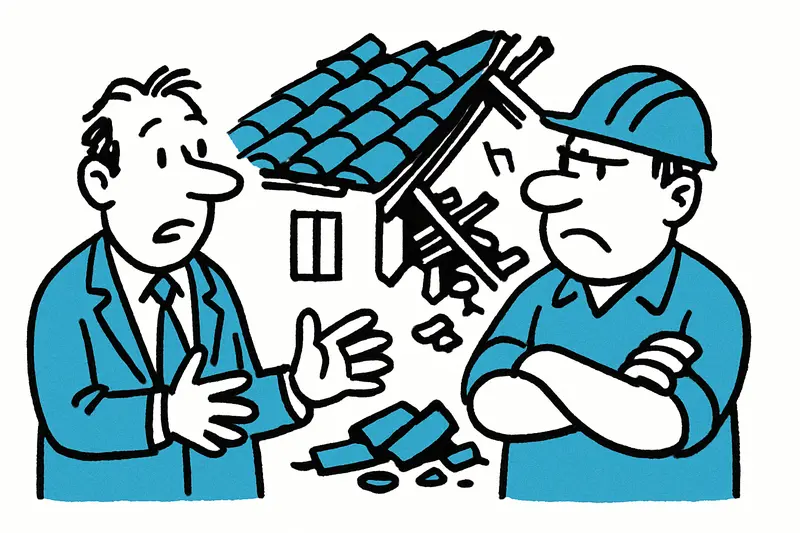
Who is liable for collapsing roofs? After the death of an 18-year-old in Manacor, a reality check
Who is liable for collapsing roofs? After the death of an 18-year-old in Manacor, a reality check
In Manacor a roof collapsed during the night onto a bedroom in an old-town house. An 18-year-old died and his 12-year-old brother was injured. Why such accidents continue to happen in Mallorca and what might be missing now.
Who is liable for collapsing roofs? After the death of an 18-year-old in Manacor, a reality check
The roof crashed onto the brothers' room while they slept — rescue crews had to pause the operation due to further collapse risk
It is just after five in the morning, the streets in the old-town maze of Manacor are quiet, only distant dogs make noise. Then sirens: fire brigade and ambulances push through narrow alleys, house fronts cast long shadows in the headlights. In front of a three-storey residential building lies a scattered blanket of tiles and wood. People stand there, some with blankets over their shoulders, others stare silently at the red-and-white tape cordoning off the street. In one of the rooms: the rubble, among it a young person whose life could not be saved. His twelve-year-old brother lies injured in Son Espases hospital in Palma; the parents are physically unharmed and are receiving psychological support.
Key question: How many warning signs does island society overlook before a roof collapses and kills someone? For me this is the central question: not only to examine causes, but to look at the chain of responsibility, as discussed in the Playa de Palma Trial: Who Bears Responsibility After the Rooftop Terrace Collapse?
Critical analysis: In Mallorca there are many houses, especially in old towns, that are under conservation or financial pressure. A three-storey old building in a narrow street — this is not an exotic isolated case, but everyday life in places like Manacor. Roofs age, wooden beams rot, rain seeps under tiles; hazards are also highlighted in the After a Roof Collapse in Artà: Termite Alarm on Carrer de les Roques — Who Takes Responsibility Now. Who inspects them regularly? Who pays for repairs? In this case the roof apparently collapsed into the brothers' bedroom while they slept; rescue teams had to briefly suspend operations because another section collapsed. That shows: the danger was acute and dynamic — not a harmless static inspection after the fact.
What is missing in the public debate: First: a clear account from the responsible authorities about preventive inspections and their frequency. Second: the question of renovation funds for low-income owners who cannot afford urgently needed repairs. Third: a serious debate about the responsibilities of property managers and municipalities for buildings with multiple owners. And fourth: the topic of climate. Stronger rain events and temperature fluctuations strain old roof structures — that must not remain a taboo. Similar dilemmas have been raised in cases such as the Medusa Beach: Who Bears Responsibility After the Collapse? and have been followed up in the media and courts, for example in the Court Hearing After Terrace Collapse: Who Is Responsible?
Everyday scene from Mallorca: Anyone who walks drunkenly past the market at the Plaça in the morning knows the sounds: market traders, the scraping of chair legs, a delivery van reversing. This dense, lively development is part of our villages' charm — but it also complicates rescue operations. Narrow alleys hinder access, limited space slows recovery work, tight staircases prevent quick evacuations. In emergencies, neighborhoods often provide first aid, but that does not replace systematic prevention.
Concrete solutions: 1) Inventory of at-risk buildings: Every municipality should maintain a map with a risk assessment — age, documented damage, use (residential, holiday rentals). 2) Subsidized immediate repairs: A municipal or Balearic fund to subsidize smaller roof and beam replacement works, linked to simple contributions (job coaching, voluntary community work). 3) Stricter reporting duties: Visible defects must trigger faster municipal action; owners can be held liable for delays. 4) Mobile rescue logistics: Specialized teams equipped for narrow alleys (smaller lifting devices, foldable platforms), plus regular exercises in old-town neighborhoods. 5) Information campaigns: Inform homeowners and tenants about signs of weakness — dripping beams, noisy wind with little storm, cracks above door frames.
Another concrete element: targeted inspections near schools and in homes with residents who can hardly defend themselves — children, elderly people, single parents. The legal instrument often exists on paper, but implementation falters. Equally important: psychological immediate aid for families, neighbors and rescue personnel after such events.
Conclusion (pointed): This accident is not a silent act of fate; it is a warning sign. If we only mourn and later return to everyday life, the risk remains. Manacor and other places on the island need a pragmatic bundle of inspection, financing and better rescue logistics. Otherwise the story will repeat — and next time it may affect people who get no second chance.
The investigations into the collapse are ongoing. In the meantime questions remain — and a community that has to watch debris and memories being cleared away. We should not look away. Who among us knows a roof that creaks at night?
Frequently asked questions
What are the warning signs that a roof in Mallorca may be unsafe?
Who is usually responsible if a roof collapses in Mallorca?
Are older houses in Mallorca more at risk of roof collapse?
What should you do after a roof collapse in Mallorca?
Can heavy rain make roof damage worse in Mallorca?
What help is available for families after a roof collapse in Mallorca?
Why are roof inspections important in Manacor and other old towns in Mallorca?
Can owners in Mallorca get support for urgent roof repairs?
Similar News
On the Edge: What Mallorca's Airport Loses If a Major Low-Cost Carrier Falters
The company that operates numerous connections from Palma to France and domestically is negotiating with creditors to re...
Ballermann star Frenzy wins 'Villa of Temptation' and donates prize money to Mallorca animal rescue
Ballermann singer Frenzy won the German reality show and donated the remaining prize money — around €14,080 — to an anim...
70 Trees Removed on Avenida Jaume I: What's Happening in Santa Ponça?
On October 1 the final redevelopment phase on Avenida Jaume I in Santa Ponça begins: 70 trees and old streetlights are t...
When a Boundary Is Crossed: The Case of Isi Glück and the Responsibility of Venue Operators
The singer from Mallorca reports an assault backstage in Halle. A clear guiding question, analysis of missing protective...
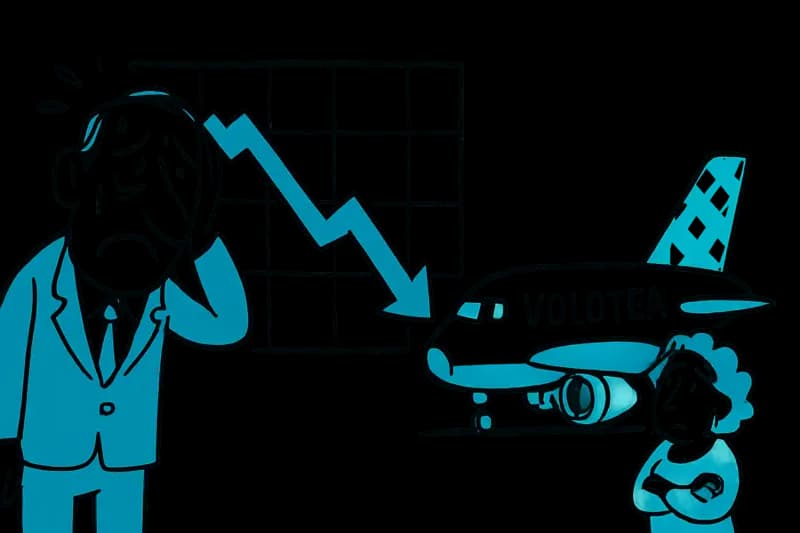
On the Brink: Volotea Fights for Survival — What Palma Can Expect Now
Volotea is negotiating its debts and plans to downsize its fleet. What consequences does this have for Palma, employees ...
More to explore
Discover more interesting content

Can Cap de Bou

Townhouse Lleo 72
