

Who decides on Mallorca's windows? Manacor sets colors and shapes
Who decides on Mallorca's windows? Manacor sets colors and shapes
The municipality of Manacor will henceforth dictate how shutters and wooden windows may look. An important debate about the townscape, property rights and implementation is looming.
Who decides on Mallorca's windows? Manacor sets colors and shapes
Key question
Who is allowed to decide how the facades of our towns look: the municipality, individual homeowners or everyday life on the street? Manacor's recent rules on shutters and wooden windows raise precisely this question, as discussed in Manacor and the Topaz Apartments: Who Bears the Responsibility?.
The facts in brief
The municipality in the centre of the island has drafted a set of rules that prescribe building styles and color choices for windows, doors and the classic Mallorcan wooden shutters – the persianas. Green tones and wood are common in many places; in future there will be tighter color requirements depending on the district. The rules come into force with publication in the official gazette. Comparable restrictions already exist in mountain villages like Deià and Sóller, for broader context see Mallorca's new residential axis: Villages grow, Palma keeps moving.
Critical analysis
At first glance the idea is understandable: uniform facades give a locality an appearance that visitors, neighbours and heritage authorities perceive as harmonious. But the regulation touches on several areas that often lie side by side, such as recent planning and housing debates described in Building law relaxed: How Mallorca decides between housing and farmland.
First: property rights. Many homeowners view their facade as personal property. A binding colour or form requirement can be perceived as an intrusion into freedom of design – especially if no financial support is offered for necessary changes.
Second: heritage protection versus everyday life. In historic centres a binding colour spectrum makes sense. In newer neighbourhoods the same rule quickly seems arbitrary. Treating whole districts uniformly risks displacing local variations and modern solutions.
Third: implementation and enforcement. Rules without clear, transparent procedures for permits, exceptions and sanctions create mistrust. Who checks and who pays when a shutter must be replaced? Are fines imposed? Or is there a municipal grant fund?
What's missing in the public discourse
Public debate often focuses on "uniformity". Practical questions receive less attention: funding options, technical specifications (wood, aluminium, types of paint), climate relevance (thermal insulation, heat protection), and the social aspect – for example, how people on low incomes are to be required to make changes. Also rarely discussed: how local craftsmen are affected or could benefit from such rules.
Everyday scene
A Saturday morning in Manacor: vans rattle over the cobbled roundabout, a small café hands out cappuccinos in paper cups to waiting craftsmen. An older man braces a ladder against a brown facade; above him a green wooden shutter rattles, showing better days. A young family casually discuss the colour of their new balcony – the decision suddenly feels less abstract and more tangible: money, time, an appointment with the carpenter. Debates about daily rhythms echo broader questions such as Who decides the time in Mallorca? Between bright mornings and long summer evenings.
Concrete approaches
1. Phased model: Introduce new rules step by step: pilot streets or neighbourhoods first, then expansion. This keeps mistakes small and learnable.
2. Advice and samples: Local colour sample boxes, advisory services at the town hall and digital visualization tools so owners can see how their house would look with the proposed colour.
3. Financial support: Grants or interest-free small loans for the restoration of wooden windows and persiana renovation. Otherwise the rules risk hitting low-income people especially hard.
4. Technical specifications instead of blanket bans: Rather than rigid colour charts, material and quality standards should be defined (e.g. low-emission paints, corrosion-resistant fittings). This allows variation while protecting fabric and the environment.
5. Catalog of exceptions and participation: Clear exceptions (for example for listed elements or modern additions) and a simple participation procedure for neighbours and owners, such as round tables or online consultations.
6. Strengthen the crafts: Training and support programmes for local carpenters so work on persianas is affordable and of good quality.
Concise conclusion
A well-thought-out appearance is more than decoration: it affects property, work and the everyday lives of the people who live here. What Manacor now decides should not be only a matter of optics. It requires a binding but social implementation – with advisory services, financial help and clear procedures. Then not only facades will be unified, but the path to get there will be fair.
Frequently asked questions
Why is Manacor changing the rules for windows and shutters?
Will homeowners in Mallorca have to repaint their windows to match new facade rules?
Are there similar facade rules in other Mallorca villages?
Do facade colour rules in Mallorca apply to older and newer neighbourhoods in the same way?
What happens if a homeowner in Mallorca cannot afford new shutters or windows?
When do Manacor’s new window and shutter rules start?
What is the usual style of Mallorcan persianas and wooden windows?
How can Mallorca towns make facade rules fairer for residents?
Similar News
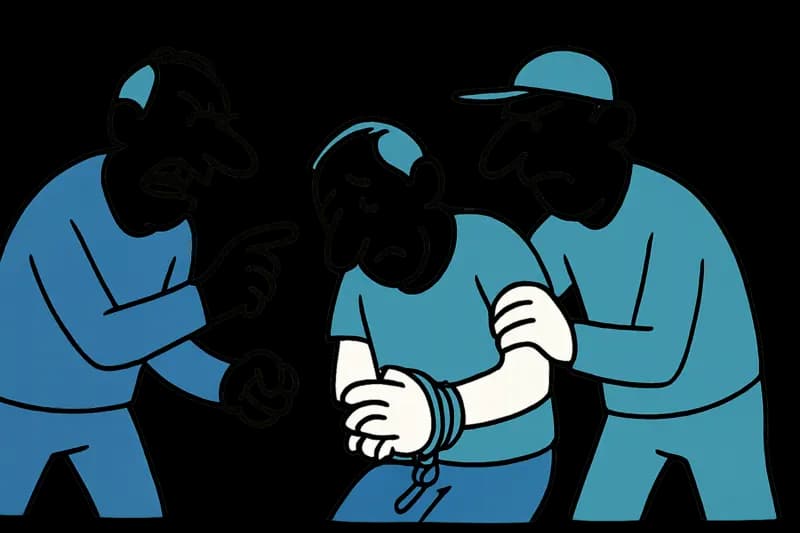
Mistaken identity with fatal consequences: Brutal assault in S'Aranjassa — what's missing in the follow-up?
At S'Aranjassa a visitor to a finca was tied up, beaten and thrown out of a van. Three men have been arrested, including...
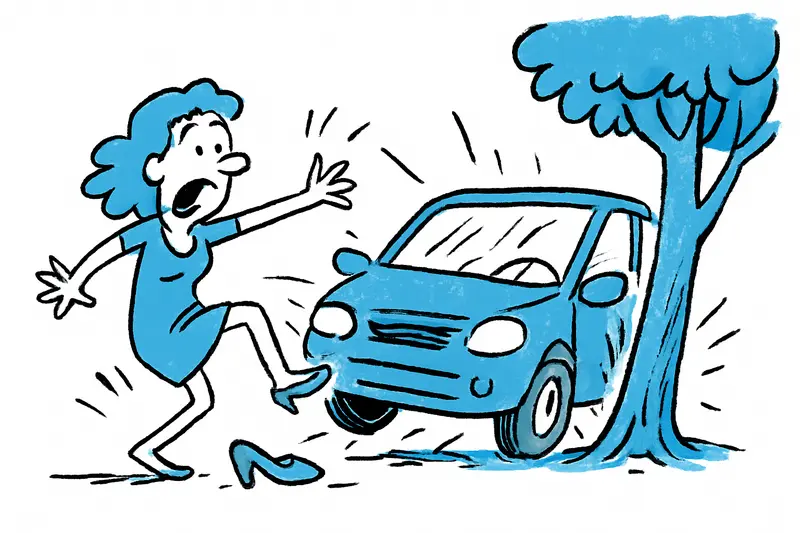
High heel slips, car accelerates: accident on Camí de Son Hugo
A woman lost a high-heeled shoe on the forecourt of the sports facility at Camí de Son Hugo. The car accelerated, mounte...
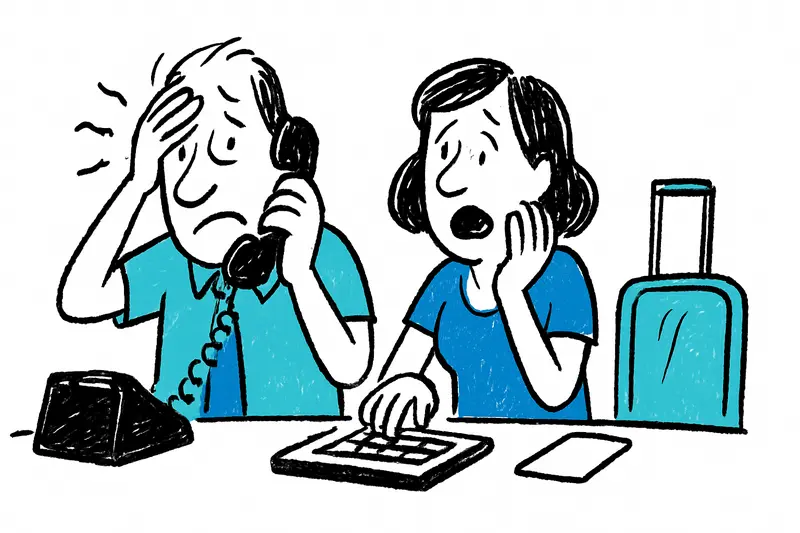
Phone Scam: How Two Hotel Employees at Playa de Palma Lost Thousands of Euros
One morning in September, two reception employees at Playa de Palma were pressured by alleged alarm-company staff — in t...
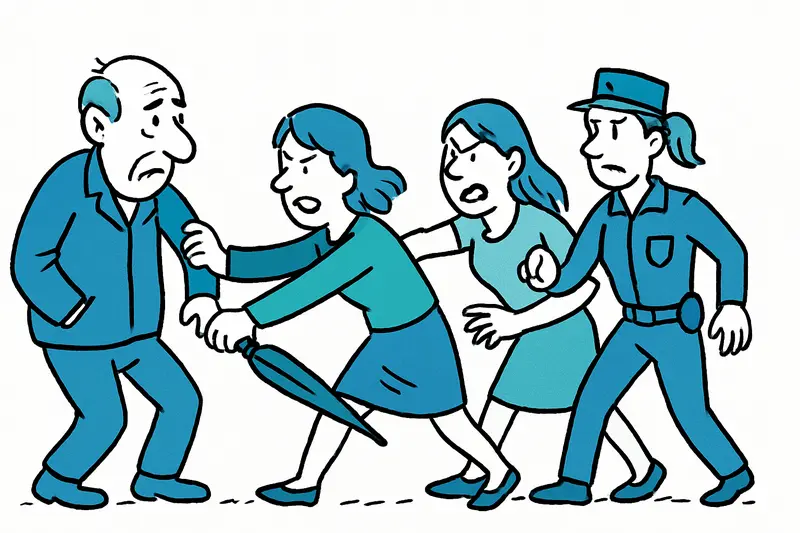
When the Wallet Becomes a Danger: Attack in Peguera and Lessons for Mallorca
In Peguera, two women are said to have stolen the wallet from a 75-year-old German couple. When the victim intervened, t...
Plata stays Plata: Young people take over, Llonguets remain
A small bar on Carrer de l'Argenteria will continue: Tolo Serra hands the place over to young Mallorcans at the end of t...
More to explore
Discover more interesting content

Can Cap de Bou

Townhouse Lleo 72
