

When the Bread Door Closes: Why Maria de la Salut Lost Its Last Bakery
When the Bread Door Closes: Why Maria de la Salut Lost Its Last Bakery
The only bakery in Maria de la Salut, a sales outlet of Forn de ca'n Joan Terès from Palma, has permanently closed. What does this mean for daily life in the village and what are the ways to fill the gap?
When the Bread Door Closes: Why Maria de la Salut Lost Its Last Bakery
A meeting place closes, the village will do its shopping elsewhere from now on
On a sunny Sunday morning, when the church bells on the Plaça are still reverberating and the scent of freshly baked ensaimadas would normally already be drifting through the streets, this time there was only silence in front of the shop. The business, which served as a sales outlet for Forn de ca'n Joan Terès from Palma, has pulled down its roller shutter for good. For Maria de la Salut, a small but important daily certainty ends: bread and sweet specialties are no longer just around the corner.
Key question: Why can a village like Maria de la Salut not keep its last bakery, even though demand is obviously present? This question is more than sentimental. It aims at structures, economic viability and the social value of local shops.
Critical analysis: The closure has multiple causes that often overlap. The branch was economically tied to a bakery in Palma; production ran centrally. That saves costs but also creates dependency. Rising logistics and personnel costs, pressure on margins, changing opening hours and the challenge of finding young successors for artisanal trades — all of this hits small locations harder than large stores in cities. In addition, residents now prefer to get in the car and drive to Inca or Palma for specialties or larger shopping trips. That robs local retail of the critical mass it needs.
What is missing from the public discourse: We mostly talk about tourism figures and major projects, but hardly about the infrastructure that sustains everyday life in rural areas. There is a lack of open debate about how municipalities can economically support the preservation of essential local suppliers without treating state subsidies as a permanent solution. Equally, there is not enough discussion about training and prospects for young craftsmen: how do you make a bakery attractive again for the generation that seeks its future in Palma, Barcelona or online?
Everyday scene from Maria de la Salut: Residents like Catalina and Francisca, who for years have picked up a bag of croissants in the morning and had a short chat, now face the choice of starting the car or hoping for delivery services. For older people who no longer want to drive at midday, the offering will be more inconvenient in future. The saleswoman, Maria Magdalena Ramis, who for more than ten years was the face of the branch, served the last customers on the final day standing in the doorway — with wet cheeks, because farewell and habit hurt.
Concrete approaches: A mix of local commitment and political incentives could close such gaps. Practical proposals include:
1) Cooperative instead of single operator: Villagers, the hospitality sector and retailers could jointly found an operating company. A cooperative reduces individual risk and engages customers through membership.
2) Shared bakery / shared oven: A smaller, municipally supported baking facility in the community center or at the weekly market would allow local bakers to work without high initial investments. Delivery routes from Palma would then be unnecessary.
3) Mobile supply: A weekly bakery van that serves several villages could at least ensure basic supply and fresh baked goods — combined with a pre-order system by phone that seniors can use.
4) Promoting young talent: Training campaigns in cooperation with the chamber of crafts and local schools, internships in businesses on Mallorca and incentives for start-ups (for example reduced rent for the first years) would make the profession more attractive.
5) Review municipal framework conditions: Flexible opening hours, tax relief or grants for modernization could be considered; this is a matter for the municipality, the island council and interest groups.
Not all proposals solve the problem immediately, but they do not offer nostalgia as the only answer. It is about a pragmatic mix of social will and economic reality.
Pithy conclusion: When a shop like the one in Maria de la Salut closes, a village loses more than a sales outlet — it loses a meeting place, routine and a piece of identity. The closure is not an unavoidable fate. With targeted local initiatives and a bit of political courage, rural supply can be stabilized again. Otherwise, in a few years the quiet question will arise whether the village is still worth living in if you can no longer go to the baker in the morning, but first have to drive to the parking lot at the town's edge.
For Maria de la Salut, the task now is not only to complain but to actively look: for a new form that bakes bread and builds neighborhood.
Frequently asked questions
When is the best time to visit Mallorca for outdoor activities?
Is the sea in Mallorca suitable for swimming most of the year?
What should I pack for a Mallorca trip in spring or autumn?
What are good day trip ideas from Palma?
How does Mallorca’s weather affect hiking and cycling plans?
What safety tips should I know for beaches in Mallorca?
What are practical tips for getting around Mallorca?
How should I choose a Mallorca beach for swimming and sunbathing?
Similar News

Parking dispute in Els Hostalets: When a gap leads to violence
A parking dispute on Calle Aragón escalated into a mass brawl at night. Why do trivial conflicts here turn bloody so qui...
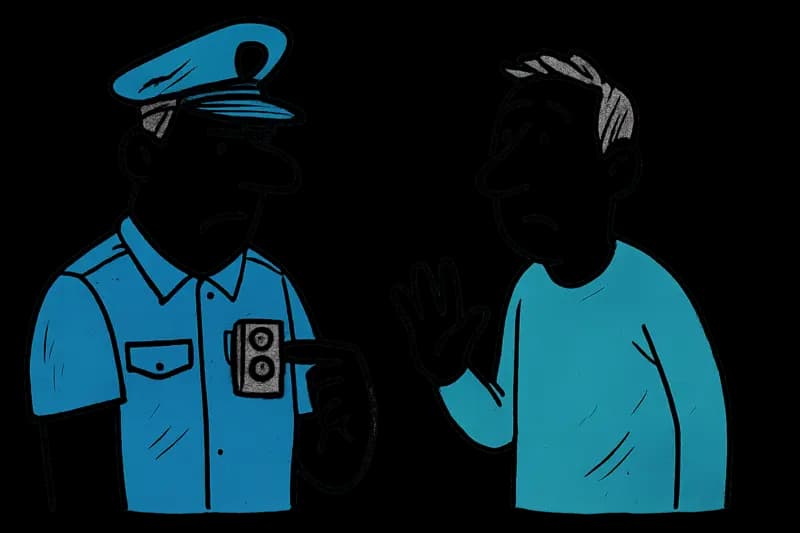
Bodycams in Palma: More clarity needed so surveillance doesn't become the norm
Palma's local police equip UII officers with Axon Body 4 cameras. Useful for evidence collection — but specific rules on...
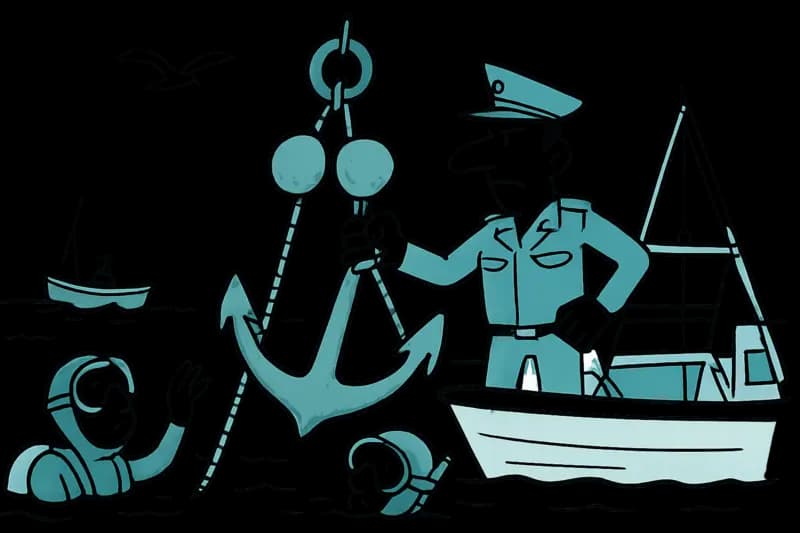
Ancient Piece Brought to Light: Guardia Civil Recovers Roman Anchor Fragment off North Coast of Mallorca
Divers from the Guardia Civil recovered a massive iron piece from Roman times off Mallorca's north coast. The roughly 35...
Who Benefits from the Half‑Hourly Flight on the Edge? Aena, Investments and the Island's Interests
Almost one billion euros is flowing into Son Sant Joan. The figures show the scale of investment and expected beneficiar...
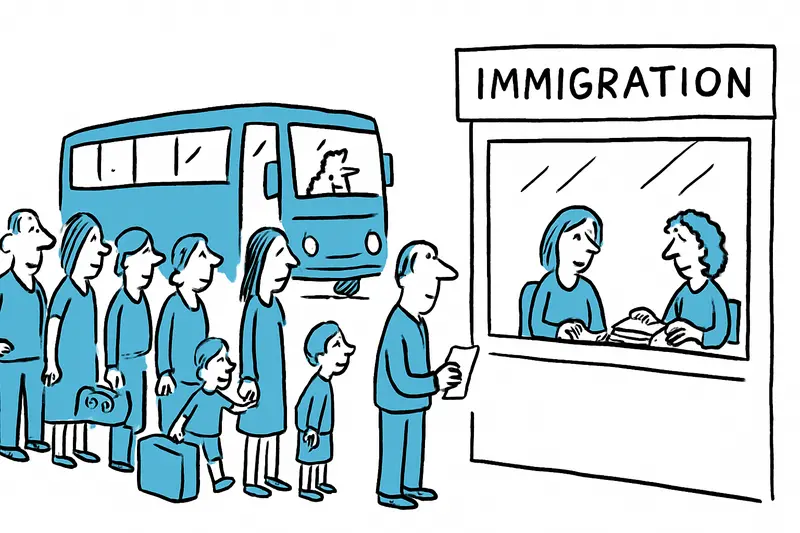
Are the Balearic Islands the Southern Border of Europe? A Reality Check on Immigration
The Balearic Islands are again calling for EU aid after a sharp rise in arrivals by sea. Conflicting priorities between ...
More to explore
Discover more interesting content

Can Cap de Bou

Townhouse Lleo 72
