
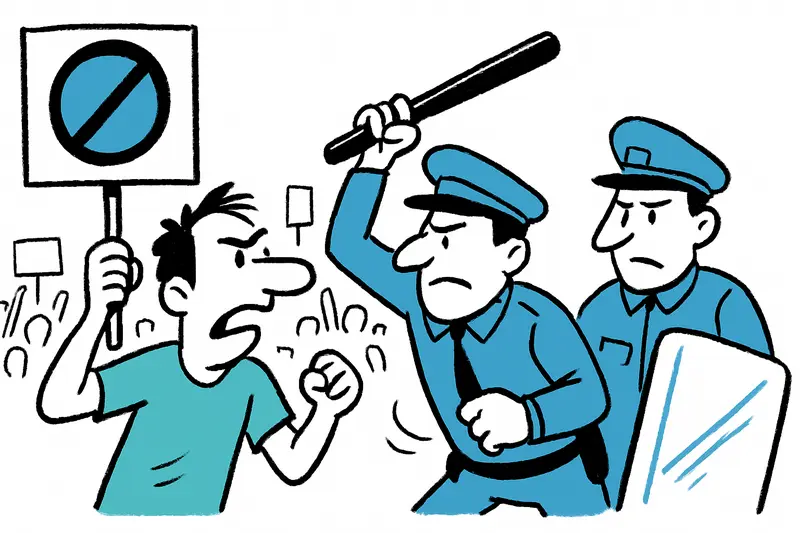
Mass tourism, protests, police violence: Who will investigate the incidents in Palma?
Mass tourism, protests, police violence: Who will investigate the incidents in Palma?
After the large rally in Palma the debate is not only about tourism, but above all about the relationship between police, politics and citizens. Who is responsible for the abuses – and why is the original demand for a different tourism model at risk of being lost?
Mass tourism, protests, police violence: Who will investigate the incidents in Palma?
Guiding question: What responsibility do officers, incident commanders and politicians bear – and how can investigations be conducted so that trust can be restored?
Sunday noon: the sun beats down over the Passeig des Born, delivery vans honk, visitors pass by street cafés, and a crowd gathers in front of the representation of the central government. It's hot; some carry shopping bags, others hold up signs against mass tourism. At the end of a long day the island finds itself wrapped in layers of conflict: it is no longer only about tourism but about images of police violence, competing narratives and the grinding trust between citizens and the state.
The facts as they currently stand: After a large rally, demonstrators protested the excesses of mass tourism; in the end there was an operation by the National Police, and there are now internal investigations against individual officers. The review is examining, among other things, whether baton use – apparently also directed at the head – violated regulations. At the same time the police leadership claims that officers were pressured by a group of up to 350–400 people. Political leaders spoke in different tones: the Secretary of State for Tourism described the demonstration as peaceful and criticized the police response, the regional government demanded clarification, and the central government's representative emphasized that operational decisions were made on site.
Critical analysis: three narratives clash and prevent rapid clarity. First, the view of the demonstrators: they see a right to protest and consider the police action disproportionate. Second, the account from the incident command: parts of the crowd were aggressive and the police had to react to ensure their own safety. Third, politics: while some actors condemn the measures as unacceptable, others place decision-making authority primarily with police leadership. Without neutral, verifiable facts, assessments remain subjective – and that fuels mistrust.
What is missing in the public discourse: an independent, timely and publicly comprehensible investigation. There appear to be numerous video recordings; who reviews them, with what methodology and according to which criteria is unclear. The perspective of those affected is also rarely visible: injured demonstrators, uninvolved passers-by or local business owners seldom have their say. The longer-term question – why people are so angry in the first place, i.e. the concrete design of the tourism model, housing issues, noise and burdens for residents – has largely receded in many conversations because police and political reactions currently dominate the spotlight.
Everyday scene: On Tuesday protests repeated in front of the central government building in Palma. Locals sit at a café on the Born with espresso cups, hear the slogans, see helicopters and a drone above the street and shake their heads. A taxi driver says he has often felt the atmosphere tense like this before; a shop owner nervously rolls down the awning further so that passing groups are not disturbed. Small observations like these show that the conflict affects everyday life for many – not just the participants in the demonstration.
Concrete approaches to solutions: 1) Independent investigation: the clarification must not remain solely within internal departments. An independent investigation under judicial or parliamentary oversight, with access to the relevant video recordings, is necessary. 2) Transparency regarding evidence: relevant footage should be reviewed – as far as legally possible and while protecting sensitive data – and the findings summarized and published. 3) Rethink operational tactics: more de-escalation, less escalation equipment close to citizens; clear protocols for when baton use is permissible; and mandatory bodycams with automatic data archiving. 4) Protection of the civilian population: measures that guarantee the safety of uninvolved persons and participants alike, such as keeping traffic lanes clear and defined routing to avoid encirclement. 5) Political dialogue on tourism: alongside the investigation, the question of a sustainable model for the island must be back on the agenda – with local forums, hearings for those affected and measurable steps to reduce overload.
Why this matters: if investigations and politics get lost in mutual accusations, the central demand of many demonstrators – namely a more sustainable tourism model – disappears from view. There is also a risk that future demonstrations will be met with even more militarized responses or that citizens, out of fear of repression, will use their right to assemble less frequently.
Concise conclusion: anyone who wants calm to return to Mallorca needs more than slogans and counter-narratives. What is needed is transparent investigation, real consequences for misconduct – and finally a constructive process to shape tourism in a way that residents, workers and visitors no longer stand in irreconcilable opposition.
Frequently asked questions
Who should investigate police actions during protests in Mallorca?
What steps ensure transparency in protest investigations in Palma?
How can authorities reduce violence and improve safety during demonstrations in Palma’s central areas?
Why is there mistrust in discussions about mass tourism in Mallorca?
What long-term issues fuel protests about tourism in Mallorca?
How should video footage from protests be used in investigations in Mallorca?
What measures protect residents and businesses during protests in Palma’s city centre, such as around Passeig des Born?
What changes to Mallorca's tourism policy could help prevent future clashes?
Similar News
Plata stays Plata: Young people take over, Llonguets remain
A small bar on Carrer de l'Argenteria will continue: Tolo Serra hands the place over to young Mallorcans at the end of t...
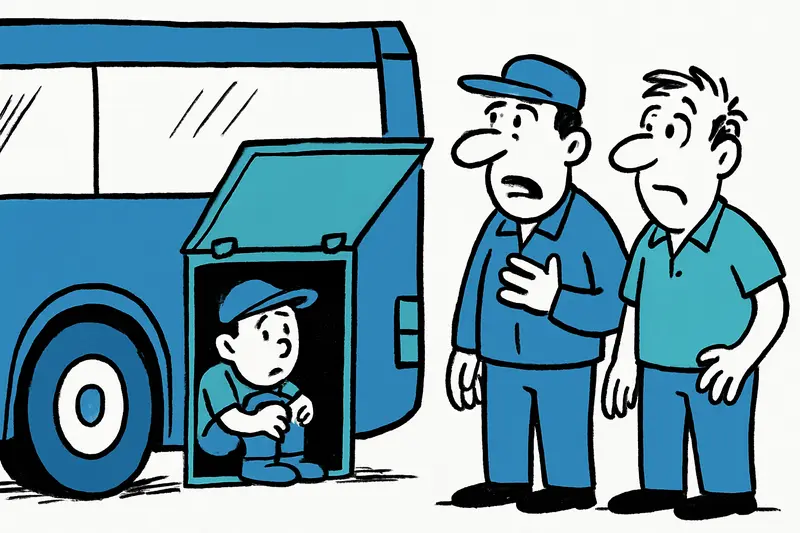
Unnoticed in the Luggage Compartment: How a Boy Traveled More Than 100 Kilometers in a Team Bus
A minor traveled in the undercarriage of a team bus for more than 100 kilometers until his cries for help were heard. A ...

Cap Vermell Grand: Second Michelin Key – a Gift for the East
The Cap Vermell Grand in Capdepera has been awarded its second Michelin key. For the region this elevates the luxury off...
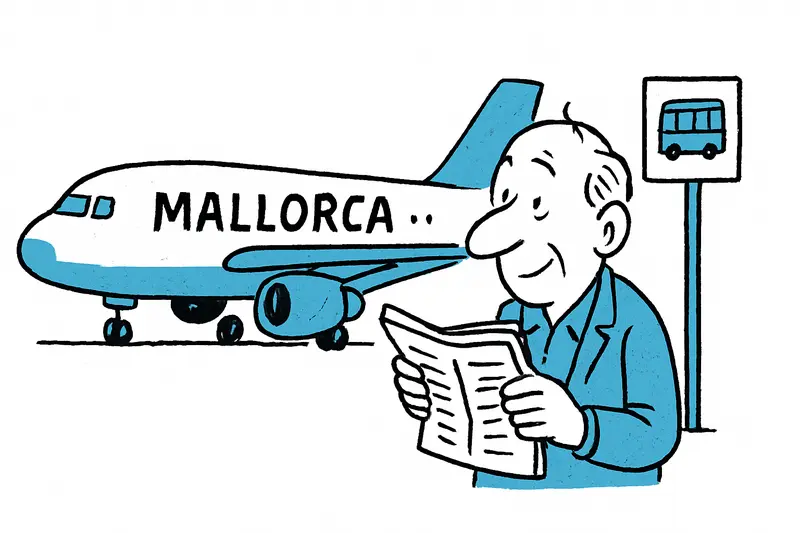
Eurowings lets four aircraft carry names – a friendly idea that also reaches Mallorca
Eurowings is launching a campaign: four Airbus A320s are to carry the first names of people who help others in everyday ...
From the Reality Studio to the Pitch: Aleks Petrovic Makes Mallorca His Base
The former participant in numerous TV shows moves from Dubai to the island and launches a project with FC Germania Mallo...
More to explore
Discover more interesting content

Can Cap de Bou

Townhouse Lleo 72
