
Medics On Board: Faster Help for Mountain Rescues in the Balearic Islands
Medics On Board: Faster Help for Mountain Rescues in the Balearic Islands
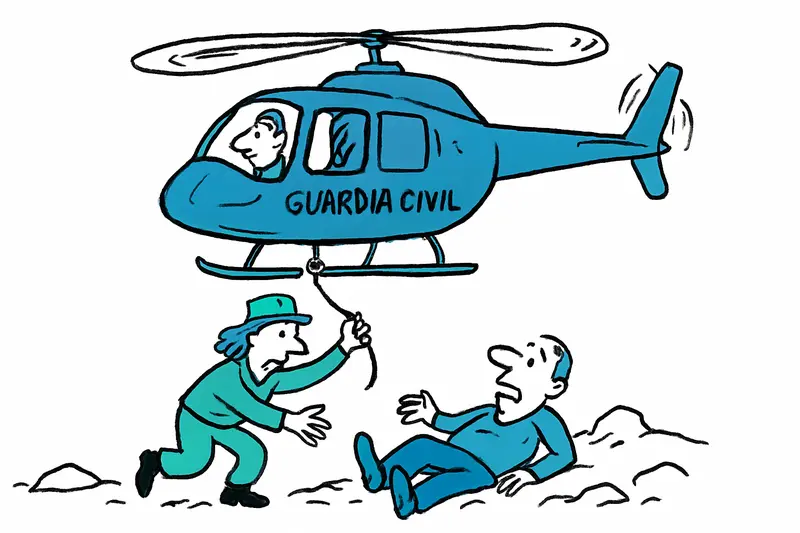
From June, medical professionals will fly aboard the Guardia Civil rescue helicopters in the Balearic Islands. Seven doctors and nine nursing staff were specially trained to examine and stabilize injured people at the scene.
Medics On Board: Faster Help for Mountain Rescues in the Balearic Islands
From June 2026, medical personnel will fly aboard the Guardia Civil rescue helicopters in the Balearic Islands. Seven doctors and nine nursing staff have completed special training so they can provide immediate care to the injured on site.
If you sit on a warm morning at the Passeig del Born with a coffee and look toward the switchbacks of the Serra de Tramuntana, you've probably heard the helicopters buzzing before. Until now, such an operation often meant: load the patient, take off and fly straight to the nearest hospital; this limitation was visible in incidents like Four rescue operations in one afternoon, showing helicopters do not always solve capacity problems. With medics now deployed on site, this process can be shortened. The teams can examine and stabilise the injured and thereby often buy vital minutes.
The Guardia Civil conducts on average around 350 mountain rescue missions per year in the Balearics. Many of these take place on remote trails in the Tramuntana, on steep coastal sections near Formentor or in isolated parts of the islands; this seasonal pressure is illustrated by 115 rescue missions between May and September. In such situations, when the nearest ambulance is far away and time is critical, having medical expertise on board is particularly valuable.
For locals and holidaymakers this means more tangible security. A hiking group near Puig Major can rely on the fact that initial care does not only begin in a closed cabin but immediately while the rotors are still turning. For relatives in Palma whose Sunday outing on the coast is abruptly interrupted, it means faster information about the condition of the injured person and less uncertainty.
The move also shows how rescue services are coming together in heavily used landscapes. Doctors, nurses and pilots will work more closely, procedures will be practised and medical equipment on board will be expanded. This reduces the time to life-saving treatment and cuts down on unnecessary transfer flights, saving resources.
What remains to be done? The presence of the teams should be accompanied by public information efforts: hiking maps with emergency instructions, clear markings of hard-to-reach paths and local first-aid courses in communities like Sóller or Valldemossa. On Majorca it is common to see neighbours supporting each other — a small first-aid course for hotel staff, mountain guides and campers could defuse many minor accidents before professionals need to intervene.
In the end, it's a reassuring feeling when on a hot day the church bells of Palma ring and a helicopter circles above the mountains, this time with medical competence on board. For the people on the islands, this is a tangible improvement: fast, qualified help where it is needed most.
Frequently asked questions
What does yellow weather warning mean in Mallorca?
Is it safe to go to the beach in Mallorca during bad weather?
What should I pack for Mallorca when rain or storms are forecast?
When is the weather usually best for swimming in Mallorca?
Can you still enjoy Mallorca if the forecast looks unsettled?
What is weather like in Mallorca during the off-season?
Is Palma de Mallorca affected by bad weather warnings?
What should families know before planning a day out in Mallorca during bad weather?
Similar News
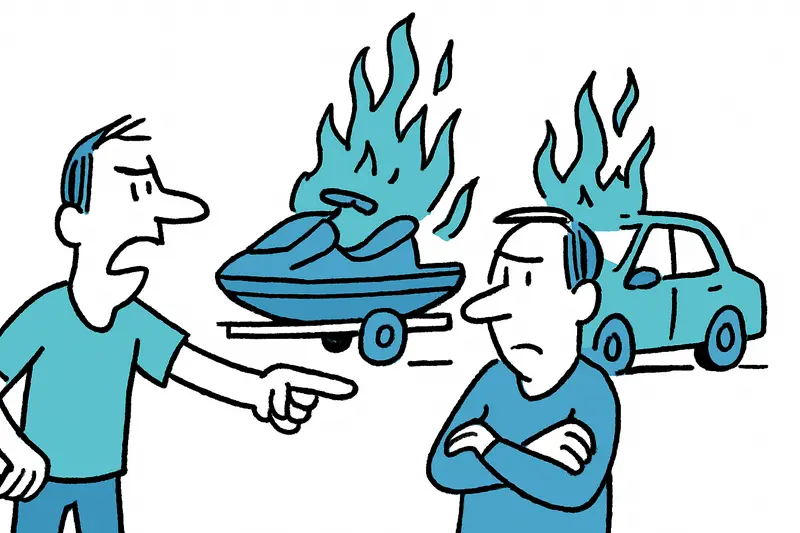
From Deposit to Arson: How a Dispute over Jet Skis in El Molinar Escalated
After a nighttime fire in El Molinar a detainee is in pretrial detention. How could a conflict between a rental company ...
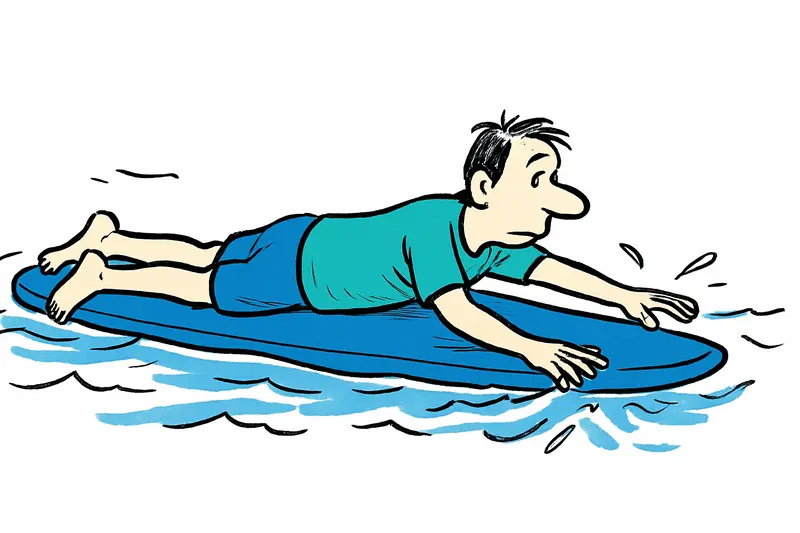
Lying Instead of Standing: How Prone Paddling Is Conquering Mallorca's Waters
On your belly across the sea — prone paddling is bringing fresh energy to Mallorca's watersports. Where to start, which ...
Housing Shortage in Mallorca: Assessment, Questions, Proposals
Over 2,000 new housing units through repurposing and special rules – sounds like a success. But do they really help peop...
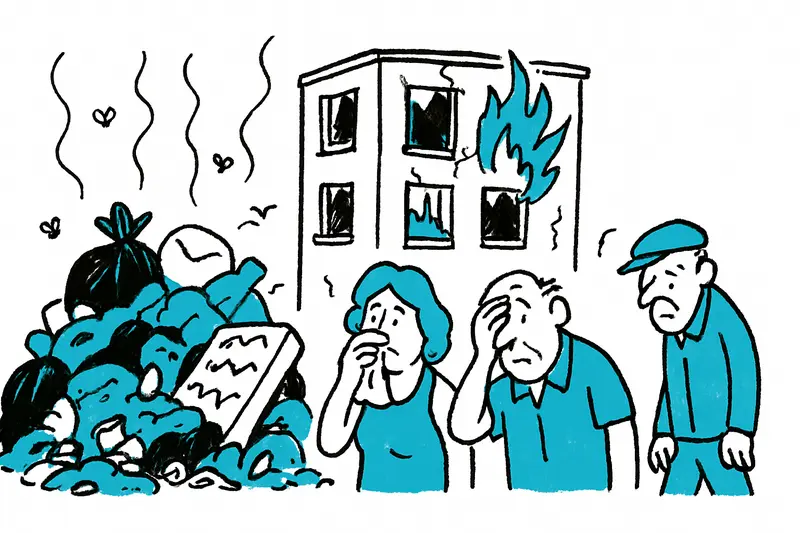
Garbage, Stench, Fire Risk: What Is Really Going Wrong in Son Bauló
An apartment ensemble illegally built for years near Son Bauló is falling into disrepair, largely occupied and creating ...

Legat on Mallorca: Between Football Dreams and Political Alarm
The former pro is intervening in German politics from Mallorca – loud, emotional, without much detail. What does that br...
More to explore
Discover more interesting content

Boat Tour with BBQ along Es Trenc Beach

Private transfer from Mallorca Airport (PMI) to Pollensa
