
Mediterranean off Mallorca: Record-warm sea — How dangerous are 27–29°C really?
Mediterranean off Mallorca: Record-warm sea — How dangerous are 27–29°C really?
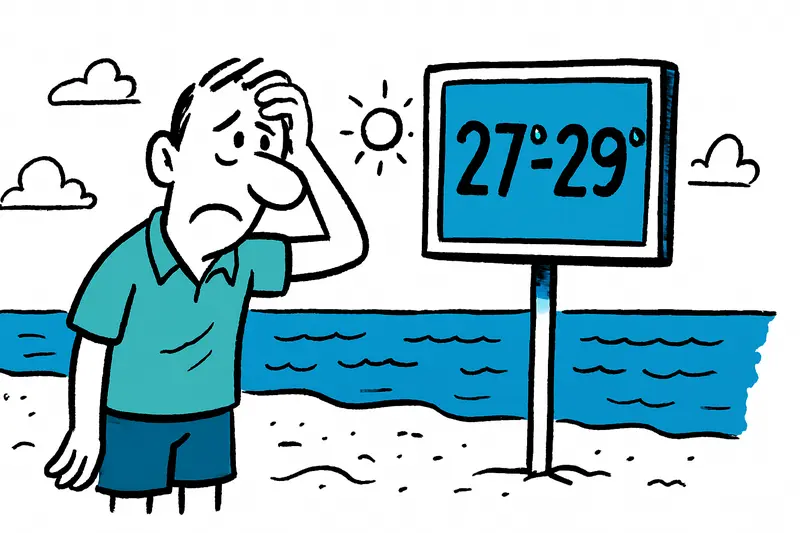
Measurement buoys report local temperatures up to 28.9°C. Copernicus registers May–June records in the Mediterranean. Key question: What consequences do these very warm seas have for the island, fisheries and tourism?
Mediterranean off Mallorca: Record-warm sea — How dangerous are 27–29°C really?
Key question: What do the current measurements mean for the environment, the economy and everyday life on the island?
On an early Wednesday afternoon the sun beats down from a blue sky over Palma, espresso cups clink on the Passeig del Born, and soft engine noises come from the harbour. At the same time, measurement buoys off our coast are reporting unusually high values: the station at Dragonera showed around 27.63°C at 12:00, and at Pollença even 28.9°C was recorded in the early morning hours. At European level, the Copernicus Marine Service reported a June monthly average of roughly 24.3°C for the Mediterranean, while the global seas were around 21°C at the start of summer.
In short: the water around Mallorca is noticeably warmer than the global average and, by Mediterranean standards, strikingly hot. The figures come from measurement networks that supply daily data — helpful, but they do not automatically answer what will happen next, as highlighted by Record Heat at 500 Meters Depth: Mallorca Faces an Invisible Danger.
Critical analysis: Warmer seas are more than just numbers. They shift ecosystems. Posidonia seagrass meadows, important for coastal protection and biodiversity, react sensitively to prolonged high temperatures and oxygen depletion. Higher temperatures favour algae-rich zones and jellyfish blooms — unpleasant for beaches and bathers, existentially threatening for fishers if fishing grounds shift. Warmer sea temperatures also change chemistry: less dissolved oxygen, altered nutrient cycles, and potentially more microalgae that promote fish diseases.
For the tourism sector this means: in the short term swimming remains popular and the water feels pleasantly warm, although Sea temperatures off Mallorca drop temporarily — temporary reprieve or false alarm? showed a brief fall. In the medium term, however, swimming bans due to blue-green algae, foul smells in coves or increased jellyfish can reduce beach quality. And the island economy faces unpredictable effects if fish stocks move away or fish diseases increase.
What is missing from the public debate: We talk a lot about heat days in Palma and falling crop yields, but too rarely about concrete local consequences of the warm seas; see Heatwave reaches 42 °C: How Mallorca should cope with the new temperature peak. There is a lack of:
• Visible local measurement displays at beaches to inform bathers in real time.
• Concrete plans for fishers whose fishing grounds are shifting.
• Transparent information about sampling (bacteria, toxic algae) at popular bathing spots.
• Financial support for conservation projects such as restoration of Posidonia meadows.
Everyday scene from the island: Anyone strolling in the morning along the harbour of Port de Sóller encounters looks that swing between enjoyment and worry: fishers checking their nets wonder whether this summer's catches will hold; beach vendors at Playa de Palma notice that the season is starting earlier than before. An older swimmer in Cala Major says he has never experienced such warm water — lovely for bathing, worrying for the future.
Concrete, immediately implementable measures:
1) More transparency: Municipalities could install digital displays at busy beaches showing sea temperature, warning levels for bacteria and jellyfish, and findings on toxic algae. 2) Support network for fishers: Regional authorities should provide flexible fishing windows and short-term funds for retraining and technical adaptation. 3) Expand monitoring: Systematically link existing Copernicus and MyOceanPro data with local measurement networks (buoys, harbour measurements, cooperation with AEMET). 4) Promote protection and restoration of Posidonia meadows — through designated protected zones, anchoring bans and financial incentives for sustainable boating areas. 5) Public outreach: Clear, local guidance for visitors (e.g. behaviour around jellyfish, when to avoid swimming) instead of vague warnings.
Many of these steps are not particularly expensive. However, they require decision-makers to break the subject down from the abstract level of climate discussion to practical island policy — and to do so now, not only once the first beaches are full of jellyfish.
Conclusion, pointed: 27–29°C off Mallorca are not a pleasant summer detail. It is a warning sign. We must not wait for national or international headlines to act locally. A few digital displays on the Passeig, regular analyses at popular coves and a support fund for harbour and fishing communities would help noticeably. The coming summers will decide how quickly and painfully marine ecosystems and the island economy must adapt.
If you plan a quick dip this afternoon: enjoy it, but keep an eye on the coast. And ask the lifeguard at your beach for the latest measurement — it's closer and often more up to date than the evening news headline.
Frequently asked questions
What does record-warm water off Mallorca mean for the island's environment and economy?
How warm is the sea off Mallorca right now, and is it safe to swim?
What concrete steps can Mallorca take to address warmer seas on beaches?
Could warmer water shift Mallorca's fishing grounds this summer?
What should visitors know about jellyfish, algae, or bacteria warnings on Mallorca beaches?
Why are Posidonia seagrass meadows important to Mallorca’s coastline, and how might warming affect them?
How reliable are Mallorca's sea temperature measurements, and how should bathers use them?
When is the best time to visit Mallorca’s beaches given the warmer seas?
Similar News
Chairs gone, debate remains: Who can really use Palma's Born in the evening?
The city had terraces on Passeig del Born dismantled shortly before a planned public action. A conflict between restaura...

The 'Fifth Season' in Port d'Andratx: A Pool That Looks Down
An unusual 39.2-meter yacht is currently moored at the Port d'Andratx Yacht Club: black-grey, with plenty of glass and a...

Missing 24-year-old from Bavaria found on Mallorca
The 24-year-old woman from the Augsburg area who had been missing since August 3 was found on Mallorca. Family members, ...

Heat and Power: Why the Balearic Islands Are Sweating Now — a Reality Check
Weeks of heat waves, rising cooling demand and suddenly flickering lights: Mallorca, Ibiza and Formentera have seen an i...

When the Water Taps Run Dry: Why Tankers Are Not the Solution
In villages like Deià, Valldemossa or on Menorca, municipalities are limiting water use because of drought. Who decides,...
More to explore
Discover more interesting content

Boat Tour with BBQ along Es Trenc Beach

Private transfer from Mallorca Airport (PMI) to Pollensa
