
Military and Police in the Tramuntana: A Reality Check for the Solar Eclipse
Military and Police in the Tramuntana: A Reality Check for the Solar Eclipse
Soldiers and thousands of police officers are to secure the Tramuntana on August 12. A necessary precaution—or overkill in a sensitive natural area? A look at risks, gaps, and practical solutions for locals and visitors.
Military and Police in the Tramuntana: A Reality Check for the Solar Eclipse
On August 12 the Serra de Tramuntana will be plunged into darkness for minutes, as detailed in Total Solar Eclipse 2026: Opportunities, Risks and How Mallorca Should Prepare. What now appears in duty rosters and operations centers: soldiers from the Palma 47 regiment will patrol from August 10 to 14 in municipalities such as Estellencs, Banyalbufar, Deià, Valldemossa, Escorca and Fornalutx. The Guardia Civil is mobilizing thousands of forces nationwide and plans a presence at hundreds of observation points. The central question that concerns us: Is military presence necessary for a scientific spectacle in a protected mountain landscape—and if so, how must it be organized so that it helps rather than disturbs?
Critical analysis: proportion, coordination, environmental risks
From a security-logistical point of view, caution makes sense. Thousands of visitors, narrow mountain roads (think of the switchbacks of the MA-10), open ground without shade, full parking bays—all this increases the risk of accidents. Similar pressures have been reported during events like Mallorca by UTMB: When the Tramuntana Sets the Pace — Who Pays the Price?. But military patrols in natural and residential areas change the atmosphere. This deployment can act preventively, but it raises questions: What rules apply to operations in nature reserves? Who decides on access closures to forest tracks? How are local rescue services integrated? And not least: How will the presence affect everyday life in small villages—from milk deliveries to morning walks?
What is often missing in public discourse
Three things are missing in the discussion: first, clear, publicly accessible maps with restricted zones and designated parking areas; second, transparent information on the powers of soldiers on site—the military is not a substitute for civilian police work; third, a plan for waste, toilets and drinking water—otherwise all this ends up on field paths and in protected areas. The motto "eyes to the sky, park your car properly" is right, but too vague for an invasion wave of visitors.
Everyday scene from the Tramuntana
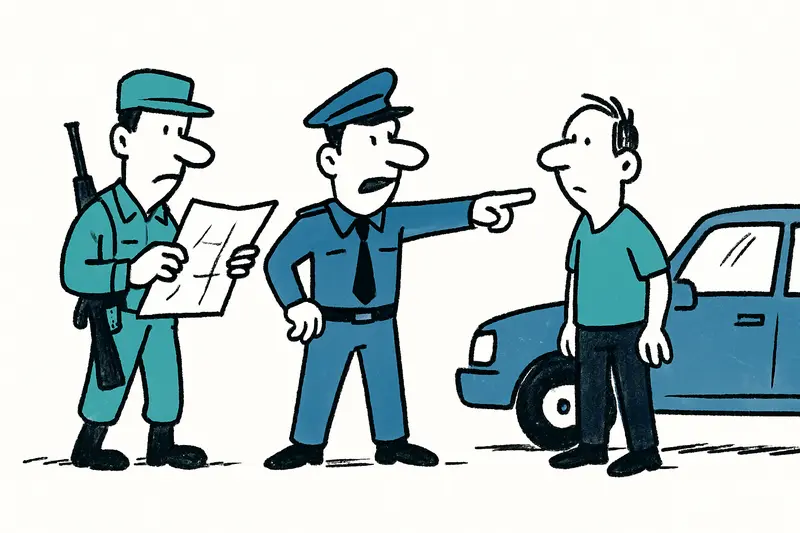
Imagine early morning in Deià: cicadas chirp, a farmer drives goats up the slope, the scent of pines in the air. On the MA-10 a rental car with a British license plate creeps around a bend, three people with solar eclipse glasses in the trunk. A military jeep passes slowly, two soldiers consult maps. This scene shows how seamlessly everyday life and the exceptional can merge—and how quickly a closure can cut a village bakery off from its customers.
Concrete solution approaches
It's not about denying presence but organizing it smartly. Proposals that could be implemented immediately: 1) an official, multilingual online map with restricted zones, permitted parking and shuttle routes; 2) on-site signage managed by volunteers or forest wardens so tourists do not stray into protected areas; 3) mobile waste and drinking water stations at main observation points; 4) coordination centers where military, Guardia Civil, civil protection and local mayors make daily arrangements; 5) shuttle and park-and-ride offers from larger places like Sóller or Palma to relieve the MA-10; see Sóller fills up: Hotels almost fully booked for the 2026 solar eclipse for context; 6) publicly communicated codes of conduct for observers (no access to fields, take your trash with you, do not disturb animals); 7) rules of engagement for soldiers and police, made visible so residents are not unsettled.
Why this is important
Without clear planning the chance grows that the natural event becomes a stress test for infrastructure and the environment. An empty fuel tank in a queue, a blocked hard shoulder, thoughtlessly discarded waste in a ravine—these are real consequences we already see in other peak holiday periods. Clear, visible measures protect both people and landscape.
Pointed conclusion
Military presence alone does not solve the problems that an influx of visitors to the mountains brings. It can be useful if it is part of a transparent, civil-coordinated plan. The authorities have deployed resources and personnel—now it is their task to provide information, direct routes and not turn the Tramuntana into a festival ground after the sky spectacle. For locals this means: plan early, inform neighbors and watch closely when soldiers move onto the village square. For visitors: respect the landscape and the rules—and please fill up the tank.
Frequently asked questions
Will there be military or police presence in Mallorca’s Tramuntana during the solar eclipse, and why?
How should visitors travel around the Tramuntana during the eclipse event?
What rules should observers follow at eclipse viewing points to protect the environment?
How will access to protected areas be managed during the eclipse in Mallorca?
Which towns in the Serra de Tramuntana are mentioned for patrols during the eclipse?
How might the eclipse-related presence affect daily life in Deià and nearby villages?
Where can visitors find official information about restricted zones and parking during the event in Mallorca?
What provisions are planned for waste management and water at observation points in Mallorca's Tramuntana?
Similar News
Magaluf: Watchtower Alarm – Lifeguards Pull Unconscious Beachgoer from the Water
After a drama in the late afternoon, two lifeguards at Magaluf beach rescued an unconscious 44-year-old man. He was stab...
Turquoise in the City: How dangerous is the color play of the Sa Riera?
The Sa Riera in Palma suddenly turned turquoise — a pretty motif, but behind the effect lies a discharge of saline waste...

Jeckliner at Sunnesching: Cologne spirit sets sail from Palma
In September 2027 the Mein Schiff 2 briefly becomes a floating carnival stage: four days with Cologne bands, comedy and ...
Finally Home: Mike and Leyla Heiter Buy Villa with Sea View in Mallorca
The reality TV couple Mike and Leyla Heiter have bought a house in Mallorca with a roof terrace and sea view. An Instagr...
Arrest after series in Palma: Who protects apartments from repeat offenders?
The National Police arrested a man in Palma who investigators say may have broken into several apartments. In one incide...
More to explore
Discover more interesting content

Can Cap de Bou

Townhouse Lleo 72
