
![[DECORATIVE]](https://olrieidgokcnhhymksnf.supabase.co/storage/v1/object/public/news-images//vermisster-urlauber-ibiza-gefundeen-ungeklaert-2391.webp)
Missing holidaymaker on Ibiza found – found, but many questions remain
Missing holidaymaker on Ibiza found – found, but many questions remain
A 26-year-old German, last seen in Santa Eulària des Riu, was reportedly found after days of searching, according to friends. Official statements from authorities are missing and the circumstances remain unclear. A reality check and concrete proposals for better procedures.
Missing holidaymaker on Ibiza found – found, but many questions remain
Relief is present. The explanation is not.
A young German, 26 years old, who had been reported missing since Saturday evening in Santa Eulària des Riu, has, according to messages from his circle, reappeared. Friends posted on social networks that he is okay. Exactly what happened in the hours in between cannot yet be clearly reconstructed: reports mention an altercation in a bar, injuries and the loss of a phone and wallet, transport by ambulance, and confusion because hospitals initially had no record of him. Official, detailed statements from the security authorities were not available in the afternoon.
This is both welcome and puzzling. On principle, it is good when people are found quickly. But when those affected are on the move without ID and without a phone and the chain of information between hospitals, police, consular offices and relatives does not work cleanly, the public is left with many questions. Here in Palma, at the café on Plaça Major, I heard this afternoon the same sentences you hear in any tourist hotspot: 'The main thing is he's okay', followed by 'How can something like this happen?' The scene: street sweepers, a bus driver whistling, an older couple watering plants – and anxious travelers exchanging nervous messages. These everyday fragments show how quickly small incidents become local conversation topics.
Key question: Why are there so many information gaps in cases like this, and how could the process be improved so that relatives are not left in the dark for days?
Critical analysis: First: social media fills the information gap, but it is no substitute for official communication. Friend groups can reassure or raise false hopes; reliable, timely information from authorities was apparently lacking. Second: procedures in hospitals and emergency registration do not always seem organized in a way that missing persons can be identified quickly – especially if they arrive without documents, a problem illustrated in past identification delays such as Solved seven years later: Dead man from Lloret de Mar is a 21-year-old German. Third: language barriers and the fragmented coordination among the island authorities play a role. In the Balearic Islands there are several independent emergency and police units; a quick, centrally accessible overview is often missing, as highlighted by broader missing-person incidents reported in the region like 18 People Missing off Mallorca — A Call to Politics and Society.
What is missing in the public discourse: There is little discussion about how travelers can be better protected preventively – through simple measures such as leaving emergency contacts with accommodation, keeping digital ID copies in secure cloud services, or through a more proactive role by hoteliers and bars in passing on information in serious incidents. There is also a lack of clear expectations for official communication: when does the Guardia Civil speak, when does the consulate step in, and what should friend groups report?
Everyday scene from island practice: Take the ferry to Ibiza: already in the waiting room you hear fragmentary conversations about people gone astray and lost phones. At check-in in a small private hotel in Santa Eulària the receptionist routinely explains that guests often have not saved the local emergency number. In those moments it becomes clear how vulnerable travelers are when they suddenly find themselves without documents or a phone – and how important clear procedures between hoteliers, restaurants, emergency services and the police would be.
Concrete solutions: 1) Standardized checklists in hospitals and emergency departments to quickly compare arriving patients with missing person reports. 2) Faster, centralized reporting centers at the Balearic level that pool information between the islands and can provide official status updates. 3) Simple prevention tips for tourists: a card with local emergency numbers, a digital copy of the passport in a secure app, and leaving an emergency contact with the accommodation. 4) Better information duties for venues and bars: in fights promptly pass on the details of those involved to the police. 5) Consular hotlines that can advise and help coordinate for relatives in a targeted way. 6) Volunteer networks and neighborhood groups that can quickly provide local support when someone goes missing.
These proposals are practical and affordable. They do not require large-scale reforms, but rather better coordination, clear responsibilities and simple technical tools. In smaller communities like Santa Eulària humanity is often present – the ideas just need to be organizationally anchored.
Conclusion: That the young man was found is a good outcome for his family and friends. However, the way the information surfaced – mainly via social networks – highlights the weaknesses of the existing structures; high-profile recoveries and investigations that raised many questions, such as Two bodies on the coast: Investigations in Ciutadella and off Alcúdia – Many questions remain, show the consequences of poor information flow. If we do not want every missing person to become a search on the internet, authorities, businesses and local actors must ensure that information flows faster, more reliably and more understandably. A found life is the most important thing. Better coordinated procedures would prevent the act of finding from itself becoming a second ordeal.
Frequently asked questions
What should I do if a holidaymaker goes missing in Mallorca?
Why can missing-person cases on Mallorca take time to clarify?
What information should I save before travelling to Mallorca?
How can hotels and bars in Mallorca help if a guest gets injured or disappears?
What happens if someone in Mallorca is taken to hospital without ID?
Is Santa Eulària des Riu a place where tourists can easily get separated from their group?
How can relatives get updates if a missing person in Mallorca has not been found yet?
What are the most important emergency habits for tourists in Mallorca?
Similar News
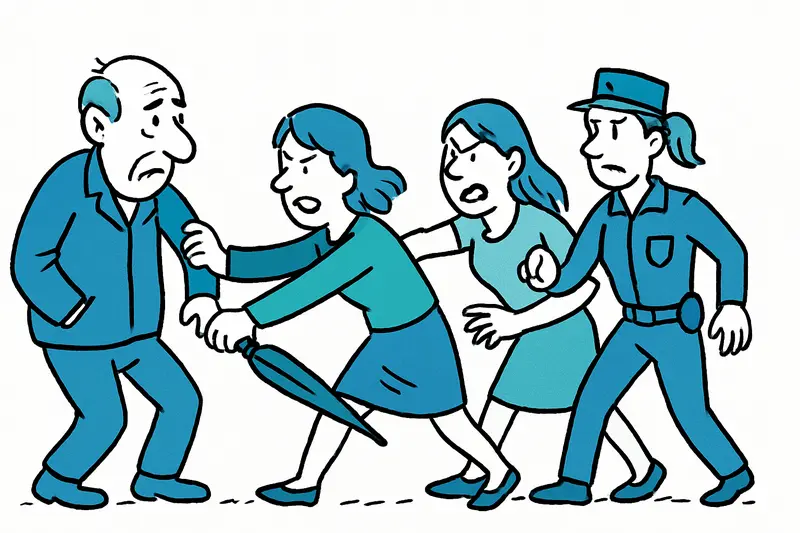
When the Wallet Becomes a Danger: Attack in Peguera and Lessons for Mallorca
In Peguera, two women are said to have stolen the wallet from a 75-year-old German couple. When the victim intervened, t...
Plata stays Plata: Young people take over, Llonguets remain
A small bar on Carrer de l'Argenteria will continue: Tolo Serra hands the place over to young Mallorcans at the end of t...
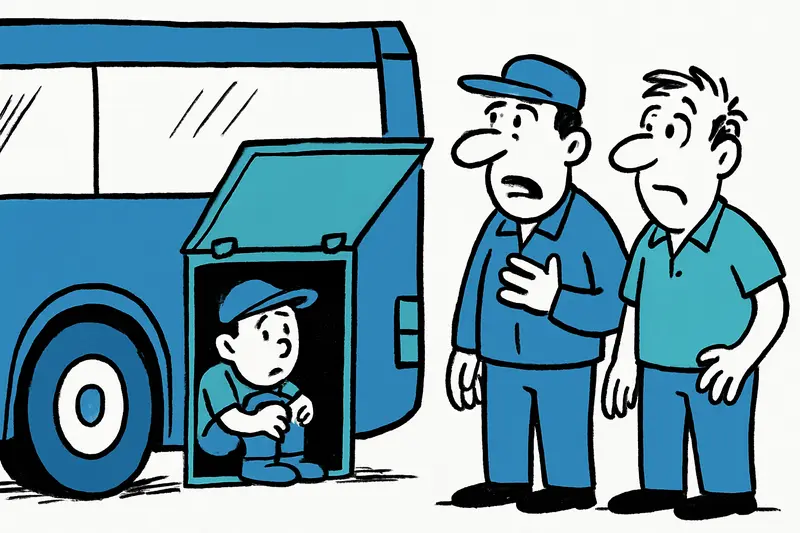
Unnoticed in the Luggage Compartment: How a Boy Traveled More Than 100 Kilometers in a Team Bus
A minor traveled in the undercarriage of a team bus for more than 100 kilometers until his cries for help were heard. A ...

Cap Vermell Grand: Second Michelin Key – a Gift for the East
The Cap Vermell Grand in Capdepera has been awarded its second Michelin key. For the region this elevates the luxury off...
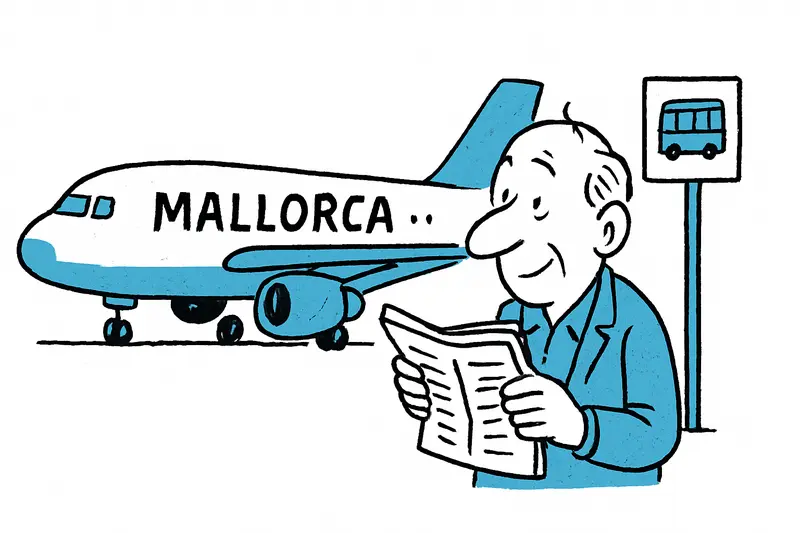
Eurowings lets four aircraft carry names – a friendly idea that also reaches Mallorca
Eurowings is launching a campaign: four Airbus A320s are to carry the first names of people who help others in everyday ...
More to explore
Discover more interesting content

Can Cap de Bou

Townhouse Lleo 72
