
Mold in the Sausage: A Reality Check for the 'Sam' Supermarket at Playa de Palma
Mold in the Sausage: A Reality Check for the 'Sam' Supermarket at Playa de Palma
A customer found moldy, expired sausage. Who is responsible — the supply chain, storage, or inspection failures? A critical look from Mallorca.
Mold in the Sausage: A Reality Check for the 'Sam' Supermarket at Playa de Palma
Key question: How can it happen that expired and moldy goods are sold in a German supermarket operating at Playa de Palma since 2007 — and who is responsible?
Brief summary of the case
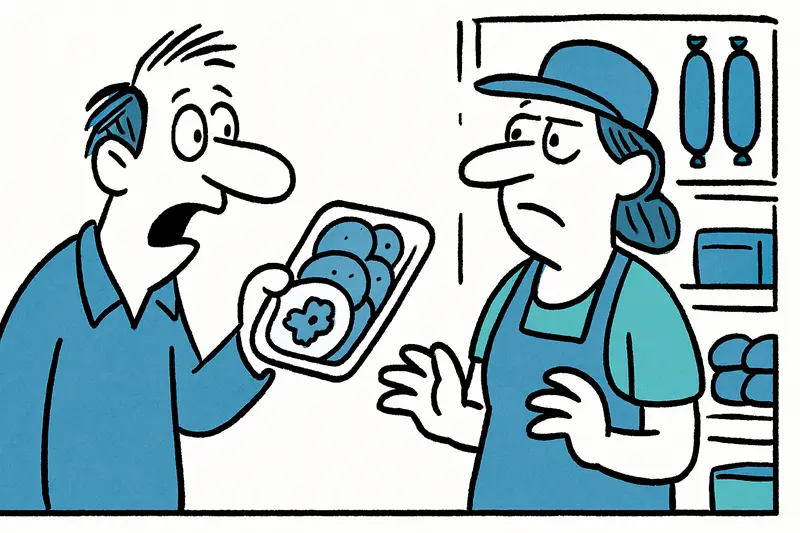
A resident bought a pack of sliced sausage in early January at the German supermarket "Sam" on Playa de Palma. At home he discovered a large patch of mold; according to him, the best-before date was already at the end of December. The customer complained in the store; a senior employee later confirmed that the product was moldy and took it back. After the incident, the customer informed other Germans in an island Facebook group.
Critical analysis
The incident is annoying, but it is also a window into several shortcomings: first, the supply chain. Imported goods from Germany travel distances and undergo handling; cold chains can break here. Incidents such as 231 kilos of spoiled meat: Guardia Civil reportedly seizes reprocessed goods at plant south of Palma show how problems in processing and distribution can lead to spoiled products. Then the in-store goods inspection: obvious mold should be noticed when stocking shelves. Finally, the reaction to the complaint: a shrugged shoulder, as reported, is not a system for error analysis.
The situation is made particularly complicated by different labeling: in Germany the best-before date (MHD) is common, while in Spain the expiration date is often used. This creates confusion for customers — not only linguistically, but when weighing risks. A product behind glass or in the refrigerated section with damaged packaging is more vulnerable; a tear, condensation or pressure marks can encourage mold growth.
What is missing from the public debate
We often talk about isolated cases and outrage. But the following points remain underexposed: Is there a systematic incoming inspection for imported refrigerated goods? Are delivery trips accompanied by temperature loggers? How quickly is a complaint protocol created — and are these data passed on to health authorities? Recent reporting, for example Salmonella Outbreak at Playa de Palma: How Did It Come to This?, underlines the need for rapid notification. And not least: how are employees trained to visually and sensorially check goods before they reach the shelves?
Everyday scene at Playa de Palma
Imagine the store: tour buses drive by outside, the air smells of sea and exhaust, an older lady pulls her shopping bag along the promenade, a hotel porter waits. Inside, quiet Spanish music plays, employees unpack boxes, the air conditioning hums. In a moment like that, a quick visual check decides whether a piece of meat goes into the shopping basket or the bin. This small action is for many customers the difference between a safe dinner and disappointment — especially when children are at the table.
Concrete solutions
1) Tighten incoming inspections: every refrigerated delivery should have a temperature logger or at least a curve protocol; damaged packaging should be sorted out immediately. 2) Signs and explanations in the store: short notices in German and Spanish about the difference between best-before and expiration dates help avoid misunderstandings. 3) Complaint protocol: a visible register with date, product, batch and measures taken, which can be presented to authorities if necessary. 4) Staff training: short daily checks for visual and smell inspection of fresh goods; responsibilities clearly assigned. 5) Cooperation with consumer protection and town hall: regular unannounced inspections build trust, as incidents such as Spoiled Fish in Palma — Who Is Responsible for 20 Tons of Spoiled Goods? illustrate. 6) For customers: always check packaging for dents, moisture or tears — and keep the receipt if in doubt.
What this means specifically for Mallorca
A supermarket that understands itself as a "piece of home" for many Germans on the island carries a special responsibility. Trust is built slowly and can collapse quickly. For an island that lives from tourism and residents, clean processes in the food supply are not a luxury but everyday protection. When families shop near the beach, they want to be sure that dinner does not pose a health risk.
Pointed conclusion
The mold in the sausage is not an isolated problem — it is a symptom. Several links are responsible: the supply chain, storage practices and the way complaints are handled. Those who want to learn from mistakes rely on transparent incoming inspections, clearer information for customers, better-trained staff and traceable complaint procedures. Then outrage becomes everyday safety again — and a piece of home at Playa de Palma becomes a place you can trust without a stomachache.
Frequently asked questions
What should I do if I buy mouldy food in a Mallorca supermarket?
Can chilled imported food in Mallorca go bad before the best-before date?
What is the difference between best-before date and expiration date in Spain and Germany?
How can I tell if refrigerated meat in Mallorca is no longer safe to eat?
How should supermarkets in Mallorca check imported chilled goods?
Where can consumers report spoiled food problems in Mallorca?
Why are imported German supermarkets on Playa de Palma under extra scrutiny?
Is it safe to buy sausage or other cold cuts near the beach in Mallorca?
Similar News

Several Days of Rain Approaching: How Well Is Mallorca Prepared?
Aemet says: rain from Thursday until at least Tuesday, especially heavy on Monday. Temperatures remain mild. A reality c...

Nervous Reaction at a Traffic Stop: Why Campos Is Not Just a Sniffer-Dog Problem
At a traffic stop in Campos a 37-year-old German was arrested with a bag full of drugs. Our reality check explains why s...

Cameras Against Illegal Dumping: Porto Cristo Monitors Problem Areas – a Reality Check
Manacor has installed four surveillance cameras at particularly problematic waste spots in Porto Cristo. A local check a...
Reality check: Palma's "white" torrent — harmless salt or neglected warning sign?
White crusts on the Torrent de Sa Riera are causing a stir. Emaya describes them as salt deposits. Our reality check: wh...
When Ryanair's fleet grows: What Mallorca's travelers should know
Ryanair will soon receive 737 Max 10 jets. The larger aircraft offer potential savings — but also new risks for flight o...
More to explore
Discover more interesting content

Can Cap de Bou

Townhouse Lleo 72
