
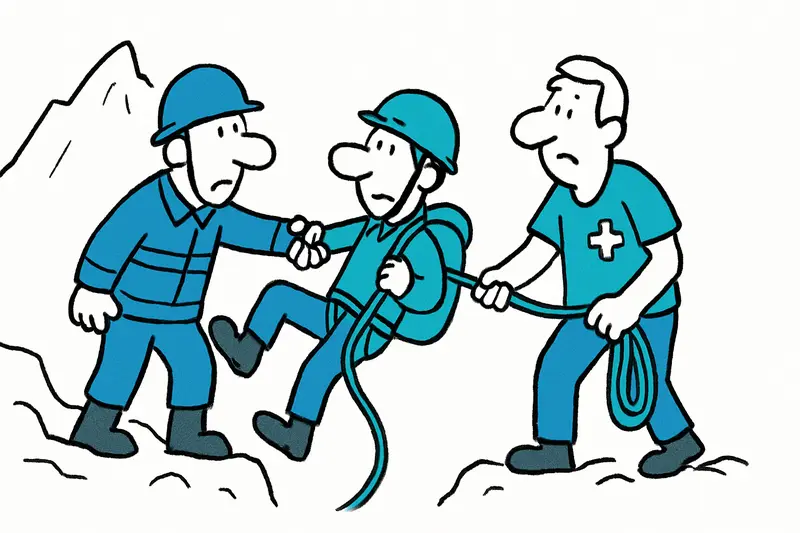
More Help in the Mountains: Paramedics and Firefighters Rehearse Joint Rescue Operations
More Help in the Mountains: Paramedics and Firefighters Rehearse Joint Rescue Operations
23 paramedics completed an endurance training from Biniaraix to the Cúber mountain hut. Two further tests for climbing and rope techniques will follow. Goal: to integrate medical personnel directly into the fire department's mountain rescue.
More Help in the Mountains: Paramedics and Firefighters Rehearse Joint Rescue Operations
Endurance test along the Torrent de Biniaraix shows: collaboration is being practiced in the field
Early in the morning, when the Tramuntana still pushes cold air over the rocky slopes and occasional shepherd dogs cross the path, 23 paramedics set out. Their route led from the small hamlet of Biniaraix up to the Cúber mountain hut. It was not a leisurely stroll, but a targeted endurance training carried out under realistic conditions.
The exercise was the kickoff to a series of tests intended to bring the medical teams of the 061 emergency service closer to the fire department's mountain rescue groups. In the coming weeks, two further tests are planned: a climbing course and a technical exercise with rope and rescue maneuvers. Similar coordination has been necessary on high-tempo days described in Four missions in one day: How fit is Mallorca's mountain rescue?.
This has tangible advantages for Mallorca. If medical personnel are already part of the mountain rescue group, decision-making and handovers during operations in difficult terrain are shortened. Instead of a double alarm with waiting times at a descent point, injured people would be stabilized and made transportable more quickly. Reducing delays can also lessen reliance on complex helicopter operations, a challenge highlighted in Dramatic Helicopter Rescue at Puig Major: Lessons from an Afternoon in the Tramuntana. For relatives and hikers this means: shorter waiting times and greater chances of good care at the scene of the accident.
During the exercise in Biniaraix it was visible and audible how well simple measures work: shared radio channels, coordinated march routes and standardized first-aid kits optimized for transport on a backpack. Such small things reduce chaos in stressful moments – a bond that brings the teams closer together before emergencies occur.
An observation from everyday life on the island: in the summer months it is not only experienced mountaineers who head into the Tramuntana. Increasingly you meet families, dog owners or recreational athletes on the old paths. When on a sunny weekend the parking lots at the Torrent de Pareis or the start of the Camí dels Reis are full, it becomes clear how important well-networked rescue services are. That trainings are already taking place in winter is therefore sensible – teams are prepared for the busy season. The scale of seasonal demand is documented in 115 Rescue Missions, Hot Trails: Why Mallorca's Mountain Rescue Got Busier — and What Helps Now.
Concrete steps that could further strengthen cooperation are quickly named and practical: regular joint training days throughout the season, a coordinated pool of lightweight carrying devices and modular emergency bags, and a binding list of radio channels and meeting points along the main trails. Also helpful: a short joint certificate for technical mountain rescue that mutually recognizes the qualifications of 061 personnel and the fire department.
The decisive factor remains attitude: when people on the island see that paramedics and firefighters do not just train side by side but together, trust grows. On the last ascent to the hut one often heard short, pragmatic agreements between steps instead of long commands – a sign that the teams are beginning to speak the same language.
For Mallorca this means more safety in the mountains, fewer unnecessary delays in accidents and tangible relief for volunteers who are often first on the scene. It is a good example of how practical training and mutual respect between institutions can make everyday life better. And anyone who next hikes up from the parking lot in Biniaraix can feel a bit safer: help now arrives even better prepared.
Outlook: one can only hope that the planned climbing and rope exercises bring practical improvements as quickly as the endurance test. If good intentions become true routine, the island gains a little more safety – step by step, summit by summit.
Frequently asked questions
Why are paramedics and firefighters training together in the Mallorca mountains?
What should hikers in Mallorca know about rescue times in the Tramuntana?
Is it safe to hike in Mallorca during the busy season?
What kind of mountain rescue training is being done in Mallorca?
What is the Biniaraix to Cúber route used for in Mallorca?
Why does Mallorca need better mountain rescue coordination?
What should I pack for a hike in Mallorca's Tramuntana mountains?
How do radio channels and meeting points help mountain rescues in Mallorca?
Similar News
Car on MA-13 near Inca in flames – a safety check for the island
A vehicle caught fire on the MA-13 towards Alcúdia on Tuesday afternoon. The driver was uninjured, the car was destroyed...
Real Estate in Mallorca: Fewer Buyers, Higher Prices — What's Behind It?
Sales on Mallorca are falling, yet prices continue to climb. Why fewer transactions do not equal relief — and what shoul...
Just Bought — Already Trouble: Water Damage in the Heiters' Villa and What Owners in Mallorca Should Know Now
A newly purchased sea-view property — and within days a water damage. What risks lurk in new properties in Mallorca, and...

Rich, Richer, Mallorca? A critical look at the growing super-rich bubble
Numbers: Around 3,600 millionaires in the Balearic Islands hold a combined €27.6 billion. What this concentration of wea...
Chain reaction on the MA-1: Eight injured in rear-end collision near Portopí
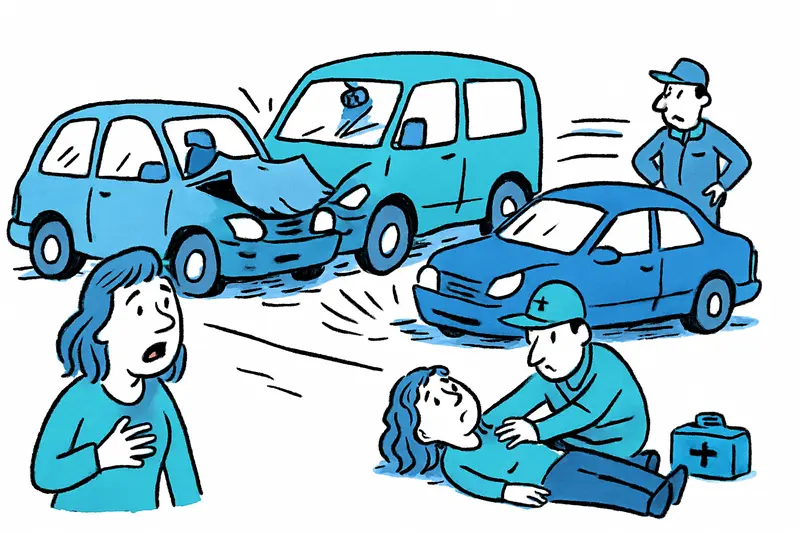
On Tuesday morning there was a crash at the Andratx exit to the MA-1 towards Palma: a rear-end collision between a car a...
More to explore
Discover more interesting content

Can Cap de Bou

Townhouse Lleo 72
