
More than 1,000 deaths on the Algeria–Balearic route: Who searches — and how?
More than 1,000 deaths on the Algeria–Balearic route: Who searches — and how?
An NGO report counts 1,037 deaths on the Algeria–Balearic route in 2025. Time for a reality check: Why are so many people dying off our coasts — and what would need to change?
More than 1,000 deaths on the Algeria–Balearic route: Who searches — and how?
Reality check on the humanitarian situation off Mallorca's coasts
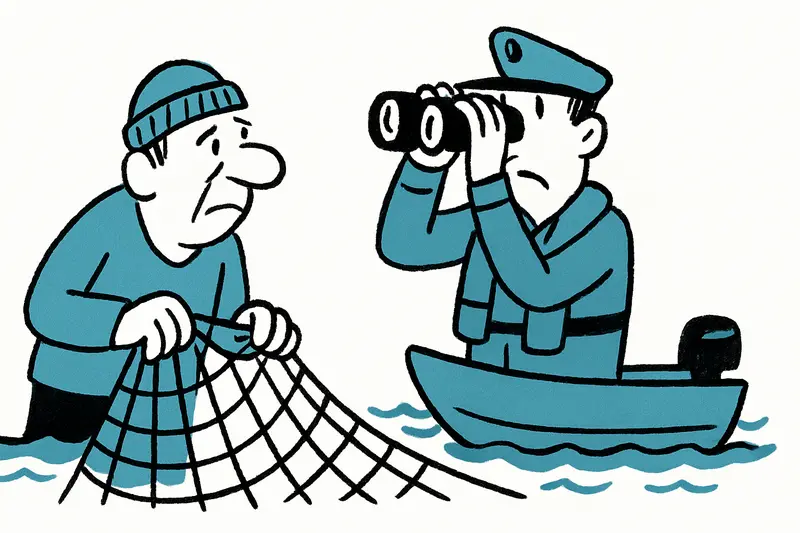
In the morning, when fishermen cast their nets in the harbour of Port de Sóller and gulls cry overhead, the sea seems harmless. In truth, a bloody shadow lies over the waters between Algeria and the Balearics: according to the report by the aid organisation Caminando Fronteras, at least 1,037 people have died on this route so far this year. Overall, the NGO counts at least 3,090 fatalities for Spain in 2025, including 192 women and 437 minors. The figures read like statistics — and yet they are bodies in the water.
Key question: Why do disasters occur so often on this route — and who is responsible for searching for the missing? This is not only about assigning blame but about the system: who coordinates, who funds and who makes operational decisions when boats get into trouble? (See also 18 People Missing off Mallorca — A Call to Politics and Society.)
Critical analysis: Caminando Fronteras documents 121 maritime accidents on the Algeria route; in 47 cases boats disappeared completely, with no survivors or bodies recovered, as reported in accounts of Two Dead on Balearic Coasts: When the Sea Withholds Answers. Especially many victims were recorded in January, October and November. The NGO criticises what it sees as a frequently passive stance by authorities: search efforts were often limited to coastal areas, while large-scale operations did not take place. Lack of coordination between authorities responsible for search-and-rescue regions makes rescues even more difficult.
What is missing from public debate: there is little concrete mapping of exactly where search operations take place or why facilities for wide-area search flights are not used. Also rarely discussed are the connections that bring people to Algeria — the route begins far inland in Africa or the Middle East and does not suddenly end off our shores (see for example the case Shipwreck at Cala Millor: One Dead, Many Questions — How Can We Better Protect People?). And there is a lack of honest debate about legal alternatives to the risky crossing, not only on moral grounds but also practically: safe admission procedures, humanitarian corridors, and regulated reception programmes.
An everyday observation from Palma: when I walk along the Passeig Marítim and see vans unloading fishermen, I think about how small our rescue world is. The coast guard, a few small boats and volunteers on land — on a stormy night with dark seas this is often not enough. Conversations with people from the harbour reveal a mixture of compassion and resignation. “We do what we can,” says an old fisherman, meaning he will put out a small inflatable boat if he sees a floating object. That sense of being overwhelmed was also visible during the recent surge of boat migrants, when 122 people were recovered off the Balearics in a single day.
Concrete solutions: first, binding coordination protocols for large-scale search-and-rescue operations between Spain, Algeria and international rescue services; second, expansion of effective air and sea search capacities during critical periods — including with EU support; third, transparent data sharing: where were operations conducted, which areas remained unsearched? Fourth, systematic investigation of disappeared boats instead of bureaucratic file-closing; fifth, preventive measures along land routes and legal access paths to Europe so that people do not have to risk their lives in overcrowded inflatables.
Politics should also not downplay the role of rescue NGOs: their expertise in documentation helps expose gaps. Instead of criminalising them, clear interfaces for cooperation and independent evaluations of operations are needed. And finally: better care and protection for particularly vulnerable groups — women, children, and people with health problems.
What does it cost? More transparency and coordination are above all political choices, not magic bullets. Expanding search capacities does require money — yes. But it must be weighed against the avoidable cost in human lives and the long-term consequences of a policy that accepts risk instead of reducing it.
Sharp conclusion: these deaths are not collateral damage from a natural disaster; they are the result of manageable decisions — or their absence. Mallorca and the neighbouring islands are geographically at the centre of the tragic statistics. Here the sea does not stop demanding lives at the shoreline; here search, rescue and reception routes must be visibly improved, otherwise the so-called normality of death will continue to grow.
Frequently asked questions
Why are so many people dying on the Algeria–Balearic route?
Who is supposed to search for missing boats off Mallorca and the Balearic Islands?
Are search efforts off Mallorca limited to the coastline?
What months are most dangerous for crossings toward Mallorca?
What can people in Mallorca do when they see a boat in trouble at sea?
Why does the report call for more air support in sea rescues?
Is the sea between Algeria and Mallorca a common migration route?
What solutions are being suggested to reduce deaths off Mallorca?
Similar News
Near-miss on Lanzarote: Landing Ryanair Jet and Iberia Takeoff — what really went wrong
On Lanzarote there was a dangerous incident: A Ryanair flight (FR5910) from Dublin landed on runway 03 while an Iberia E...
Eurowings introduces new Premium Business seats on Mallorca routes
From December 1, selected Eurowings flights to Palma and other destinations will feature eight particularly generous sea...
Car on MA-13 near Inca in flames – a safety check for the island
A vehicle caught fire on the MA-13 towards Alcúdia on Tuesday afternoon. The driver was uninjured, the car was destroyed...
Real Estate in Mallorca: Fewer Buyers, Higher Prices — What's Behind It?
Sales on Mallorca are falling, yet prices continue to climb. Why fewer transactions do not equal relief — and what shoul...
Just Bought — Already Trouble: Water Damage in the Heiters' Villa and What Owners in Mallorca Should Know Now
A newly purchased sea-view property — and within days a water damage. What risks lurk in new properties in Mallorca, and...
More to explore
Discover more interesting content

Can Cap de Bou

Townhouse Lleo 72
