
Mosquito invasion in Mallorca: How serious is the risk — and what needs to be done now
Mosquito invasion in Mallorca: How serious is the risk — and what needs to be done now
After rain and a milder autumn, mosquitoes are multiplying in Mallorca. Which diseases are a threat, how are they monitored — and what can residents and authorities do concretely?
Mosquito invasion in Mallorca: How serious is the risk — and what needs to be done now
Key question: What is the actual infection risk for people in Mallorca this season, and are the current countermeasures sufficient?
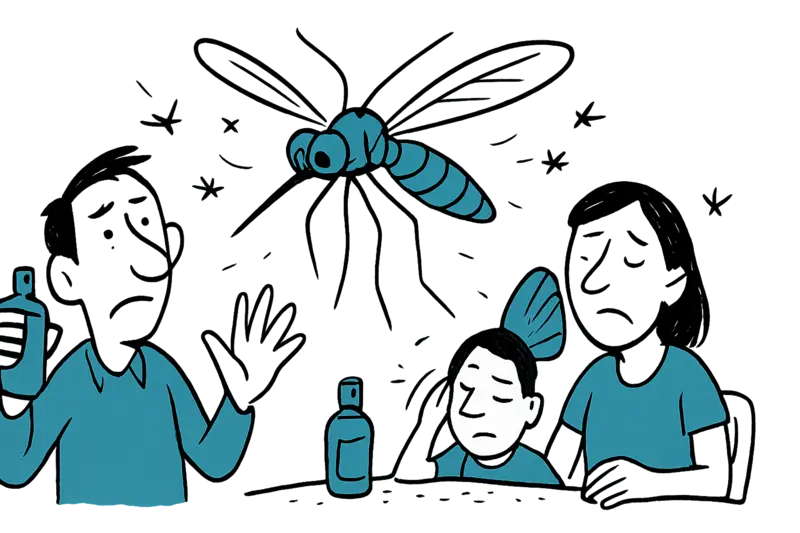
The answer is not just a number. After recent rains there are puddles in many street corners, as highlighted in Severe Weather Warning for Mallorca: Are Our Towns and Beaches Prepared?, in Santa Catalina you can hear buzzing between market stalls and scooters in the evenings, and on the Passeig Mallorca people sit at tables with insect repellent. These everyday scenes show how quickly a local nuisance can turn into a health problem.
Critical analysis: On the Balearic Islands, the West Nile virus was recently detected in animals — especially on Menorca — with several horses affected. Spain's health network recognizes West Nile as a seasonally relevant risk, and in 2025 Spain reported several human cases with comparatively high mortality. At the same time, tropical vector species such as the tiger mosquito, which can transmit dengue, chikungunya and Zika, are increasingly present. Climatically, the active season for mosquitoes is lengthening. This combines higher vector numbers with more points of contact between people and mosquitoes — a situation in which the risk rises, but an outbreak does not automatically follow.
What is often missing from the public debate: concrete figures for Mallorca itself, transparent maps showing trap locations, clear information on which mosquito species dominate locally, and a comprehensible prioritization of measures. Mentioning cases in horses on Menorca is important, but for Mallorca residents it often remains unclear how close the threat really is.
An everyday example: A family in Portixol doesn't wipe away the small puddle next to the bicycle shed after the rain because it's always such a chore. Two houses down there are open cistern covers and clogged gutters. Such avoidable accumulations of water are breeding sites — and they show why prevention is not only a governmental task but a neighborhood problem.
Concrete approaches: First, transparency and local data: authorities should publish trap locations, tested samples (positive/negative) and species distribution publicly and up to date. Second, expand targeted vector surveillance: more traps on settlement edges, regular testing for West Nile, Usutu and other arboviruses, and serological testing in horses and donkeys are needed. Third, maintain and expand blood donor screening to avoid missing asymptomatic infections. Fourth, municipal infrastructure: regular cleaning of drains, embankments and cisterns, public actions to remove small water collections and a subsidized program for mosquito nets and repellents for at-risk groups, as urged during Orange Alert: How Mallorca Is Preparing for a Wet Late Summer. Fifth, targeted, ecologically compatible measures in wetlands and stables — larvicides where appropriate and mosquito nets in horse stables — instead of broad, uncontrolled spraying campaigns.
Also required: multilingual education campaigns for locals and tourists, notices in hotels and at ferry terminals, and the inclusion of veterinarians in the reporting chain. For policymakers this does not mean panic mode, but an honest prioritization of resources: preventive control costs less than a later health crisis.
If resources are lacking, pragmatic steps would make sense: neighborhood checks (volunteer teams), mobile information units at weekly markets, making repellents available in health centers and clear action recommendations for GPs and emergency departments — for example, which symptoms should be investigated and how samples should be routed — approaches similarly urged in Storm Alert: Is Mallorca Prepared for the Deluge?.
Concise conclusion: The mosquitoes are more than just annoying; they are indicators of a changing risk that requires local responsibility and better information policy. Those who now demand cleaner drains, sealed cisterns and clear public data do more for the island's health than a nearly helpless rush into spraying campaigns. In short: less alarm, more prevention — and better organized.
Frequently asked questions
When is the best time to visit Mallorca for sunny weather and pleasant seas?
What should I pack for a trip to Mallorca?
Can I swim in Mallorca during spring or autumn?
What are family-friendly activities to do in Mallorca?
What are the best ways to get around Mallorca?
Which Mallorca beaches are good for families or a quieter day by the sea?
Are there good day trips in Mallorca for scenery and culture?
Is Mallorca safe for solo travelers and what should I know about local etiquette?
Similar News

Boutique Hotel Ranking: Two Mallorcan Hotels in Spain's Top 25
A new ranking based on guest reviews places two hotels from Mallorca among Spain's 25 best properties with fewer than 50...
Who will be allowed to serve at the Formentor Lighthouse going forward? A reality check
Three applicants — the revived Bar Cristal from Palma, the operators of S'Embat and the current concessionaire — are com...

Mozart Balls Return: Sweet Gesture by Austrian Airlines on Mallorca Flights
A small chocolate ball is bringing smiles again: Austrian Airlines is once more handing out Mozart balls to passengers a...

Malin Brown Says Yes: Ballermann Artist Married in Secret
The 35-year-old singer, known from the Ballermann stages, married her boyfriend Tim after nine months of engagement. Cel...
Waterspout off Cala Mesquida: How safe are beachgoers really?
On Monday a waterspout passed in front of Cala Mesquida and surprised beach visitors. A reality check: How well is the i...
More to explore
Discover more interesting content

Can Cap de Bou

Townhouse Lleo 72
