
Skid Hazard on the Vía de Cintura: Burst Pipe Triggers Serious Motorcycle Accident
A motorcyclist was seriously injured on the Vía de Cintura after an apparently burst water pipe flooded the right lane. The Guardia Civil is investigating — we examine causes, responsibilities and possible protective measures.
Skid Hazard on the Vía de Cintura: Burst Pipe Triggers Serious Motorcycle Accident
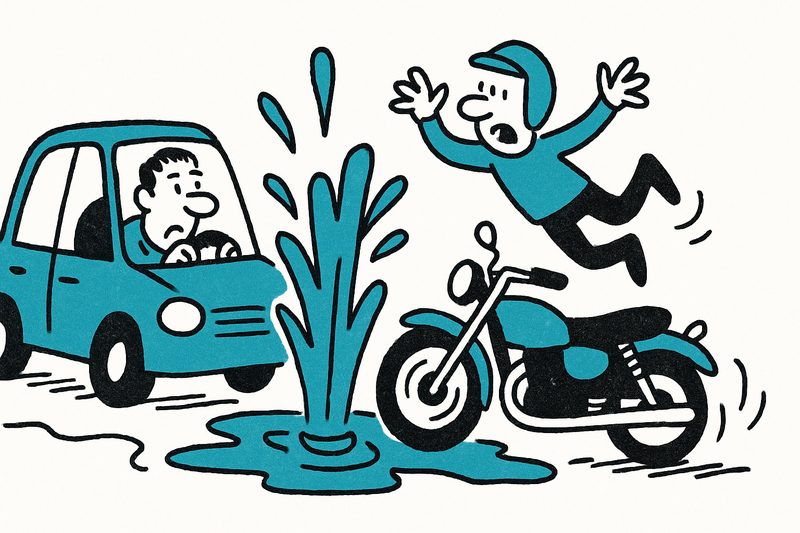
It was still dawn, the light breeze smelled of sea and exhaust when the sirens cut through the Vía de Cintura that morning. On the important ring road around Palma there was a serious accident: a motorcyclist was thrown through the air after colliding with another vehicle and was taken to hospital with serious injuries, as reported by Motociclista grave en Palma – posible rotura de tubería. At that time the right lane towards the airport was flooded — apparently due to a burst water pipe. The Guardia Civil has opened an investigation.
Key question: Could the accident have been avoided?
Behind the sober report lies a simple but uncomfortable question: could this accident have been prevented if the pipe had been discovered earlier or the danger zone secured more effectively? On Mallorca, water pipe bursts after heavy rain or due to aging infrastructure are not uncommon. But when they change road and traffic conditions in seconds, the consequences often hit the most vulnerable — in this case a motorcyclist.
The cold facts: a flooded lane, slick asphalt, a two-wheeler with far less stability than a car. Motorcyclists are particularly vulnerable on wet roads. Correct speed, enough distance and defensive driving help, but against sudden aquaplaning from standing water often only luck or infrastructure precautions can protect.
What is often missing in the public debate
Coverage understandably focuses on the victim and the closure, but three points often fall into the background:
1. Condition and age of the pipeline networks: A pipe burst is rarely an isolated event; it often reflects the state of underground infrastructure. How old are the pipes in the affected section? How are maintenance works prioritized?
2. Warning and protection concepts: Were there early warnings, sensors or automatic shut-offs that could have enabled an immediate closure? On busy arteries like the Vía de Cintura, visible and rapidly deployable warning mechanisms are needed — not only after an accident.
3. Responsibility and aftercare: Who is responsible for short-term traffic safety — the city, the water utility, or the road operator? And how are claims for compensation by the injured handled?
Concrete proposals instead of helplessness
Instead of merely lamenting what went wrong, Palma needs concrete measures. Some proposals that could help quickly:
Faster reporting systems: Sensors in sewer systems and along critical traffic corridors that report water levels. A digital interface that automatically informs traffic control centers, emergency services and navigation apps.
Temporary speed limits and guardrail technology: When water on the roadway is detected, automatic warning signs and reduced speed limits should be activated immediately. For motorcyclists, specially textured, grippier pavement surfaces could be tested at accident hotspots.
Transparency in repair priorities: Disclosure of which pipes are prioritized for repair and why. That builds trust — and provides verifiable criteria when questions of negligence arise.
How the city responded — and what matters now
The city administration has already announced more regular infrastructure inspections and faster response times. That is good — but announcements must be tied to reality: budget, personnel and clear responsibilities. On site in the early hours, emergency crews, tow trucks and tense commuters honking at the closure could be seen. The loud diesel buses on the airport routes waited at the edge of the jam, and travelers hastily rebooked connections — small scenes from the morning chaos.
The urgent recommendation for car and two-wheeler drivers remains: if the road looks wet or glossy, reduce your speed significantly, keep distance and expect that road conditions can change in seconds. For decision-makers: quick technical upgrades and binding maintenance plans are not a luxury but protection for human lives.
Looking ahead
Incidents like this remind us how closely everyday life and infrastructure are linked. A burst pipe is not just a technical issue: it is a safety problem that can endanger lives. The Guardia Civil's investigation will determine whether technical faults, pressure on maintenance schedules or an unfortunate coincidence were to blame. One thing is already clear: those who keep Palma moving must care for the city's invisible arteries as much as its promenades and tourism. Otherwise the wail of sirens will sound all too familiar with the next winter rain.
Frequently asked questions
Why can the Vía de Cintura in Mallorca be dangerous after a pipe burst?
Are motorcycles especially at risk on wet roads in Mallorca?
What should drivers do if they see standing water on a road in Mallorca?
When is aquaplaning more likely on Mallorca roads?
Who investigates serious road accidents on Mallorca’s ring road?
What caused the accident on the Vía de Cintura in Palma?
How does Mallorca deal with burst water pipes on busy roads?
What should riders and drivers keep in mind on early-morning Mallorca roads?
Similar News
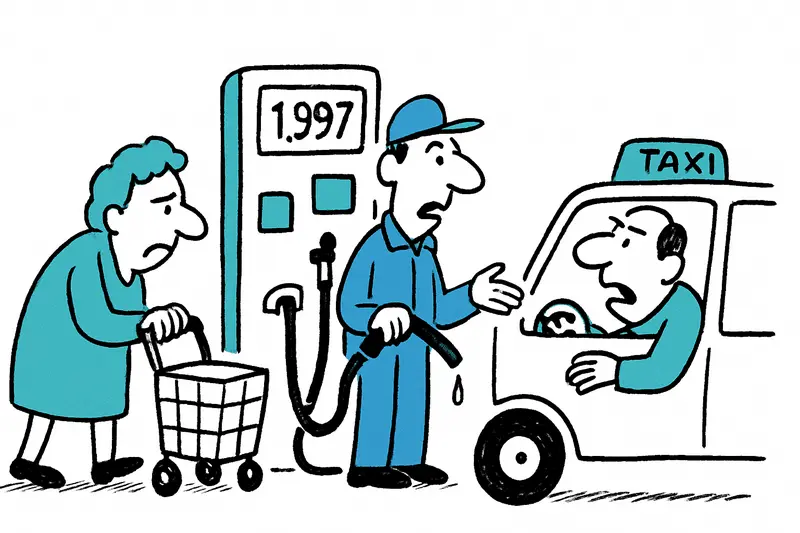
The End of the Cheap Ride? Why Mallorca Is Hit Harder by the Fuel-Price Shock
Gasoline and diesel average close to two euros per liter. What this means for commuters, supply chains and renters in Ma...
Relaxed liquid rules in Munich: What Mallorca travelers will notice
At Munich Airport the 100-milliliter rule will be lifted at all checkpoint lanes — thanks to new CT scanners passengers ...
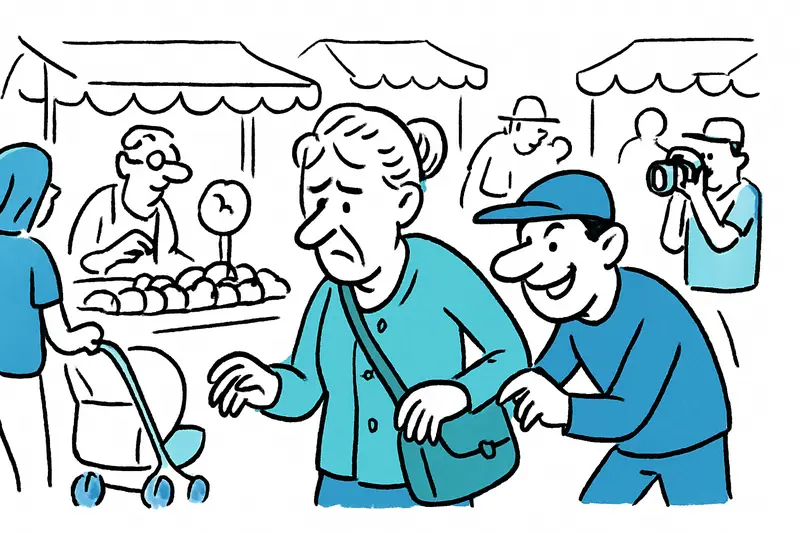
For 45 Years on Mallorca — and Then This: How a Market Visit in Santa Ponsa Became a Lesson
A woman who has lived on the island for decades lost money and important documents at the Mercat Setmanal in Santa Ponsa...
10 percent surcharge on the beach: How legal and transparent is the extra charge at Playa de Muro?
A German part-time resident noticed days after a restaurant visit in Playa de Muro that the bill included a flat ten per...

Body near the Llevant Market: What this death says about our city
A man was found dead on Sunday afternoon near the Llevant Market. Police say the death appears natural. The scene raises...
More to explore
Discover more interesting content

Can Cap de Bou

Townhouse Lleo 72
