
Patrol Boats off Mallorca: Much Technology, Many Questions
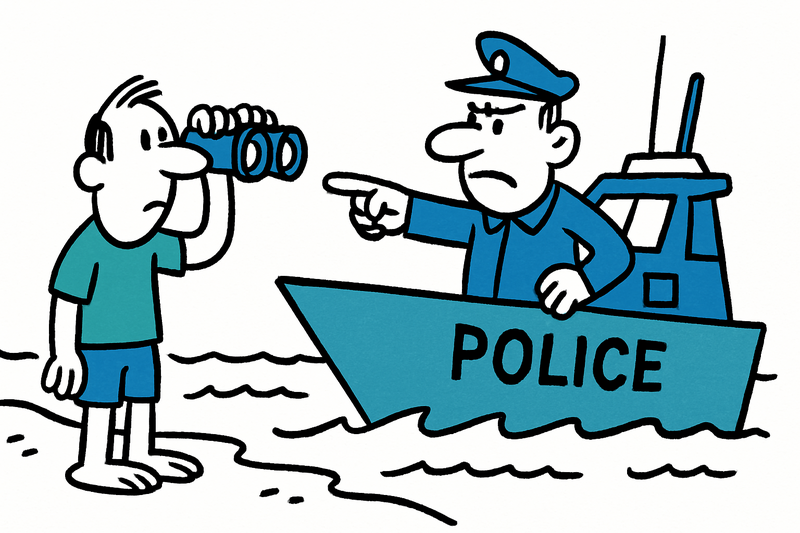
Two new patrol boats were presented in Andratx — part of a 22-ship fleet for coastal surveillance. A good idea, but who pays, who commands them, and how will they work in practice?
Between Surf and Bureaucracy: New Patrol Boats for the Coast
Early in the morning in Port d'Andratx, when seagulls cry and fishers are still mending their nets, two silver patrol boats were presented to the public. The Balearic president announced a fleet of 22 vessels — a visible sign of increased safety and environmental protection along Mallorca's coast. For background see More Boats, More Questions: Mallorca Under Pressure from Rising Boat Arrivals. The roar of the engines briefly drowned out the village church bells; the mood was hopeful. But already after the ceremony questions remain that do not vanish with the salty wind.
The Central Question
Who will actually ensure that the boats are more than just a PR photo? Recent high-profile visits have also raised questions (see 'Duque de Ahumada' in Portopí: New high-tech patrol ship sparks debate). Technology alone is not enough. Good boats are of little use if mission planning, maintenance, personnel and transparent oversight are missing. On Mallorca, where bays, cliffs and protected zones follow each other closely, minutes and local knowledge decide success or failure.
More Than a Show: What Has Been Little Discussed So Far
Public debate so far has focused on the shiny hardware: drones, a central control center, rapid responses to floods and environmental violations, as highlighted in High-tech in the Harbor: the „Duque de Ahumada" in Palma – Security Gain or Topic for Debate?. Less attention has been paid to how the fleet will be integrated into the existing rescue and monitoring structure. Who takes the lead in an operation — the local Guardia Civil, the maritime authority (Capitanía Marítima), rescue services or a new regional coordination office? How will boat crews connect with port authorities, conservation groups and tourism businesses?
Practical questions are often the trickiest: Who pays for fuel, spare parts and berthing fees? How will operational readiness be maintained during stormy Tramuntana nights? And: How will drone flights be reconciled with data protection and privacy when they circle over inhabited coastal areas?
Thinking Specifically About Environmental Aspects
Posidonia seagrass meadows, oil pollution, illegal anchoring in protected zones or plastic swirls in the coves — the new boats could make a difference here. But measurability is lacking: Which indicators will be used to judge success? Number of suspected violations? Response times? People rescued? Without clearly defined metrics, the project risks sinking in a fog of good intentions.
Technology Is Just One Building Block
The integration of drones makes sense for hard-to-reach cliffs or tracking pollution traces. However, drones are not a panacea: battery limits, legal restrictions and visibility during storms constrain their use. A robust monitoring system needs hybrid solutions: manned patrol boats, small rigid-hulled inflatables for narrow coves, well-equipped team bases along the coast and simple oil-absorbent materials on board, as recommended by European Maritime Safety Agency (EMSA) resources on pollution response.
Concrete Proposals to Ensure the Fleet Is More Than Just a Pretty Sight
First: transparency on costs. An open financial plan — acquisition, operation and maintenance over the next five years — should be published. Second: a public dashboard with real-time data on missions, response times and environmental incidents would build trust. Third: partnerships with local universities and conservation groups for monitoring projects (e.g. Posidonia mapping, plastic trend analysis). Fourth: citizen participation via a reporting app, with clear protocols on how tips are verified. Fifth: training and retention of personnel through fair wages, regular exercises and use of volunteers who bring local knowledge.
What Mallorca Needs Now
The coast is more than a tourist postcard; it is habitat, workplace and weather sensor at once. The announced boats are a possible step forward — but only one of many. Effective coastal protection means: technology, transparent administration, clear responsibilities and involvement of local people. Only then will a fleet become a shield.
In the end, there remains the hope that the engines in Andratx will not only make noise but will help visibly — and that those responsible will deliver more than good photos. Mallorca has the nature and the people who care for it. The question is whether politics and administration will finally give them the tools and openness that have lasting effects.
Frequently asked questions
Why is Mallorca getting new patrol boats for the coast?
What will the new patrol boats in Mallorca actually be used for?
Will drones make coastal monitoring in Mallorca more effective?
How will Mallorca measure whether the new patrol fleet is working?
Who is responsible when there is a coastal incident in Mallorca?
What are the main environmental problems the Mallorca patrol boats could help with?
What makes coastal patrol work in Port d’Andratx difficult?
What does Mallorca need besides new boats to protect its coast?
Similar News

Masked Images, Real Panic: When Social Media Aesthetics Alarm Neighbors
Five German content creators filmed on a recently vacated detention site using deceptively realistic props. The result: ...
Why the Striped Breams in Cala Pí Should Be a Wake-up Call
Once again bathers in Cala Pí were surrounded while swimming by small, nippy fish — some wounds bled. Time for clear rul...

Daily from New York: How Palma's Air Traffic Is Growing — and What Must Change
United will increase the Newark–Palma service to daily flights in 2027 (Boeing, 231 seats). Strong tourist numbers clash...

When Love Ends in Shards: Destruction in Son Vida and the Questions That Remain
In Son Vida a relationship dispute escalated: a woman destroyed furniture in a luxury villa, later pressed a panic butto...

Who Bears the Burden? Mallorca Between Tenant Protection and Landlord Fears
Madrid's new housing decrees strengthen tenant rights — but on Mallorca concern is growing: will the law drive small lan...
More to explore
Discover more interesting content

Can Cap de Bou

Townhouse Lleo 72
