
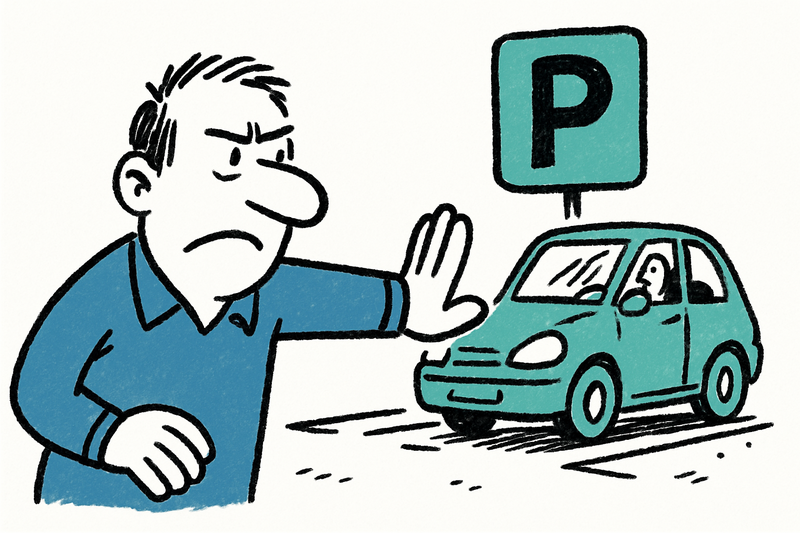
New parking spaces in Andratx: More room — but is that enough?
Andratx has opened two new parking facilities – around 400 spaces. Sounds good, but the key question remains: Do additional parking spaces really ease the problem or merely shift traffic? A critical look with concrete suggestions for everyday life on site.
New parking spaces in Andratx: More room — but is that enough?
The municipality of Andratx recently opened two new parking facilities: one on Calle Aragó and another in the neighboring s'Arracó. Together they provide almost 400 additional spaces, according to Andratx creates 400 new parking spaces – who really benefits? At first glance a relief — especially on days when the boats rest in the harbor and the cafes in Port d'Andratx already hear the first clinking of cups and the sound of the sea early in the morning.
The key question
Can more asphalt alone solve the parking situation in the long term? Or does the measure merely push the problem into other streets while bottlenecks persist on weekends and public holidays?
What the "long overdue" solution really brings
For many residents the new offer is tangibly noticeable: those who previously circled in the shade of the plane trees on side streets now park much more stress-free. The location on Calle Aragó is convenient for shop owners and commuters — short distances, fewer honking cars outside the bakery in the early morning. The municipality's numbers also look good: in the past two years roughly 1,000 new spaces are said to have been created. But numbers alone say little about the daily reality on Mallorca's streets; other towns face similar debates, as Sóller wants to tame the parking chaos: Three parking lots and 300 resident spaces — is that enough? shows.
Critical aspects that rarely get loud
First: the phenomenon known as induced demand. More parking can attract more car trips — an effect urban planners know but rarely like to hear. Second: displacement effects. When free spaces appear on Calle Aragó, drivers more quickly seek out other places — often residential areas or narrow lanes where residents suffer under the pressure. Third: land consumption and environment. New parking often means sealed ground, less greenery and poorer water infiltration, which is especially important during heavy rain, when the Tramuntana does not blow and the sun suddenly gives way to downpours.
Between everyday life and politics — who really benefits?
Retail and gastronomy clearly breathe easier. A free parking space in front of a shop can determine daily turnover. On the other hand, weekends remain problematic: tourist peak times fill spaces faster, while commuters often need long-term parking. The challenge is to separate these needs — without residents footing the bill.
Concrete opportunities and solutions
A single parking lot is not a cure-all. But combined measures can provide real benefits:
- Resident parking permits: Time-limited zones that give residents priority, especially in residential streets near the new facilities.
- Graduated pricing: Shorter parking times in central areas, longer options on peripheral lots. Price steers demand without forbidding everything.
- Shuttles and micro-public transport: On peak days run commuter buses from the multi-storey car park on Calle Aragó to the harbor and other crowded hotspots.
- Bicycle and e-charging infrastructure: Plan bike racks and charging stations in the new facilities to make switching easier.
- Green design: Infiltration areas, trees and permeable surfaces so the new areas do not simply become heat islands; similar redevelopment proposals have been discussed in Palma, for example Rethinking Portixol: More Green, Fewer Parking Spaces — But at What Cost?.
- Smart occupancy data: Display free spaces via an app or digital signs at access points — less cruising for parking, less honking.
What the municipality should do now
Transparency about usage numbers, measurements by time of day and an evaluation after the first season would be important. The municipality could start with temporary measures: a trial for fees, a shuttle pilot on hot weekends, phased planting. When the church bells ring on Sunday and the spaces fill early, it becomes clear quickly whether concepts are working.
Conclusion
The new parking spaces in Andratx are a step in the right direction — but not a self-runner. Without accompanying rules, displacement threatens; without ecological planning, the appearance of the town may worsen. With a mix of resident regulations, pricing, public-transport alternatives and green planning, Andratx could achieve more: better quality of life for residents, less cruising traffic and streets that smell not only of asphalt but also of pines and the sea.
Frequently asked questions
Is parking in Andratx easier now with the new parking areas?
Will more parking in Mallorca towns like Andratx really solve traffic problems?
What should residents in Andratx expect from the new parking spaces?
When is parking in Port d'Andratx usually most difficult?
Why can new parking lots in Mallorca be a problem for the environment?
Is Calle Aragó in Andratx a practical place to park?
What could help reduce parking pressure in Andratx besides building new spaces?
Should visitors to Mallorca expect easier parking in small towns like s'Arracó?
Similar News
Man Exposes Himself in Front of Café in Palma: Why This Must Not Be Dismissed as an Isolated Case
A man was arrested in Palma after he lowered his trousers in front of a café and exposed himself to minors. What does th...

Brawl at the Airport: Who Is Responsible for the Escalation Among Transfer Drivers?
A dispute between two transfer drivers escalated on Saturday morning in the arrivals area of Son Sant Joan. One man was ...
Collision in Palma: Why an E-scooter and a Patrol Car Ended Up on a Collision Course
At an intersection in Palma in early September a young e-scooter rider collided with a local police patrol car. No one w...
Warty on the Green: When a Cyborg Is Supposed to Learn Golf in Mallorca
A silver humanoid named Warty visits Son Gual – as advertising for Water D and as a guinea pig for golf lessons. A criti...
Balearics Consider Restrictions on Second-Home Purchases – a Reality Check
The regional government is examining whether purchases of second homes by non-residents can be restricted in future — bu...
More to explore
Discover more interesting content

Boat Tour with BBQ along Es Trenc Beach
Private transfer from Mallorca Airport (PMI) to Pollensa
