
Night-time Fall in S'Illot: When an Argument Turns Deadly
Night-time Fall in S'Illot: When an Argument Turns Deadly
In S'Illot a 40-year-old man died after fleeing across rooftops following an argument and falling into an inner courtyard. The National Police found him dead. A reality check on safety gaps, alcohol and neighborhood protection.
Night-time Fall in S'Illot: When an Argument Turns Deadly
Key question: Why do relationship arguments here so quickly lead to life-threatening situations?
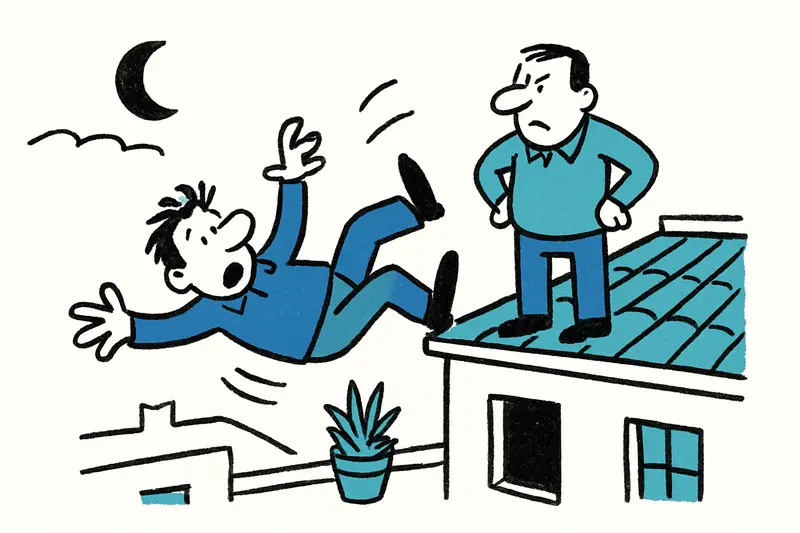
On the night leading into Wednesday, a 40-year-old man was found dead in S'Illot. The National Police established that he had been heavily intoxicated and had apparently argued with his ex-partner shortly beforehand. While trying to flee, the man climbed onto the roofs of neighboring buildings and fell into an inner courtyard. Investigations are ongoing. Similar tragic incidents in Mallorca have included a Balcony fall in Palma: When sleepwalking can become a deadly danger.
These sober facts are short, brutal and precise. But they raise questions that are often neglected in public debate: How much alcohol, what proximity to unstable relationships and what structural and social conditions must come together for an argument to become a deadly situation?
Critical analysis: alcohol as an amplifier, not an excuse. On Mallorca as elsewhere, drinking at night repeatedly causes conflicts to escalate. Alcohol clouds risk assessment, alters balance and reactions. In this case the police say the man was heavily drunk — that helps explain why he fled across roofs and apparently underestimated the danger of a fall. That does not absolve anyone of responsibility, but it shows that prevention must address more levers than legislation alone.
An often overlooked point is the built environment: many coastal towns have tightly packed holiday apartments with easily accessible roofs, low railings and courtyard-like inner spaces. Good lighting, secure roof access and clear maintenance rules could reduce similar accidents. Many units here are holiday rentals — changing tenants, patchy oversight, hardly any residential community. That raises the risk that dangerous situations are not recognized in time; recent reports such as Tragic Fall in Cala Sant Vicenç: A Wake-Up Call for Greater Coastal Safety and Serious Fall in Santa Ponça: How Safe Are Our Stairwells? underline these vulnerabilities.
What is missing from the public discourse? First: concrete support options for people in acute relationship crises during the night hours. There are hotlines and institutions, but they are often not present in bars, hotels or with event organizers. Second: neighborhood watch and awareness raising. Someone walking the paseo at night often hears loud voices, the clinking from bars and the sea in the background — sometimes a decisive phone call is enough to organize help. Third: a realistic consideration of holiday apartments as problematic locations. Many conflicts take place in apartments, far from bistros and the eyes of locals; other local cases, such as a recent fall involving an elderly man from a balcony, show the range of similar incidents Fall in Palma: An elderly man, a balcony and many unanswered questions.
Everyday scene from S'Illot: imagine the calm of the coast on a winter evening — holiday silence, the occasional howl of wind through palm trees, the hum of a distant delivery van and the bright, metallic clink of a bar closing. In such places locals, seasonal workers and tourists meet in a small space. If an argument flares up in one of these units, there is often no one to watch over things.
Concrete solutions: first, short term: better information in holiday accommodations — emergency numbers clearly visible, notices about local help services, clear instructions on how neighbors can respond. Second, medium term: cross-municipal awareness campaigns in several languages targeted at the night economy, landlords and tourism workers. Third, structural: control of roof access, simple safety measures on railings, mandatory safety checks for short-term rentals. Fourth, social: expansion of low-threshold night counseling and mobile teams that can mediate escalating conflicts — not only policemen but also social workers.
For the police, investigative work is important and correct. For the neighborhood, prevention is at least equally relevant: training for property managers, clear rules in rental contracts and a small effort to secure hazard points can save lives. Hospitality and landlords must also cooperate: regulate late-night alcohol sales and supervision more responsibly, react more quickly to aggressive situations.
Punchy conclusion: a single death remains a personal tragedy — and an alarm signal for the community. It is not enough to wait for the police's sober statement. We should answer the simple question: what will we do differently tomorrow night so that a dispute on Mallorca's roofs does not end in a deadly fall?
Frequently asked questions
Why can night-time arguments in Mallorca become so dangerous?
What makes holiday apartments in Mallorca risky in emergencies?
Does alcohol increase the risk of serious falls at night?
What can neighbours do if they hear a violent argument in Mallorca at night?
Is S'Illot a place where safety issues can be harder to spot?
Are roofs and terraces in Mallorca holiday buildings properly secured?
What help is available in Mallorca for people in an acute relationship crisis at night?
Why do falls from balconies or roofs keep appearing in Mallorca news?
Similar News

"Expensive chaos" and many open questions: What clients can do when a lawyer suddenly stops responding
Several clients complain that a well-known German lawyer in Mallorca has been unreachable for months. Key question: What...

TV tip: 'The Last Problem' — Mallorca as the setting of a classic crime
A classic whodunit on Mallorca: A new miniseries set in spring 1959 brings storm, an isolated hotel and a dense web of s...

Nipping Sea Creatures: Why Bathers in Cala Major and Elsewhere Should Be Cautious
In Cala Major, bathers have reported being nipped by small fish. What is behind it, how can problems be avoided — and wh...
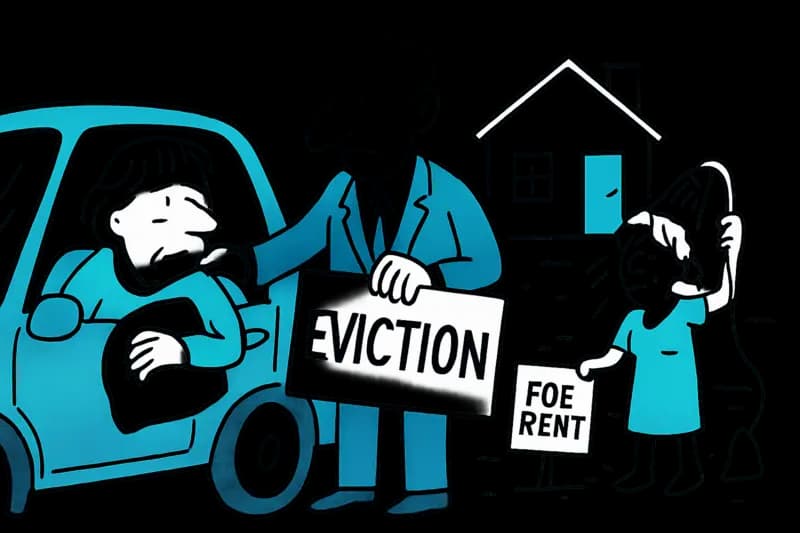
Forced eviction in Santa Catalina: When a 65-year-old slept in her car and showered on the beach — a question of responsibility
The story of Pilar López from Santa Catalina represents a problem affecting many Mallorcans: How can an island with a bo...
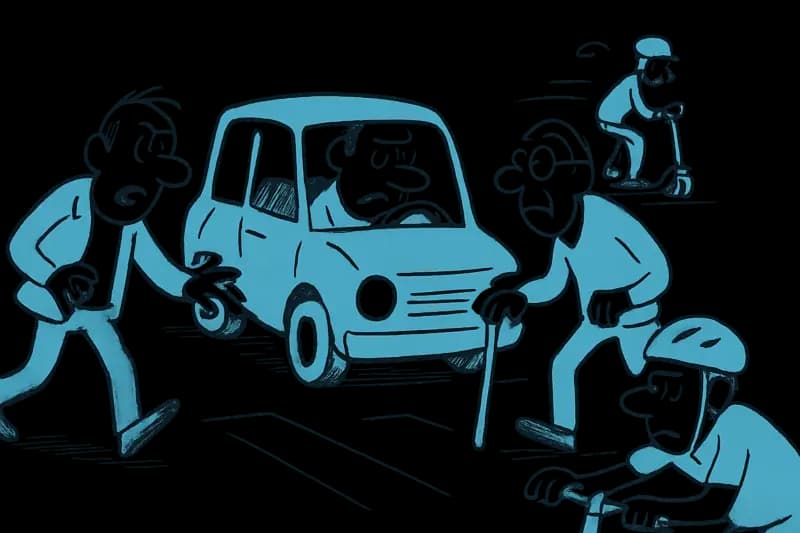
New traffic rules from October 1: What Mallorca visitors and locals need to know
From October 1, 2026, Spain will implement far-reaching changes to traffic regulations. Important for Mallorca: greater ...
More to explore
Discover more interesting content

Can Cap de Bou

Townhouse Lleo 72
