
Night fire in S'Illot: What does an overheated exhaust fan reveal about our safety?
Night fire in S'Illot: What does an overheated exhaust fan reveal about our safety?
In S'Illot, 110 hotel guests had to be evacuated during the night after a room was cleared due to heavy smoke. The cause was presumably an overheated exhaust fan. A critical assessment and concrete proposals for improved fire safety.
Night fire in S'Illot: What does an overheated exhaust fan reveal about our safety?
Key question: How can a small device in the middle of the night pull 110 people out of sleep, and what lessons can we learn from it?
In the early morning hours, around three o'clock, a shrill alarm on the coast of S'Illot woke guests and staff of a beach hotel. Heavy smoke in a room had triggered the automatic alarm system. The local police of Sant Llorenç des Cardassar received the emergency call via the 112 center; three patrol cars arrived shortly thereafter. In parallel, a Guardia Civil patrol, three fire teams from the island council and two ambulances from service 061 responded.
The emergency crews found the affected room empty; the building had already been evacuated as a precaution. In total, 110 people gathered outside on the promenade, on beach towels and in flip‑flops, still half in nightwear, a scene similar to previous evacuations such as Fire in Port d'Alcúdia: Why the big scare is also a wake-up call for fire safety.
The fire brigade carried out extinguishing work and ventilation. Fortunately, there are no serious injuries. A pregnant woman received precautionary medical attention, a hotel employee suffered a panic attack, and a policewoman was treated for smoke inhalation.
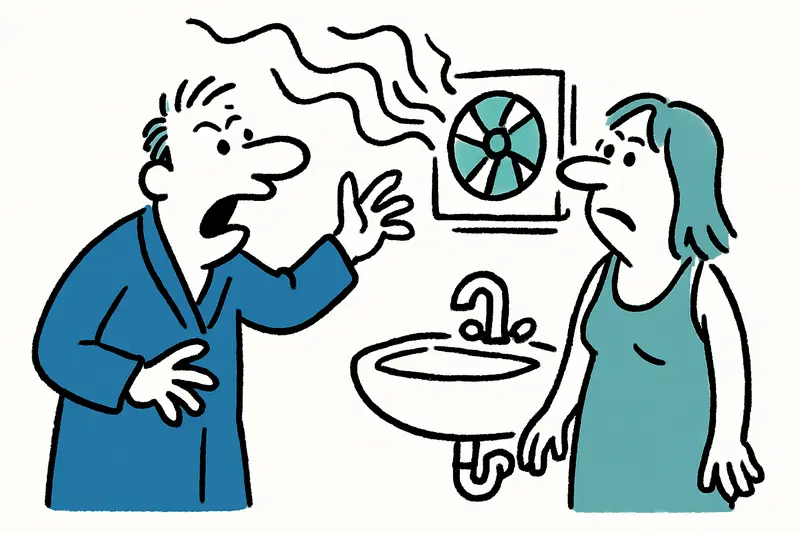
The suspected cause of the fire is currently an overheated bathroom exhaust fan that produced significant smoke. The device apparently triggered the alarm and forced the hotel to evacuate quickly.
Critical analysis
At first glance, the interaction between the alarm, emergency services and evacuation was successful. But the incident reveals weaknesses that are often overlooked: small electrical devices in wet rooms, inadequate maintenance of exhaust systems, and the question of whether smoke detectors in bathrooms are commonly and effectively installed. Exhaust fans are inexpensive, frequently retrofitted equipment — when poorly maintained they can become a hazard.
There are also organizational factors: How well informed were guests and staff? Was escape route signage available in English and other common languages? Were evacuation drills conducted, and how quickly could particularly vulnerable people — such as pregnant guests or those with mobility impairments — be brought to safety?
What's missing in public discourse
After a nighttime alarm many talk about the upset guests and the rapid response of the fire brigade. Rarely discussed is the everyday routine in hotels: annual or semi‑annual maintenance plans for fans and electrical connections, traceable inspection logs, the quality of fire safety training for seasonal staff, or how often emergency plans are explained when staff change. It is also underexamined whether inspections are conducted spot‑check style and effectively, or merely ticked off as formalities; cases such as Fire at Hotel near Cala San Vicente: A Wake-up Call for Fire Safety in the Off-Season show vulnerabilities beyond the high season.
On the island one often hears about small defects that together can become dangerous: outdated ventilation ducts, improvised extension leads and cheap spare parts. Incidents like the Motor scooter fire in Palma: Alarm on Calle Sindicat – How safe are our narrow shopping streets? illustrate how small sources of smoke can escalate. Such weaknesses need more attention than the rescue reports of the morning after.
Everyday scene from S'Illot
Anyone who walked along the promenade early this morning saw guests clustered in bathrobes and nightshirts, the sea in the background, the scent of seawater mixed with the sharp smell of burning plastic. A waiter wrapped a blanket around a trembling woman while colleagues collected bags and passports. Sirens gradually fell quiet, the first rays of sun bathed the hotel wall in warm light — and beneath it the serious question: Could it have been worse?
Concrete solutions
- Make maintenance plans mandatory: regular, documented inspections of exhaust systems and electrical components, at least before the season begins and subsequently at shorter intervals during intensive use.
- Technical adaptations: smoke detectors and alarm sensors must be used where they work reliably — in wet rooms, special systems designed for bathrooms are required to detect real dangers early.
- Training and drills: mandatory evacuation drills for staff, clear responsibilities for nighttime alarms and special measures for vulnerable people.
- Transparency and controls: more frequent spot checks by the competent authorities on Mallorca, including inspection logs to be filed with the tourism supervision.
- Guest information: brief instructions at check‑in on what to do in case of fire, evacuation routes visible in multiple languages and a central reporting point on the premises that can act immediately at night.
Pointed conclusion
The alarm in S'Illot shows that small devices can have large consequences. We can be proud of the decisive actions of the emergency services — but we must not be complacent. Fire safety is not a subject for the morning after the alarm, but daily work: maintenance, training, control. Otherwise we remain at risk that the next loud gong will not only cause a scare but cost lives.
Frequently asked questions
What should I do if a hotel fire alarm goes off at night in Mallorca?
How can a bathroom exhaust fan cause a fire in a Mallorca hotel?
How common are hotel evacuations in Mallorca after a fire alarm?
What fire safety checks should hotels in Mallorca carry out regularly?
Do guests in Mallorca hotels get enough information about evacuation routes?
What happens when emergency services respond to a fire in Mallorca?
Is S'Illot a quiet place to stay in Mallorca even after a hotel fire scare?
What should hotels in Mallorca do to protect vulnerable guests during an evacuation?
Similar News

Fewer Airlines, Fewer Destinations: What Palma's Winter Flight Schedule Means for Mallorca
Analysis shows: Winter at Son Sant Joan Airport will be quieter, with significantly fewer airlines and destinations. Who...
German tourist dies in Sa Calobra – a reality check for emergencies on Mallorca's beaches
A 40-year-old tourist died at the Torrent de Pareis. The emergency call, a doctor who happened to be present, a defibril...
Deadly Tractor Accident in Bunyola: What Needs to Be Done Now
In a work accident on an estate near Bunyola, a roughly 40-year-old man lost his life. His wife and a small child were o...
Head-first dive into the shallow part of Cala Fonoll: An accident and the unresolved question of responsibility
A young tourist dove into Cala Fonoll and was seriously injured. Key question: Why are clear warning signs missing at da...
Mistaken identity with fatal consequences: Brutal assault in S'Aranjassa — what's missing in the follow-up?
At S'Aranjassa a visitor to a finca was tied up, beaten and thrown out of a van. Three men have been arrested, including...
More to explore
Discover more interesting content

Can Cap de Bou

Townhouse Lleo 72
