
Night raid at Playa de Palma: assessment, questions and what's missing
The National Police take stock after a night of checks and drug finds at Playa de Palma. Increased presence creates a sense of security — but the operation also raises questions about effectiveness, displacement and the use of data.
Police on alert at Playa de Palma — and the night sounds different
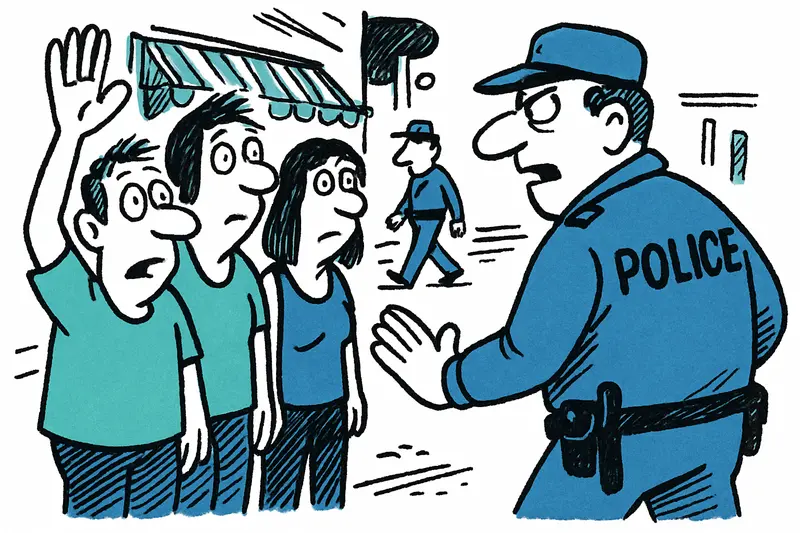
Around 9 p.m. the promenade still looked as usual: salt in the air, guests searching for tapas, street vendors folding up their stalls. Later, when the beeping of radios drowned out footsteps and bags clicked, the scene changed. The National Police launched a large operation as part of the "Operación Verano" — with checks, undercover observers and drug finds near the notorious "Schinkenstraße" (the so‑called "Ham Street"), as detailed in Redada nocturna en la Playa de Palma: balance, preguntas y qué falta.
What the tally says — and what it conceals
Officers report several drug packages seized from three men and numerous identity checks. Authorities speak of hundreds of arrests nationwide and almost two hundred measures at Playa de Palma alone since the start of the operation. For many residents this meant noticeably more presence, and for some tourists unfamiliar controls. But raw numbers do not answer the central question: does this type of control change the problem permanently — or does it merely shift it in time and space?
Displacement instead of solution?
The "Schinkenstraße" is only one piece of the puzzle. When controls along the seafront are intensified, the activity often shifts into side streets, other neighborhoods or the hours after midnight. If you watch the night for longer, you can hear it: first the police move in, then it gets quieter — until a few blocks away voices rise again. For residents this means a fluctuating sense of security. For people with addiction problems, demand remains. Without accompanying social services there is a risk of displacement rather than a solution.
Digital checks and data protection
Particularly notable was the use of digital applications to query identities in real time. That may be efficient — and helps to decide quickly whether a person requires further checks. A related account is Playa de Palma at Night: Phone Tracking Catches Suspect — But What Does It Say About Our Safety?. At the same time it raises questions about data protection: which data are stored? For how long? And who analyses the results? These aspects are rarely covered in press releases, but they are important for everyday life at tourist hotspots.
Civilian observers played a central role: plainclothes officers mingled with passersby, reported suspicious behaviour and thus enabled targeted interventions. Such tactics are effective, but they carry the risk that public life feels monitored — especially in a season when visitors are seeking relaxation.
The other side of the night: paramedics, fights, too much alcohol
The police also assisted with medical emergencies and with intoxicated people, took reports of pickpocketing and mediated disputes. These everyday tasks are part of the job — and show that the situation needs more than criminal police measures; it also requires preventive services: emergency medical care, low‑threshold addiction counselling and better information for visitors. Such episodes are seen in reports like Nighttime escalation at Playa de Palma: When a mobile phone leads to a home takeover, which illustrate the wider consequences of nighttime incidents.
Concrete proposals instead of repeated raids
A targeted police presence can bring order in the short term. For lasting effect, however, a multi-pronged approach is needed:
- Expansion of low-threshold services for people with drug problems along the coast, with easy access even at night.
- Better coordination with municipal enforcement services and clearer rules for street vendors so that illegal offers do not grow unchecked.
- Transparency in digital data processing: disclose which data are stored, for how long, and conduct regular audits.
- Night public transport and improved lighting to prevent dangerous displacement into dark side streets.
- Joint prevention campaigns for bars, landlords and guests about risks and rights — clear, multilingual and visible.
Operación Verano continues until the end of September. Until then police presence will remain visible — radios will beep, streets will be checked, and the debate over effects and side effects will continue. It would be a gain for Mallorca if these nightly operations were followed by lasting social responses — not just numbers and briefings.
I was on site until the end of the operation: the sound of the night, the crackle of radio connections and the occasional laughter despite everything — small details that show how much work goes into a night like this. The guiding question remains: more control or more prevention — or both, sensibly linked?
Frequently asked questions
Why is Playa de Palma often watched more closely at night?
What kind of police checks happen during summer operations in Mallorca?
Does more police presence at Playa de Palma really make the area safer?
What should visitors know about identity checks in Mallorca nightlife areas?
Are digital police ID checks in Mallorca a data protection concern?
What happens when police focus only on one nightlife street in Mallorca?
What practical steps could help reduce problems at Playa de Palma?
Until when is Operación Verano running in Mallorca?
Similar News

Release after bloody attack in Palma: Why the court's decision raises questions
An 18-year-old who allegedly inflicted a serious neck injury on a man at Plaza Gomila using a wristwatch wrapped around ...
Kidnappings in Inca: Three young men forced into car trunks and abused in the forest – a reality check
In Inca, three 18-year-old men were forced into car trunks by masked assailants at the Plaça des Bestiar, taken to a for...
Spreading Massification: The Brake That Still Has Much Work to Do
Marga Prohens announces limits on volume tourism. The measures sound harsh — but are they enough to save everyday life, ...

Through the Keyhole onto the Party Yacht: How Daniela Katzenberger Is Planning Her 40th on Mallorca
Daniela Katzenberger turns 40 and wants to celebrate it on the island — likely with a boat, cake and her mother. A relax...
By Boat Instead of the Road: Palma's Water Bus — a Reality Check
The 'Bus Nàutic' launches in two stages — but questions remain over interim operations, fares and environmental requirem...
More to explore
Discover more interesting content

Can Cap de Bou

Townhouse Lleo 72
