
On the Edge: What Mallorca's Airport Loses If a Major Low-Cost Carrier Falters
The company that operates numerous connections from Palma to France and domestically is negotiating with creditors to restructure its debt. What this could mean for passengers, employees and the island — and how Palma should respond.
On the Edge: What Mallorca's Airport Loses If a Major Low-Cost Carrier Falters
Key question: How severely would a capacity reduction by a carrier like Volotea affect Son Sant Joan and the island economy — and who would step in if necessary?
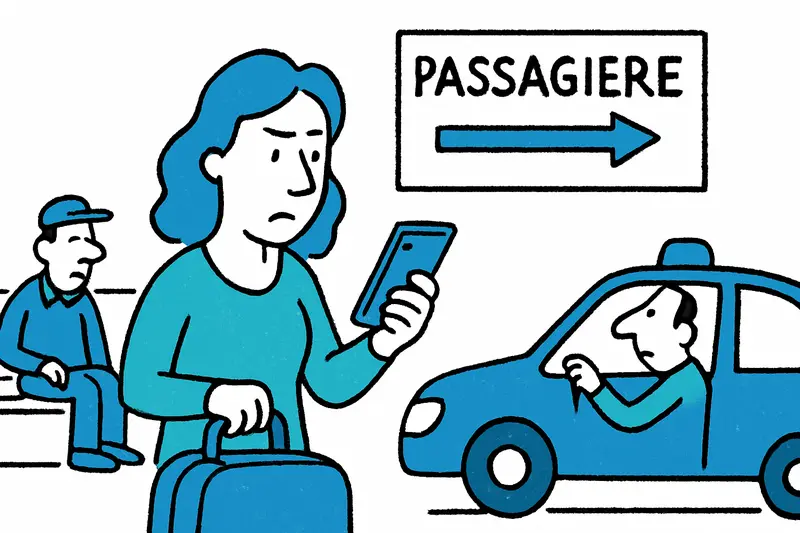
On Sunday afternoon, when the air conditioning in the small café opposite the arrivals hall of Son Sant Joan hums lightly and taxi drivers wait boredly for new passengers, you hear the voice from the loudspeakers: “Passengers to …” A few rows further a French woman checks her phone, flips through return tickets — and furrows her brow when the news about negotiations with creditors makes the rounds. This is not an abstract problem in a conference room in Barcelona: it is playing out here, between baggage belts, bus lanes and car rental counters.
In short: The airline that serves numerous connections from Palma has initiated a procedure to reorganize its liabilities in order to avoid an official bankruptcy. Relevant for the island are some figures and plans on the table: additional burdens from fuel costs, a planned reduction of the fleet from the current 44 to around 30–35 jets and the goal of bundling financial measures by December. So far, flights are continuing.
Critical analysis: Mallorca depends heavily on reliable connections — especially in the shoulder months and for routes into the French interior used by regular holidaymakers, weekend travelers and business travelers. A noticeable capacity reduction can reduce frequency on some routes, temporarily raise ticket prices and make connections more complicated. Ground operators suffer first: ground staff, bus companies, catering, local intermediaries and smaller hotels that rely on reliable arrivals and departures.
What has been missing so far in the public debate: firstly the question of contingency plans at the regional level — who coordinates replacement services, subsidies or slot allocation if capacities disappear? Secondly, a look at the supplier chains around the airport, which can quickly suffer tangible revenue losses. Thirdly: consumer protection for last-minute rebookings and refunds for passengers from Mallorca. The usual reassurances that “flights are continuing” do not help travelers when frequencies are reduced at short notice.
A concrete everyday scene from Palma: early in the morning on Passeig Mallorca café owners greet regulars from Lyon and Nantes. For some the direct connection is not a luxury but part of their weekly rhythm — a way to get to work, to doctors or to family. If a route disappears, that means extra travel time or additional connections that people feel directly.
Concrete solutions that are conceivable locally: 1) Airport managers and the Balearic government should form short-term task forces to monitor slot and capacity gaps and negotiate with other airlines — including larger, established network carriers. 2) Consider temporary incentives for replacement carriers: reduced fees, scaled terminal charges for new operators or co-financing marketing campaigns for affected routes. 3) For employees: support programs and rapid assistance with job placement within the airport ecosystem so that skilled workers are not lost. 4) For passengers: clear information requirements, simple rebooking procedures and central hotlines through the airport network rather than only via the airline.
One point often forgotten: market consolidation can be healthier in the long term if accompanied by transparent planning and protections for employment. Panic, however, creates gaps that produce hard losers — often local small businesses.
Conclusion: It is right that the airline is trying to avoid formal insolvency through negotiations. For Mallorca this means: no complacency. Son Sant Joan and the surrounding area should now actively analyze gaps, examine alternatives and not only react when the next flight is cancelled. People on the promenade are tired of being surprised — better to be prepared than to endure another summer of chaotic replacement services.
Frequently asked questions
What is the best time of year to visit Mallorca for outdoor activities?
How safe is swimming at Mallorca’s beaches, and what should I watch for?
What should I pack for a Mallorca trip in any season?
How many days are typical to see Mallorca's highlights?
Why is Palma de Mallorca a good base for exploring the island?
Is Cap de Formentor worth visiting for first-timers in Mallorca?
What’s Mallorca’s typical weather pattern by season?
What water activities are popular around Mallorca?
Similar News
Ballermann star Frenzy wins 'Villa of Temptation' and donates prize money to Mallorca animal rescue
Ballermann singer Frenzy won the German reality show and donated the remaining prize money — around €14,080 — to an anim...
70 Trees Removed on Avenida Jaume I: What's Happening in Santa Ponça?
On October 1 the final redevelopment phase on Avenida Jaume I in Santa Ponça begins: 70 trees and old streetlights are t...

When a Boundary Is Crossed: The Case of Isi Glück and the Responsibility of Venue Operators
The singer from Mallorca reports an assault backstage in Halle. A clear guiding question, analysis of missing protective...
On the Brink: Volotea Fights for Survival — What Palma Can Expect Now
Volotea is negotiating its debts and plans to downsize its fleet. What consequences does this have for Palma, employees ...

Persistent rain ahead: What Mallorca's everyday life needs to know now
Aemet announces several days of showers with a peak expected on Monday. A sober reality check: who is at risk, what is m...
More to explore
Discover more interesting content

Can Cap de Bou

Townhouse Lleo 72
