
When an Alleged Puppy Offer Becomes a Trap: How Online Pet Trade Scams Hit the Balearic Islands
When an Alleged Puppy Offer Becomes a Trap: How Online Pet Trade Scams Hit the Balearic Islands
The Guardia Civil dismantled a gang that collected payments through fake animal ads. Victims also include residents of the Balearic Islands. How did this happen — and what should buyers do now?
When an Alleged Puppy Offer Becomes a Trap: How Online Pet Trade Scams Hit the Balearic Islands
Key question: Why do buyers on Mallorca fall for this scheme — and how can such frauds be prevented in the future?
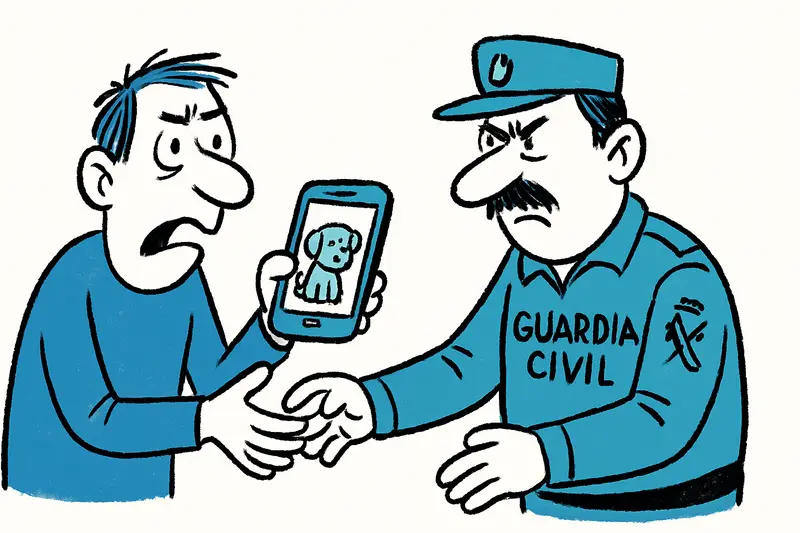
On a cool January morning outside the Mercat de l'Olivar people stand with shopping bags while someone next to them scrolls through photos of puppies on a smartphone. The images are tempting: cute, small, apparently available. But behind such ads are reportedly organized groups. After investigations, the Guardia Civil has arrested an alleged gang that sold pets via fake online listings. In total, 19 people were reportedly detained — 18 in Bizkaia and one in Burgos — and three more are still accused. Across Spain investigators have identified around 121 victims so far, with financial losses exceeding €36,000. Residents of the Balearic Islands are also among those defrauded.
In short: the scam follows the same pattern every time. First contact is made through an ad, then successive payments are demanded — for vaccinations, transport or an alleged chip. The result: the money is gone and the animal never arrives. The perpetrators exploit the emotions and impatience of people who are looking for a new family member quickly.
Critical analysis: the problem is not only with the perpetrators. Platforms, buyer behavior and an information vacuum also contribute to the proliferation of such offers. Many portal operators allow listings without thorough verification. Similar problems affect other marketplaces, as reported in Beware of Rental Offers on Facebook & Instagram: How to Protect Yourself in Mallorca. Payment methods like bank transfers or money-transfer services are especially attractive to fraudsters because they offer little chance of reversal. Buyers, for their part, seek trust — and are inclined to check identity documents or the seller’s actual location only superficially.
What is often missing from public debate is a concrete discussion about platform obligations and practical buyer education. It is not only about headlines on arrests but about systemic questions. Who verifies the authenticity of dog photos? How can platforms better filter listings that show clear warning signs? And why is it so difficult for buyers to quickly obtain reliable confirmation that the animal actually exists?
A typical everyday scene on Mallorca shows the scale of the problem: on the Plaça Major two women talk about animal blessings and local rescue organizations. One recounts a friend who had just found an ad and already paid €300 in advance — for transport that never arrived. Such conversations are typical: they mix concern for the animal with frustration about the lack of protection.
Concrete steps that could help immediately: first, insist on identity verification for the seller when responding to an ad; check a copy of the ID at the handover. Second, avoid full advance payments without secure payment methods — escrow services or card payments offer more protection than cash or unsecured bank transfers. A recent example is Used Car Trap in Llucmajor: When Trusting a Garage Becomes Expensive, which shows similar consequences. Third, request a live video call showing the animal at the agreed place and time; a photo is often not enough. Fourth, arrange handover at a veterinary practice or animal shelter — they can verify whether a microchip is actually registered. Fifth, examine the seller’s listings and profiles for inconsistencies: repeated boilerplate text, different names using the same phone number, or odd geographic jumps are red flags.
At the institutional level: platform operators should expand verification mechanisms and provide clear reporting channels. Municipal consumer protection offices and the Guardia Civil must consolidate reports faster and ensure that indications of pattern fraud are shared internationally without delay. Locally on Mallorca, information campaigns at markets, veterinary clinics and community events could raise awareness — small stickers or flyers are often enough to make the next buyer think twice.
For victims: file a police report — even if it concerns only €50 or €100. Collective reports make investigation possible. And: keep payment receipts, screenshots of the ads and all communications; they are important for criminal proceedings and civil claims.
Conclusion: the arrests in northern Spain show that the problem operates across borders. Local reporting has also highlighted other schemes, for instance Balearic Islands Under Attack by Crypto Scammers: A Reality Check for the Island. On Mallorca we can protect ourselves — with caution, concrete checks and a healthy dose of suspicion toward unusually cheap offers. Those who truly want a pet often find safer routes through local animal welfare organizations, registered breeders or veterinarians. It is time for all parties — platforms, authorities and buyers — to take clearer responsibility so that the next market visitor on the Passeig Marítim does not end up empty-handed and upset.
Frequently asked questions
How do online puppy scams usually work in Mallorca?
What are the warning signs of a fake pet ad in Mallorca?
How can I check if a puppy seller in Mallorca is genuine?
What is the safest way to pay for a pet advertised online in Mallorca?
What should I do if I think I was scammed buying a puppy in Mallorca?
Why are people in Mallorca still falling for pet scams?
Where should I look for a puppy in Mallorca if I want to avoid online fraud?
Can a veterinary clinic help verify a puppy offer in Mallorca?
Similar News
Near-miss on Lanzarote: Landing Ryanair Jet and Iberia Takeoff — what really went wrong
On Lanzarote there was a dangerous incident: A Ryanair flight (FR5910) from Dublin landed on runway 03 while an Iberia E...

Eurowings introduces new Premium Business seats on Mallorca routes
From December 1, selected Eurowings flights to Palma and other destinations will feature eight particularly generous sea...

Car on MA-13 near Inca in flames – a safety check for the island
A vehicle caught fire on the MA-13 towards Alcúdia on Tuesday afternoon. The driver was uninjured, the car was destroyed...

Real Estate in Mallorca: Fewer Buyers, Higher Prices — What's Behind It?
Sales on Mallorca are falling, yet prices continue to climb. Why fewer transactions do not equal relief — and what shoul...
Just Bought — Already Trouble: Water Damage in the Heiters' Villa and What Owners in Mallorca Should Know Now
A newly purchased sea-view property — and within days a water damage. What risks lurk in new properties in Mallorca, and...
More to explore
Discover more interesting content

Can Cap de Bou

Townhouse Lleo 72
