

Nothing but traffic jams: What Lucas Cordalis is right about — and what we must change in Mallorca
Nothing but traffic jams: What Lucas Cordalis is right about — and what we must change in Mallorca
Lucas Cordalis voices what many residents think: traffic jams instead of beach idyll. Why this is happening, what is missing from the discourse, and which concrete steps could help.
Nothing but traffic jams: What Lucas Cordalis is right about — and what we must change in Mallorca
Central question: Why are the roads at a standstill even though the island has never had more visitors — as discussed in Mallorca at the Limit: Will This Weekend Break the Visitor Maximum? — and who is responsible?
Before four in the morning it is still quiet in Santa Ponça. The lane to the bakery smells of fresh ensaimada, fishermen start their engines, children pedal on their way to school. Two hours later that same street overflows, air conditioners run at full blast, and an ambulance siren tries to make its way through a sea of metal. The trapped feeling of "nothing but traffic jams" that shapes the mood was recently described by Lucas Cordalis. He has lived here for decades. His observation strikes a chord with many residents: where there was once space and peace, metal avalanches dominate today.
The critical analysis begins with simple facts: more people, more cars, more apartments that are not permanently occupied. In recent years rising prices have led workers — cleaners, waiters, care staff, retail employees — to move to cheaper places and commute daily into the tourist centres. That not only shifts residential distribution, it lengthens peak times on the roads and pushes infrastructure to its limits. The MA-1 and the access roads to Palma, Portals Nous or Santa Ponça are regularly blocked in the mornings and evenings; on warm days excursion traffic adds an additional burden.
Public discourse is dominated by two tones: angry complaints about "the tourists" and defensive assurances from politics and business that tourism creates jobs. What is missing is the middle: the voices of commuters, neighbours and small companies that experience traffic every day. Rarely is there talk of finer points — for example vacancy patterns, exact commute distances, travel times outside the holiday months or working hours that might adapt to traffic flows. Also hardly discussed: the role of short-term rentals in displacing long-term rentals and how parking policy drives traffic, issues analysed in Reality Check: Why Mallorca Can Hardly Escape Massification.
A concrete everyday scene: On Avenida Gabriel Roca in Palma, the Passeig Marítim, delivery vans stand in the second lane, pedestrians have to step aside, the bus lane is blocked — and the midday heat makes the atmosphere crackle. A taxi driver I know talks about shifts that are extended because hotel entrances are backed up; a primary school teacher in Santa Ponça reports children who spend more time in the car than on the schoolyard. These small stories add up to a structural problem.
So what should be done? Concrete approaches can be grouped into several areas: housing, transport and regulation.
Housing: More affordable housing is central. Municipalities can reserve land for socially compatible housing construction, promote municipal housing projects and systematically record and tax vacancies. Ideas such as stricter occupancy quotas for new buildings or a stronger focus on long-term rental contracts instead of tourist short-term lets could bring relief.
Transport: Improve public mobility — not only in Palma but also towards the west and southwest (Santa Ponça, Magaluf, Andratx). More bus lanes, increased frequency during peak hours, park-and-ride points at the island's main access routes (MA-1) and incentives for bicycle commuting could shorten peak periods. Employers should consider flexible shifts and home office options; for many hotels and facilities flexible working hours are technically possible if supported organizationally. The limits of bus improvements and persistent car congestion are discussed in More buses, same jams: Palma's traffic stuck in a dilemma.
Regulation and governance: A transparent registration of all tourist rentals helps to control supply. A targeted second-home tax or higher charges for apartments that remain permanently empty would relativize pure return-on-investment thinking. Revenues from tourist levies should flow directly into local transport and housing projects — visibly and accountably.
Important: these are not quick fixes. They require political will, coordination between the island government, municipalities and businesses, as well as a dose of pragmatism. In Palma this also means that measures must be considered along the Passeig Marítim up to Santa Ponça, not only in individual zones.
What is missing in public debate is the patience to work between accusations and idyllic images. We need surveys of commuter flows, concrete numbers on vacant apartments and an honest dialogue with the people who work and live here. Often small measures — a tiered parking system, an additional bus line at rush hour, a local cooperative for rental housing — make a noticeable difference.
Conclusion: Lucas Cordalis is right when he says the island is changing. The question is not only whether we lament it, but whether we start to pull the right levers. Those who start their engine in Palma and sit in traffic in Santa Ponça experience the consequences. The challenge is to make these consequences visible — and then to tackle them, a debate captured in The Island Says No to Overcrowding: What the Survey Really Means.
Frequently asked questions
When is the best time to visit Mallorca for warm weather and beach days?
Are Mallorca’s beaches suitable for swimming for beginners?
What should I pack for a trip to Mallorca in spring or autumn?
What are practical ways to get around Mallorca without a car?
Are there family-friendly activities in Mallorca?
What are some essential inland places to visit on Mallorca besides Palma?
How should I stay safe while swimming in Mallorca’s coastal waters?
What’s the overall climate pattern you can expect when visiting Mallorca?
Similar News
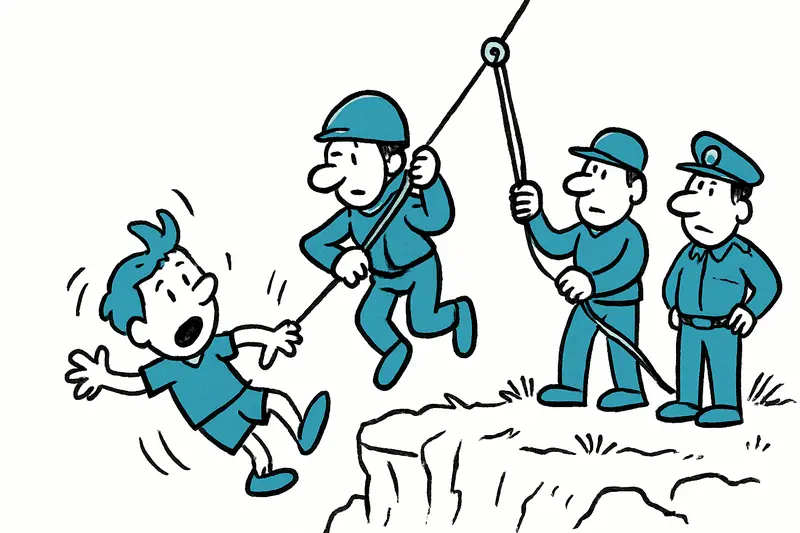
Nine-year-old rescued after cliff fall at Cala Murada — How safe are Mallorca's coastal paths?
A boy fell roughly five meters down the rocks near Cala Murada. The dusk rescue was elaborate; a helper also had to be r...

How safe are tourists in the luxury marinas? After arrests: a reality check
The Guardia Civil arrested two men in Calvià who are suspected of stealing luxury watches in Port d'Andratx and Puerto P...
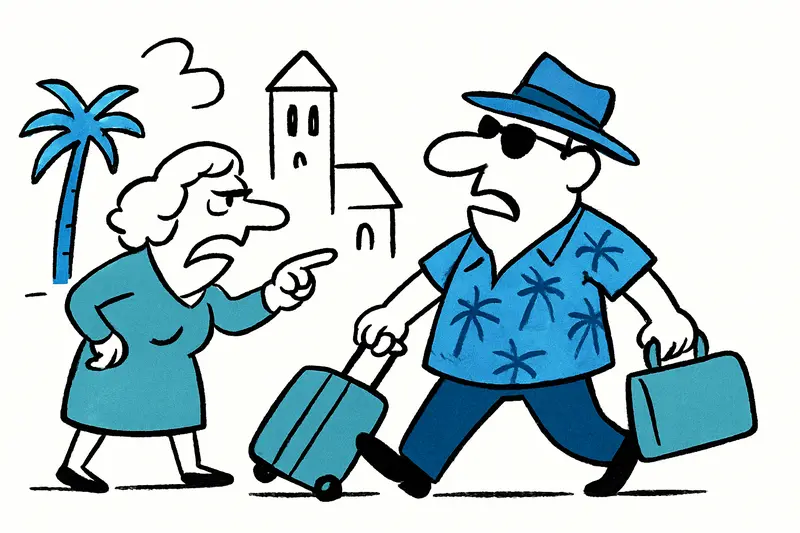
Palma Chases Wealthy US Tourists — The Key Question: Who Should the City Actually Serve?
The city is investing more than €200,000 to attract high-paying visitors in several US cities. A good idea — but what is...
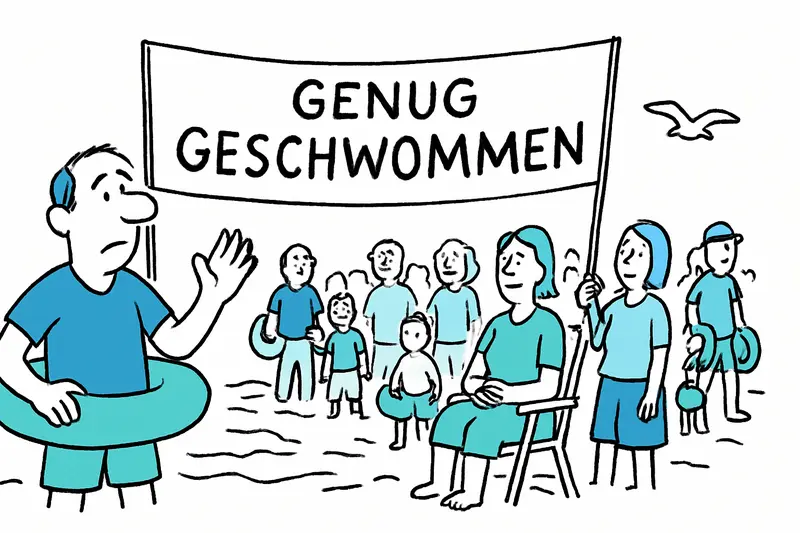
Enough swimming: Why Port de Pollenca is louder than the sea
More than 200 people formed a human chain in Port de Pollenca — not only as a protest but as a wake-up call. Guiding que...
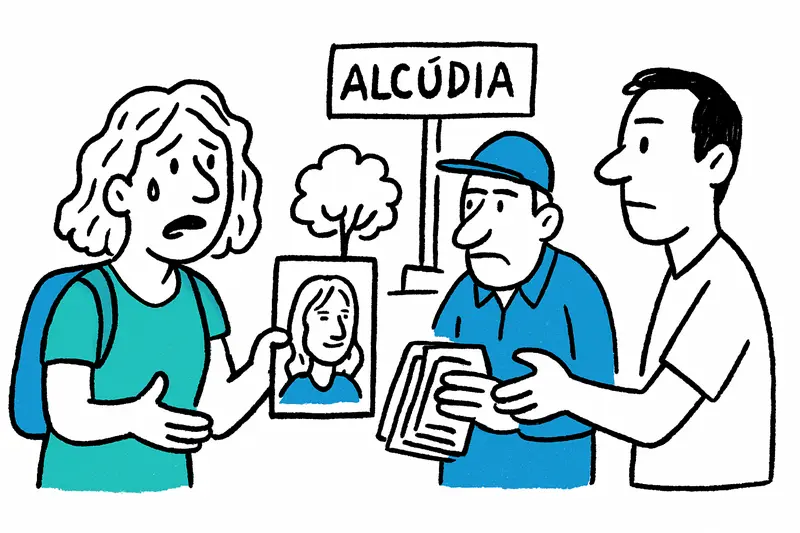
Mysterious disappearance in Alcúdia: Where is 24-year-old Lisa B.?
Since August 3 there has been no trace of 24-year-old German Lisa B. The family has traveled to Mallorca and urgently re...
More to explore
Discover more interesting content

Boat Tour with BBQ along Es Trenc Beach

Private transfer from Mallorca Airport (PMI) to Pollensa
