
Oriana takes over: Are Mallorca's warning systems and preparedness sufficient?
Oriana takes over: Are Mallorca's warning systems and preparedness sufficient?
Gale-force gusts up to 120 km/h, eight-metre waves and thunderstorms again: Why the island must not simply return to business as usual after Nils — and what is really missing.
Oriana takes over: Are Mallorca's warning systems and preparedness sufficient?
Key question: Are the current warning levels and local preparations enough to minimize damage and hazards during a new series of storms?
On Friday morning, a light drizzle ran down the roofs along Passeig Mallorca in Palma, and fishermen on the sea off Port d'Andratx rubbed their hands before finally lashing down their oars. The calm is deceptive. Forecasts from the national weather service AEMET make it clear: after the low-pressure system 'Nils', 'Oriana' is already on the way — bringing strong gusts of up to about 120 km/h to the island, hurricane-force winds at exposed capes and peaks, as well as thunderstorms, sometimes heavy rain and waves of up to eight metres.
Critical analysis: The warning situation is specific, but the repetition exposes vulnerable spots. Nils had already produced local wind peaks well over 150 km/h; trees toppled, harbors were closed, flights cancelled, as documented in Storm 'Benjamín': Is Mallorca Prepared for the Gusts?. The colour-coded system (yellow across the island, orange in the southwest and southeast according to AEMET) works as a signal. But signals alone are not enough if on-site preparedness is patchy: vulnerable stretches of coast, poorly maintained street trees, loose roof tiles in older districts and unsecured leisure boats in small coves — all of these multiply damage and the workload for emergency services.
What is missing from public debate: firstly, long-term tree maintenance in municipalities. Many fallen trees are not just the result of a single storm but years of neglect. Secondly, clear, practical information for harbor and boat owners is often lacking: exactly when must a boat be moved, who assists with that, which free berths does the municipality offer in an emergency? Thirdly, there is little debate about responsibilities: which authority clears the roads, who coordinates municipal emergency shelters during repeated events?
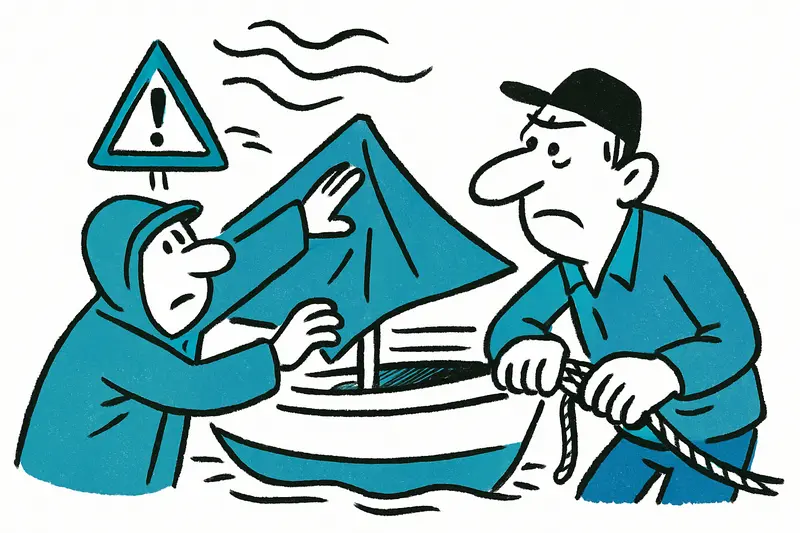
Everyday scenes on Mallorca: in Port d'Andratx you see neighbours gathering early in the morning to untie boats and remove loose tarpaulins; on the Plaça Major in Inca older people murmur about the rattling of shutters at night. On such days the fire brigade is not only needed technically but also humanly — it reassures, informs and organises temporary reception points. Such scenes show: the island is resilient, but not invulnerable.
Concrete solutions that could take effect immediately:
1) Preventive tree care and municipal priority lists. Municipalities should prioritise vulnerable avenues and squares and publish annual pruning schedules. That reduces falling trees and lowers the number of emergency calls.
2) Clearer harbour and boat rules during storm phases. Simple, publicly accessible checklists for small harbour operators and leisure skippers — plus a tiered system of emergency berths — help to avoid damage in coves.
3) Publicly visible reception points and pre-alerts. If schools, community halls or sports centres are planned as temporary gathering or emergency shelters, this must be communicated and signposted early, not only in the crisis itself.
4) Canal and street cleaning before the rainy season. Cleared drains reduce the risk of flooding during heavy rain.
Conclusion (concise): Warning levels are no substitute for everyday work. It is good that AEMET names the dangers — but pleasant words on screens do not save loosened roof tiles or tangled mooring lines. If the island community seriously wants to reduce the number of weather-related incidents, it must start where wind meets decay: in the maintenance of public spaces, in clear harbour procedures and in more accessible information for all households. A practical side effect: fewer night-time operations mean more well-rested neighbours and less noise on rainy mornings — and that has its own value on an island.
Frequently asked questions
What do Mallorca weather warnings actually mean for residents and visitors?
Is it safe to swim in Mallorca during strong winds and rough seas?
When is the storm season in Mallorca usually most disruptive?
What should I pack if I’m travelling to Mallorca during unsettled weather?
How prepared is Mallorca for repeated storms and strong winds?
What happens in Port d'Andratx when a storm is forecast?
Why is tree maintenance important in Mallorca during storms?
Are emergency shelters and reception points clearly organised in Mallorca during severe weather?
Similar News

Rental Car Theft in El Arenal: What This Incident Reveals About Our Gaps
A teenager steals a running rental car in El Arenal, flees on foot, climbs over walls and is caught by the Guardia Civil...
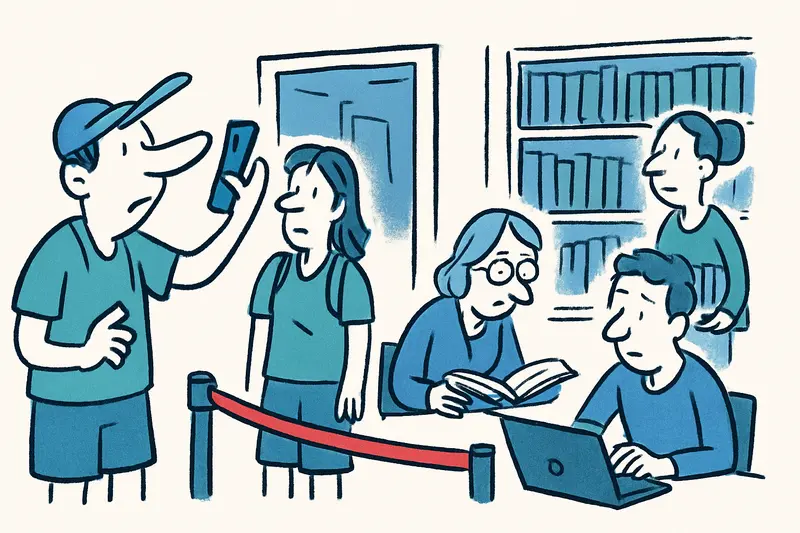
Red Rope in Palma's Library: What Helps Against Selfie Tourism — and What's Missing
Palma's city library cordoned off an area with a red rope to keep selfie tourism away from reading and working activitie...
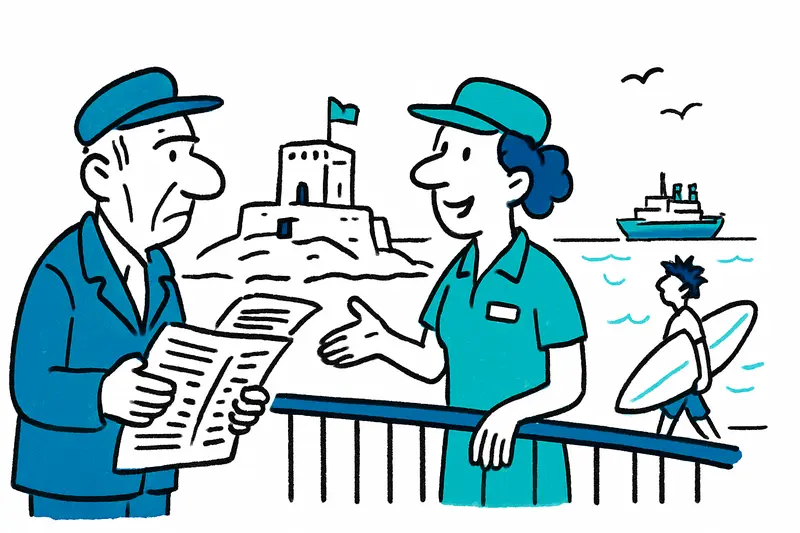
Fort San Carlos: Museum, Harbor Dispute — and a Conflict That Demands Answers
The military museum at Fort San Carlos sits right on Palma's harbor, with unexpectedly quiet rooms filled with cannons a...
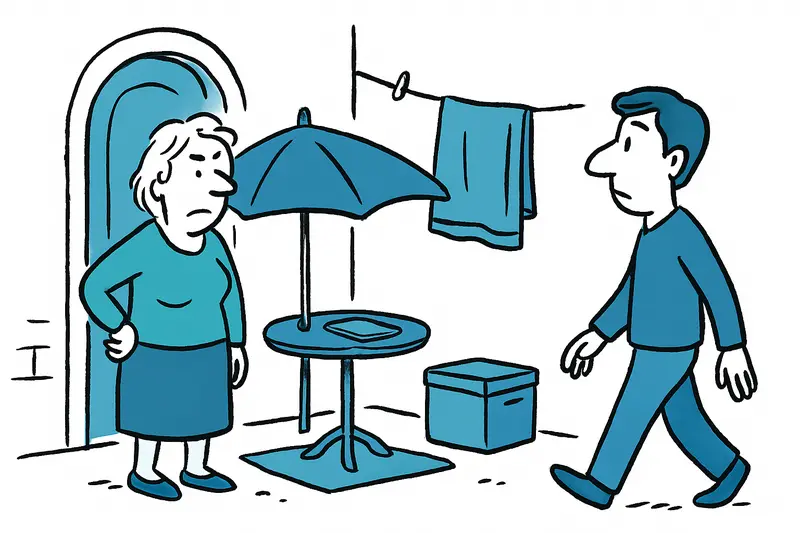
Old Town Under Pressure: When a Doorway Becomes a Sleeping and Shower Place
For months a woman has been living with a parasol, a clothes rack and personal belongings next to the social welfare off...
When Shopping Weighs Heavier: Mallorca Demands a Tax Pause on Food and Fuel
Rising prices are putting pressure on households and agriculture. The Balearic Islands are calling for temporary tax rel...
More to explore
Discover more interesting content

Can Cap de Bou

Townhouse Lleo 72
