
More than 1,200 Days in the Kennel: Óskar Finally Seeks a Home
More than 1,200 Days in the Kennel: Óskar Finally Seeks a Home
Óskar, a five-year-old Mallorcan shepherd dog, has been living in Son Reus for over three years. Key question: Why do large dogs stay in shelters so long — and what can the island practically do to change that?
More than 1,200 Days in the Kennel: Óskar Finally Seeks a Home
Key question: Why does a still-young dog like Óskar spend more than half of his life behind bars — and what must change on Mallorca so this doesn't become the norm?
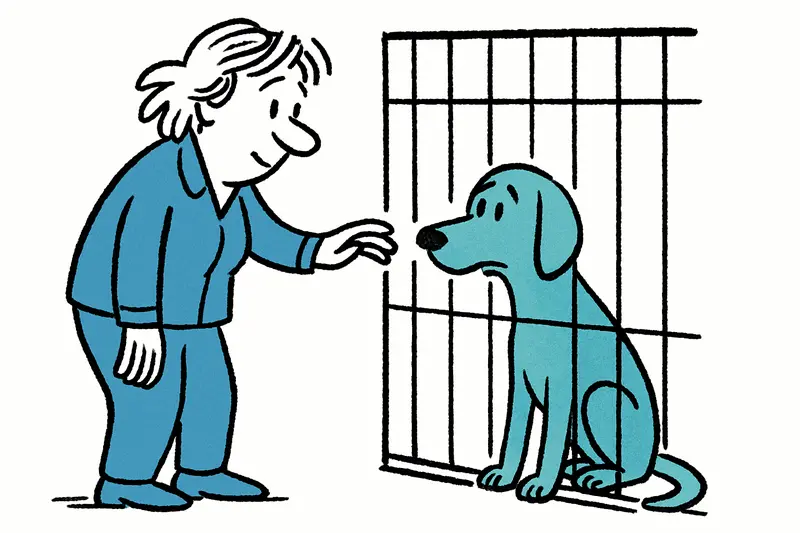
You stand in front of the fence of Son Reus on a cool morning. Cars honk on the nearby road, a garbage truck rumbles past, somewhere a small dog barks tirelessly. From one of the kennels comes Óskar's calm voice: a deep, somewhat shy tone that invites petting. He is five years old, neutered, likes fetching balls and loves swimming in pools — and he has spent more than 1,200 days in the shelter.
The facts are plain and heavy: Óskar lost his home after his owner died unexpectedly. Volunteers like Sonia Sánchez walk him four times a week. He gets along with dogs, cats and birds, shows obedience, but is a bit stubborn and food‑guarding at meals. An ideal home for him would be a house with a garden, people who give him security and routine — and patience, because trust is not built overnight.
The situation is not an isolated case. In Son Reus there are also Golfo, a seven-year-old mixed breed with lots of energy, and Nun, an about four-year-old Border Collie, who have also been waiting a long time. Life in a kennel is especially hard for large dogs: too little exercise, too little stimulation, visible stress. Anyone who has stood at the entrance on a late afternoon knows the mix of dog smell, iron and the distant roar of the city — and sees the long shadows in the enclosures.
Critical analysis: Why does Óskar stay so long in the shelter? A few reasons are obvious. Many people think of adopting puppies first. Medium to large dogs, especially older ones or those with a history, have a harder time. The preparations for life with a dog — time, space, finances — deter many. Some potential adopters shy away from the perceived burden of taking a dog "from the shelter" because they fear difficulties during the settling-in period. At the same time, there is often a lack of structured aftercare following placement: Who helps with problems in the first weeks? Often nobody. Pet ownership on Mallorca is also made difficult by tight rental markets and scarce living space; a garden is not a given.
What is missing in the public discourse: There is a lot of talk about stray animals and neutering campaigns, but little about concrete support offers for adoptions and the ongoing support of shelters in the low season. High-profile reporting, such as on 27 dead hunting dogs at the port of Palma, also points to gaps in enforcement and oversight. Another topic that gets too little attention is the psychological strain on the animals: prolonged life in a kennel affects behavior and health — and thus their adoptability.
Concrete solutions that would be practical here on Mallorca: 1) Build a stable foster network: volunteers take dogs into homes for weeks to months so they can practice daily life, leash walking and social behavior. 2) Adoption weekends in lively spots like Mercat de l'Olivar or Santa Catalina, where people can meet dogs without having to decide immediately. 3) Aftercare packages: a starter kit with check-ups, behavior counseling (a few mandatory phone appointments in the first six weeks) and a contact person for emergencies. 4) Partnerships with holiday home renters or pool owners for "trial weekends" (Óskar loves water) — cautiously and with contracts, but useful to test his preferences. 5) Education on food-guarding and practical solutions (separate feeding zones) so adopters need not be afraid of small problems.
An everyday scenario that gives hope: On a Saturday morning two women from Palma arrive with their calm dog to meet him. They play with Óskar, let him walk on a leash, test him with a small plastic tub — he jumps in immediately and paddles happily. The women laugh, speak softly to each other, and for a few minutes there is that possible-home feeling, like the glow on the volunteers' faces when placements succeed.
For those who think this is mere sentiment: it's about practical animal welfare. A shelter cannot permanently replace the quality of life a large dog needs. The island has resources: committed volunteers, veterinarians, holiday accommodations, neighbors with gardens. What is missing is the connecting offer — an interface that brings people and dogs together and makes new adoptions less risky; local stories, such as the case of a female dog found in a trash container in Pollença, underline why change matters.
Conclusion: Óskar doesn't need a long moral lecture, but people who see him, meet him and support him. The key question remains: Do we continue to watch dogs lose years in kennels, or do we organize the steps that make placements more likely? A concrete first step is simple: anyone who has a house with a garden, time and willingness can call Son Reus, visit Óskar, walk him — and maybe share their Christmas cookies this year with a new four-legged roommate.
Frequently asked questions
Why do some dogs in Mallorca spend so long in shelters like Son Reus?
What kind of home does a shelter dog like Óskar need in Mallorca?
Can you adopt a dog from Son Reus in Mallorca if you live in a rental?
What should I know before adopting a large dog in Mallorca?
Does Óskar like water, and is that relevant for adoption in Mallorca?
What is the foster care approach for shelter dogs in Mallorca?
Where can people meet shelter dogs in Mallorca without feeling pressured to adopt?
Why is aftercare important after adopting a rescue dog in Mallorca?
Similar News
By Boat Instead of the Road: Palma's Water Bus — a Reality Check
The 'Bus Nàutic' launches in two stages — but questions remain over interim operations, fares and environmental requirem...

Several Days of Rain Approaching: How Well Is Mallorca Prepared?
Aemet says: rain from Thursday until at least Tuesday, especially heavy on Monday. Temperatures remain mild. A reality c...
Nervous Reaction at a Traffic Stop: Why Campos Is Not Just a Sniffer-Dog Problem
At a traffic stop in Campos a 37-year-old German was arrested with a bag full of drugs. Our reality check explains why s...

Cameras Against Illegal Dumping: Porto Cristo Monitors Problem Areas – a Reality Check
Manacor has installed four surveillance cameras at particularly problematic waste spots in Porto Cristo. A local check a...
Reality check: Palma's "white" torrent — harmless salt or neglected warning sign?
White crusts on the Torrent de Sa Riera are causing a stir. Emaya describes them as salt deposits. Our reality check: wh...
More to explore
Discover more interesting content

Can Cap de Bou

Townhouse Lleo 72
