
Weather chaos at Palma Airport: Why a thunderstorm brings more than just delays
Thunderstorms over Palma are causing numerous flight delays. A look behind the departure boards: what this means for travelers — and what could be improved?
Weather chaos at Palma Airport: More than just a few minutes' delay
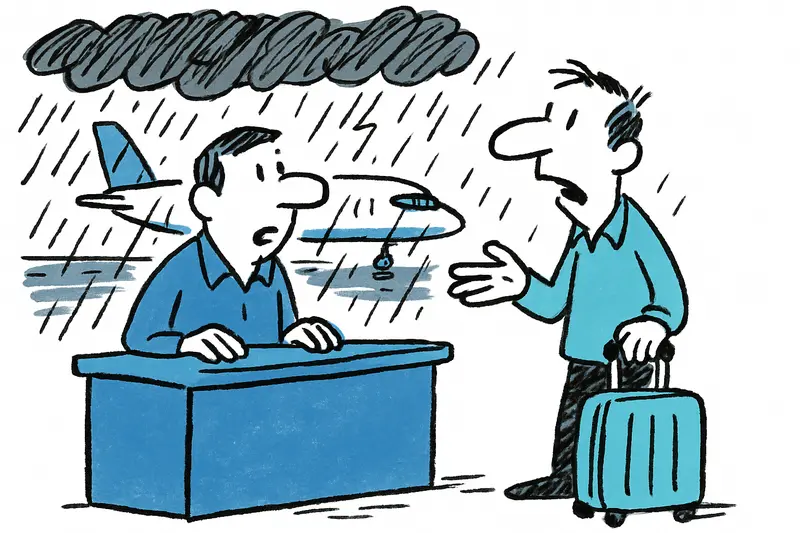
This morning at Palma Airport smelled of wet asphalt and espresso: rain pouring outside, restless announcements over the loudspeakers and on the screens instead of orderly departure times repeatedly the word "Retrasado". Passengers from Terminals A and B pushed through longer security checks, cafés were overcrowded, and amid distant thunder it became clear: a thunderstorm here is not just weather, it is a logistical stress test. This is documented in Rain Chaos at Palma Airport.
Key question: How well is Palma prepared for such extreme weather?
The obvious answer is: functional, but vulnerable. Several connections to Germany and the UK departed late — Eurowings flights to Düsseldorf and Salzburg, for example. Delays were mostly between an hour and 90 minutes; some arrivals landed considerably later than announced. Fortunately: so far there have been no reported cancellations. But that is only part of the picture. Similar accounts appear in Storm chaos in Palma: Why a thunderstorm disrupts the airport.
What is little discussed is how such incidents ripple through the day: slots shift, ground crews work longer, pilots and cabin staff hit duty-time limits. A single thunderstorm can trigger a chain reaction that affects evening connections. All this plays out against a backdrop of honking taxis at the exit, wet suitcase wheels in the arrivals hall and frustrated families standing in corridors searching for their next connection.
Which problems are hardly addressed?
First: communication. Not every delay is passed on in real time to all onward-service providers. Transfer drivers, hoteliers and car rental companies often learn of changes only with delay. Second: limited infrastructure. When many flights are delayed simultaneously, belts, baggage tugs and the already scarce waiting areas become tight. Third: staff protection and rest times — an extended shift for ground crews has legal limits, which in turn can cause further delays. These issues were highlighted in Storm Chaos in Palma: Why a Storm Slows the Airport So Much — and What Needs to Change.
And fourth: travelers are differently prepared. Some know their rights and have flexible connections, others are left without a plan. Families with small children or older passengers are particularly affected — not every airport bench is comfortable, and not every raincoat protects against the long wait for a shuttle.
Solutions and opportunities: What should Palma do better now?
In the short term, better, more consistent communication helps most: real-time updates via AENA flight updates, airline apps and clearer announcements in several languages. A digital coordination center that synchronizes departures, ground staff and transfers would already bring a lot of relief.
In the medium term, investing in infrastructure pays off: covered walkways between terminals, more flexible baggage belts and reserved waiting zones for connecting passengers would create buffers. Equally important are clear rules for prioritizing passenger groups (families, connecting flights, medical cases) when resources are limited.
In the long term, the airport could strengthen its resilience with weather-proof operating concepts and investment in AEMET weather alerts. Not every storm can be prevented — but you can learn to manage it less painfully. And no: this is not a luxury, but a competitive factor for an island that depends on tourism.
Practical tips for travelers today
Allow extra time, check status updates continuously, and inform your transfer provider early. If you arrive: keep an eye on your baggage, report delays immediately to onward providers, and don’t panic — ground crews and control points are working with priority on solutions. According to forecasts, the situation should calm down toward the evening, but reliable times will only be available once the storm subsides.
Conclusion: The thunderstorm is a reminder: Palma works, but it could be better organized. Anyone serious about promoting the island as a year-round destination should invest in more robust processes. For today: stay calm, build in buffers and bless the terminal coffee machine — it keeps many travelers in a good mood.
Frequently asked questions
Why do thunderstorms cause such big delays at Palma Airport?
How long do flight delays usually last at Palma Airport during bad weather?
What should I do if my flight from Mallorca is delayed at Palma Airport?
Is Palma Airport prepared for heavy rain and thunderstorms?
What is the best time to check weather alerts before flying to Mallorca?
Can a thunderstorm at Palma Airport affect airport transfers in Mallorca?
Why are families and older passengers especially affected at Palma Airport during delays?
What improvements could make Palma Airport more resilient in bad weather?
Similar News
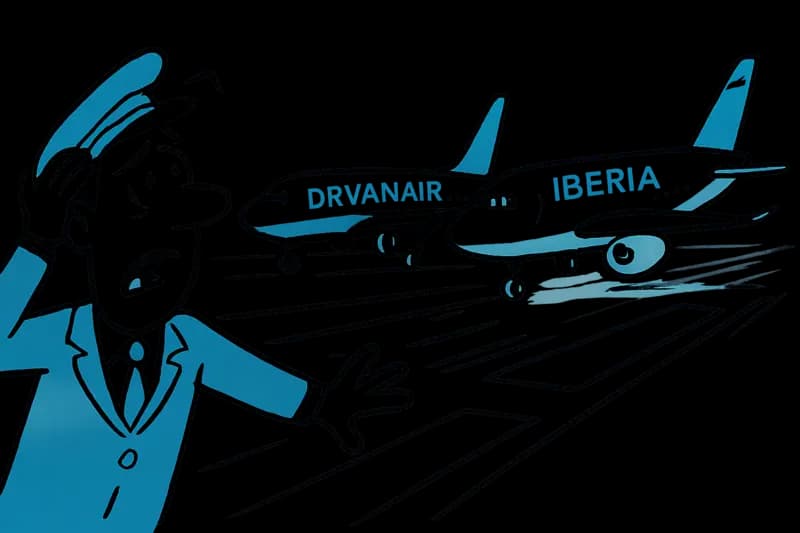
Near-miss on Lanzarote: Landing Ryanair Jet and Iberia Takeoff — what really went wrong
On Lanzarote there was a dangerous incident: A Ryanair flight (FR5910) from Dublin landed on runway 03 while an Iberia E...

Eurowings introduces new Premium Business seats on Mallorca routes
From December 1, selected Eurowings flights to Palma and other destinations will feature eight particularly generous sea...

Car on MA-13 near Inca in flames – a safety check for the island
A vehicle caught fire on the MA-13 towards Alcúdia on Tuesday afternoon. The driver was uninjured, the car was destroyed...

Real Estate in Mallorca: Fewer Buyers, Higher Prices — What's Behind It?
Sales on Mallorca are falling, yet prices continue to climb. Why fewer transactions do not equal relief — and what shoul...
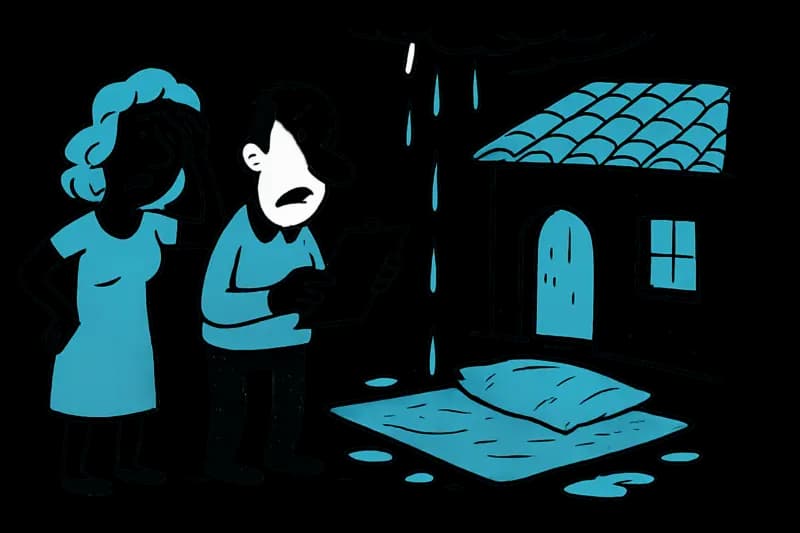
Just Bought — Already Trouble: Water Damage in the Heiters' Villa and What Owners in Mallorca Should Know Now
A newly purchased sea-view property — and within days a water damage. What risks lurk in new properties in Mallorca, and...
More to explore
Discover more interesting content

Can Cap de Bou

Townhouse Lleo 72
