
Storm Chaos in Palma: Why a Storm Slows the Airport So Much — and What Needs to Change
Hundreds of delays, cancelled flights and long queues at Gate B5: a severe thunderstorm slowed Palma Airport. We ask: Is it solely the weather — or are there systemic weaknesses?
Severe weather hits Mallorca — and the airport suffers
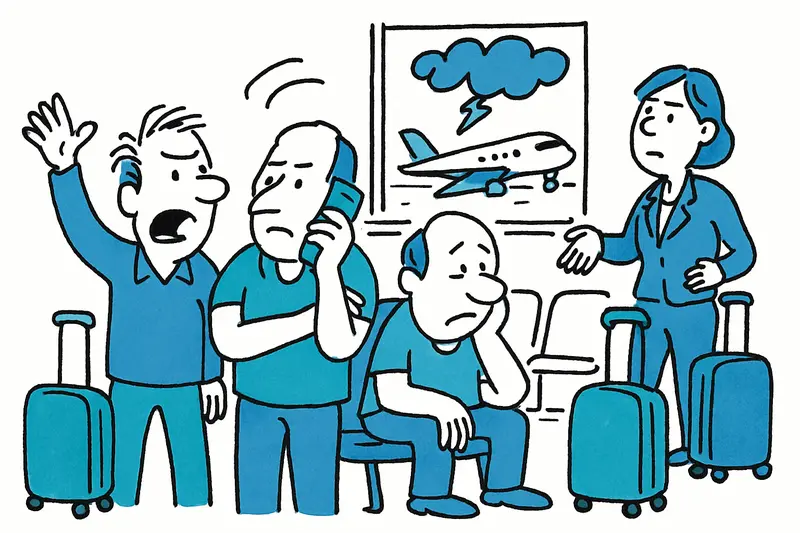
In the afternoon a different sound echoed through the main hall at Palma Airport, reported in Summer thunderstorm brings Palma Airport to a halt — Nearly 100 delays and what it means for travelers, than usual: not only the nervous roll of suitcase wheels and the quiet clatter of escalators, but the pattering drum of rain on the metal roof, punctuated by the occasional roll of thunder. For many standing at Gate B5 with tickets, children and coffee cups in hand, a short holiday departure or trip home quickly turned into a test of patience.
The key question: Was it just the weather?
The raw numbers speak clearly: 906 flights were scheduled for September 9, as detailed in Weather chaos at Palma Airport: Why a thunderstorm brings more than just delays. Around 41 flights were cancelled, nine aircraft were diverted, departures were delayed by an average of about 3 hours and 15 minutes, and arrivals by around 2 hours and 20 minutes. AEMET reported regional rainfall peaks of up to 22 liters per square meter in ten minutes and classified the situation as Orange alert. But the central question remains: Is a heavy downpour enough to collapse an entire flight network — or does such an event reveal structural weaknesses?
Analysis: More than just rain
Thunderstorms require, for good reason, greater spacing between take-offs and landings. Safety is the priority. But the consequences of today’s storm also highlight other problems: tight slot schedules in peak season, small buffer times, limited diversion capacity and often thin staffing reserves. When many slots have to be neutralised at once, quick alternative plans are missing — and the clock is ticking.
Infrastructure issues add to this: where water accumulates faster than it can drain, ground operations are delayed. Baggage conveyors, service roads to the aircraft and taxiways are vulnerable to heavy rainfall. The terminal smelled of wet asphalt today, and outside taxis crept slowly along the autopista — small delays add up.
What often gets little attention in public debate
The discussion usually focuses on cancelled flights and angry passengers. Rarely does it address:
- coordination between regional airports (Palma, Ibiza, Barcelona) so diversions can be organised more quickly; see Storm chaos in Palma: Why a thunderstorm disrupts the airport — and how we should plan smarter.
- how airlines and ground staff deliver information digitally and in real time to travellers;
- infrastructural weaknesses, such as inadequate drainage or a lack of covered waiting areas for large numbers of passengers.
Concrete: How to handle such cases better
Practical measures can be derived from today’s experience:
- Early warning and slot management: An automated system that dynamically releases and reallocates slots when an Orange alert is issued would reduce cascading delays, as discussed in Power Outage and Storm: What the Incident at Palma Airport Really Reveals.
- Better passenger communication: Push notifications, clear notices at gates and additional information counters calm people more quickly than endless waiting loops. Today long lines formed at information points and phones were constantly ringing.
- Infrastructure and drainage: Investments in faster water drainage and weatherproof ground service roads shorten turnaround times after heavy rain.
- Padded capacities: More flexible staff reserves and cancellable standby flights/buses for severely affected routes help move passengers off the island faster.
What travellers should know and do now
Practically, this means for those affected: check your flight status before heading to the airport, use apps for real-time updates and sign up for rebooking options. For those who had to wait today: a double espresso in the departure area helps short-term, better information soothes long-term.
Outlook: Learning from the rain
Airport management and Aena rightly emphasise that decisions are made for safety reasons. But safety and efficiency are not mutually exclusive. Mallorca is an island with high seasonal traffic — weather-related disruptions like today’s demand a robust response system. Those who want to spend less time in long, angry queues should push for technical integration, preventive planning and local infrastructure improvements.
In the evening calm gradually returned. The rain eased, terminal displays were updated, and some passengers breathed a sigh of relief. But the memory of the drumming on the roof and the long taxi queues will remain — along with the question of whether we will draw the right lessons from such days.
Frequently asked questions
Why do thunderstorms cause such big delays at Palma Airport?
What should I do if my flight from Mallorca is delayed by a storm?
Is it safe to fly from Mallorca during a thunderstorm?
When is storm season most likely to affect Mallorca Airport?
How long can delays at Palma Airport last during heavy rain?
Does heavy rain affect ground operations at Palma Airport too?
Why are flights sometimes diverted from Mallorca to other airports?
What can Palma Airport improve to handle storms better?
Similar News

Palma Gets a Welcoming Park: Tirador Goes Greener — and a Café Is Coming
A new green project in Es Fortí/Camí de Jesús will transform the old Voltadora into a city park with an experience fores...
Why the End of "Los Últimos Mohicanos" Is More Than the Closing of a Bar
With squealing tires and one last glass, an icon on the Palma–Manacor expressway closes. Why the demise of this German b...

Protest camp on Plaza España: Who asks for solutions to the right to housing?
Around 30 activists set up a tent camp on Palma's Plaza España to push for stronger tenant rights. Our analysis asks: Ar...

In the Name of a Gang: Alleged Extortion in El Molinar and What It Reveals About the Protection of Sex Workers
A man is accused of posing as a member of the Hells Angels and extorting two women at accommodation in El Molinar. The s...

When Chile Meets the Mediterranean: A New Flavor at Can Bordoy
At Can Bordoy in Palma's old town, Chilean chef Jhonatan Maldonado combines Patagonian seafood with Mediterranean island...
More to explore
Discover more interesting content

Can Cap de Bou

Townhouse Lleo 72
