
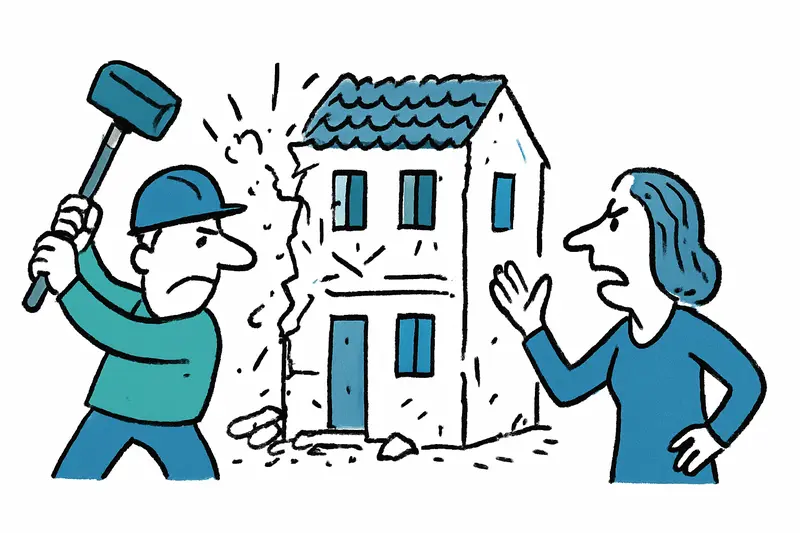
Palma clears out: Demolition at Avenida Joan Miró 43 sparks debate
Palma clears out: Demolition at Avenida Joan Miró 43 sparks debate
The city of Palma is demolishing a long-dilapidated 1920s house on Avenida Joan Miró. Safety is set against values of memory. What is missing in the public debate?
Palma clears out: Demolition at Avenida Joan Miró 43 sparks debate
A house built in 1925 will be removed later this year – the city cites risk of collapse, critics complain about lack of transparency.
Key question: Must the protection of people from imminent danger automatically mean the end of historic buildings, or could there have been alternatives to demolition?
The news is brief: Palma's city administration plans to demolish the building at Avenida Joan Miró 43 later this year. The house dates from 1925, has long been considered at risk of collapse and was recently no longer usable. The building contains six apartments and three storefronts. According to the administration, the demolition is intended to create a passage to Plaza Mediterráneo.
At first glance that sounds reasonable. A decaying facade, crumbling plaster, perhaps cracks in load-bearing walls — this can quickly become dangerous. However, demolition is not the only possible response to structural decay; similar cases have prompted other approaches and discussion, as in Demolition halted in Palma: What Gaspar Bennazar’s house teaches us about heritage protection.
However, demolition is not the only possible response to structural decay. The decision raises questions that have so far hardly been addressed in public discussion: Who neglected maintenance for years? Were there expert reports that examined renovation possibilities? What rights do the residents have and how are they compensated or relocated?
A critical view shows: In Palma's city center, pressure has been growing for years between public safety, economic interests and the protection of urban memory. Buildings from the 1920s tell of a time when the city developed differently. Their fabric may be fragile, but their social and cultural value remains. The demolition at Avenida Joan Miró is a visible example of a practice that is all too often enforced with pragmatic effort and without broad public discussion; see Demolition in Palma: When Reconstruction Replaces the Original.
What is missing in the public discourse is concrete transparency. People on the street want to understand exactly why demolition and not stabilization or facade preservation. They want to know how the city assessed the costs, who the owner is and which steps were taken before the decision was made. It is also not being publicly addressed what effects the gap in the row of houses will have on noise, wind tunnels or traffic.
Everyday scene: On a cold morning you can hear the buses on Avenida Joan Miró, delivery vans maneuvering, and at the kiosk on the corner two neighbors debate over coffee and a newspaper. One says: 'The house was always crooked, I played there as a child.' The other shakes her head: 'It wasn't pretty, but now there's space – for what? More cars, or a passage nobody cares about?' Anecdotes like this appear alongside reports such as When Doors Are Bricked Up: Reina, Luna and the Escalating Housing Crisis in Palma. These are the kinds of reactions that occur when administrative matters meet everyday life.
Concrete solutions the city could present include: first, publication of the technical reports and the decision-making process so that neighbors and interested parties can understand why demolition was deemed necessary. Second, examination of alternatives such as preserving facades and eaves, structural stabilization or partial dismantling instead of a complete demolition. Third, a binding concept for dealing with affected residents and shop owners – short-term emergency housing, clear compensation rules and assistance with relocations. Fourth, systematic recovery and documentation of historic building elements before removal: doors, fittings, tiles could be conserved or displayed in a small local archive.
Another proposal: If the city wants to create a new passage to Plaza Mediterráneo, the project should be thought through from an urban design perspective and not simply end as a gap in the block. A small square or a designed passageway can provide a connection, but qualities are lost if it is planned merely as a shortcut. Citizen participation, at least in the form of an information event, would build trust.
In conclusion: Safety has priority, that is beyond question. But the way decisions are made shapes Palma's appearance. Demolition must not be the default answer to every case of decay. When houses from the 1920s disappear, more than mortar and bricks are lost — a piece of everyday memory fades. The city should now take the opportunity to make its process more open, properly document damaged material and not leave the people on site out of the conversation.
This demolition will not only leave a gap in Avenida Joan Miró, but will also be a test of how Palma deals with its urban heritage.
Frequently asked questions
Why is the building at Avenida Joan Miró 43 in Palma being demolished?
What happens to residents and shop owners when a building in Palma is demolished?
Could the house at Avenida Joan Miró 43 have been renovated instead of demolished?
Why do Palma residents want more transparency about this demolition?
What impact will the demolition have on Avenida Joan Miró in Palma?
What was the building at Avenida Joan Miró 43 in Palma used for?
What should the city of Palma do before demolishing a historic building?
How does the Avenida Joan Miró case fit into Mallorca’s heritage debate?
Similar News

Mistaken identity with fatal consequences: Brutal assault in S'Aranjassa — what's missing in the follow-up?
At S'Aranjassa a visitor to a finca was tied up, beaten and thrown out of a van. Three men have been arrested, including...
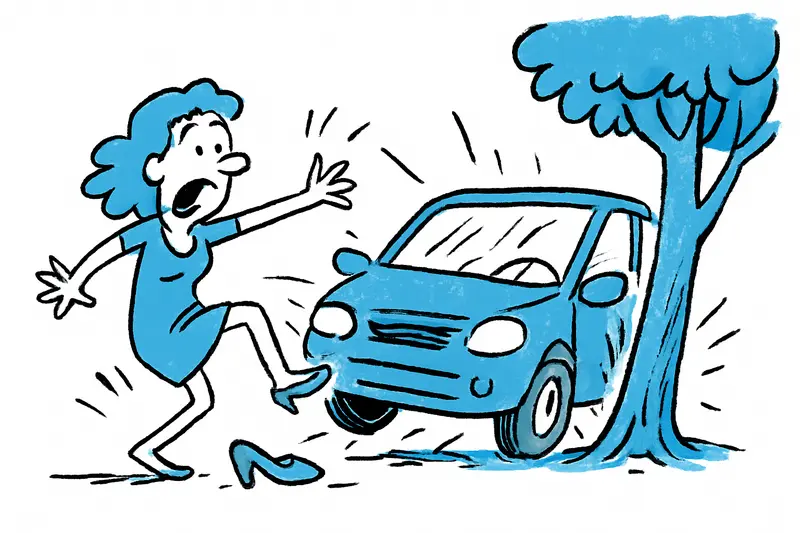
High heel slips, car accelerates: accident on Camí de Son Hugo
A woman lost a high-heeled shoe on the forecourt of the sports facility at Camí de Son Hugo. The car accelerated, mounte...
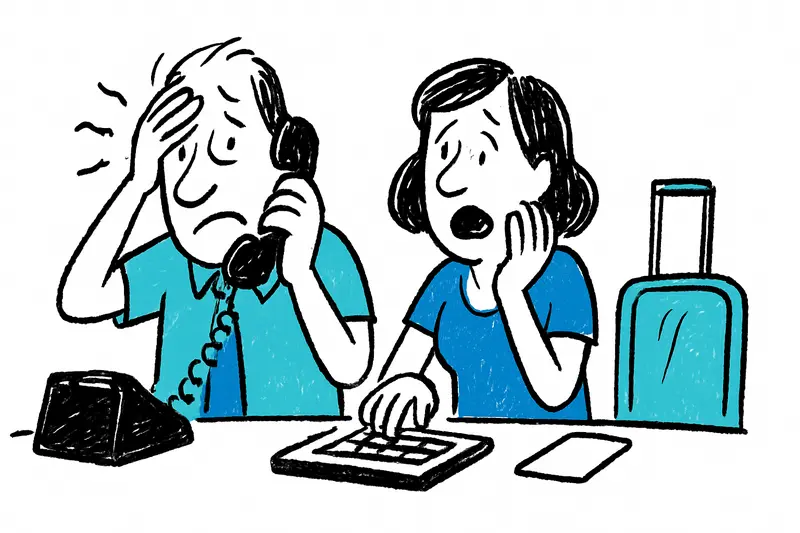
Phone Scam: How Two Hotel Employees at Playa de Palma Lost Thousands of Euros
One morning in September, two reception employees at Playa de Palma were pressured by alleged alarm-company staff — in t...
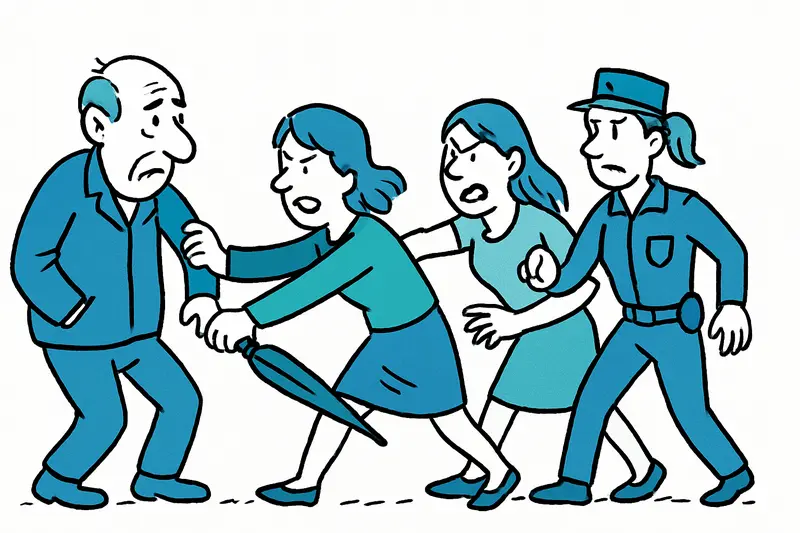
When the Wallet Becomes a Danger: Attack in Peguera and Lessons for Mallorca
In Peguera, two women are said to have stolen the wallet from a 75-year-old German couple. When the victim intervened, t...
Plata stays Plata: Young people take over, Llonguets remain
A small bar on Carrer de l'Argenteria will continue: Tolo Serra hands the place over to young Mallorcans at the end of t...
More to explore
Discover more interesting content

Can Cap de Bou

Townhouse Lleo 72
