
El Terreno Gets an Elevator — a Small Step with Big Impact
A new elevator is set to finally connect El Terreno barrier-free with the Paseo Marítimo. For residents it means everyday relief — for the neighborhood a chance for new meeting places and improved quality of life.
El Terreno Gets an Elevator — a Small Step with Big Impact
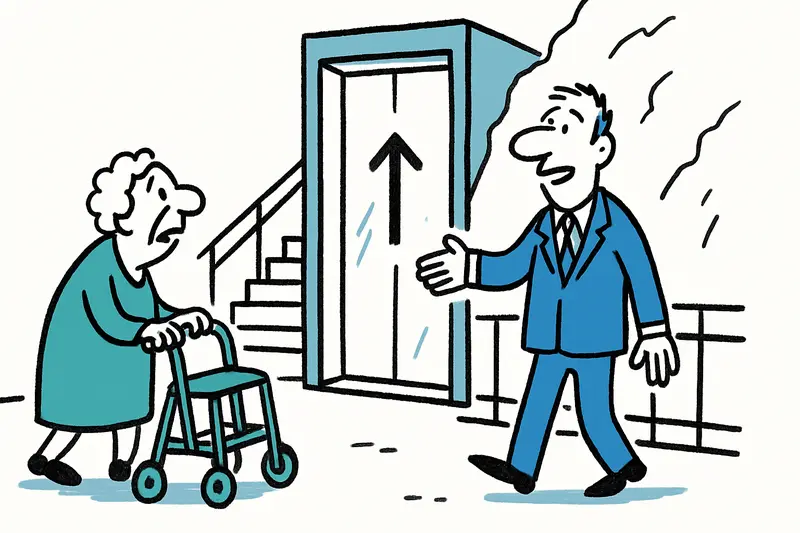
The difference in elevation between Calle Joan Miró and the sea is tangible here: you go up three or four steps, pant briefly, hear the church bell and already the harbor breeze hits your face. Last week, 9:15 a.m. at the corner café, an elderly woman pushed her walker past and said dryly, “That would be a gift.” That's exactly what's now planned: an elevator that connects the neighborhood directly with the Paseo Marítimo.
What is planned
Around €552,000 has been budgeted for the project. Architect Joan J. Fortuny describes a solution with several access points: in total four new connections are intended to network stairs, squares and meeting places so that El Terreno connects more easily, above all barrier-free design, to the sea. Not a pompous monument, but pragmatic interventions in the rocky landscape.
More than just a means of transport
For many neighbors it's about much more than comfort. Strollers, wheelchairs, older people and everyday cyclists get a direct, safe route. For those who commute daily between the residential street and the promenade, an unnecessary obstacle disappears — especially on hot afternoons or when a tired wind comes in from the sea. An elevator here is therefore not only more practical but also a small step toward social inclusion.
Design, privacy and neighborhood atmosphere
The planned construction emphasizes restraint: not an Instagram-ready glass tower, but a robust, discreet structure that respects the privacy of the houses. At the bakery next to the church, residents discussed whether this would bring more foot traffic to the upper Calle — some hope for livelier corners, others fear more passers-through. Both sides are understandable; in Palma you know this mix of a desire for quiet and the urge for connection.
Urban development with a small footprint
The measure is not a large-scale infrastructure project, but it has symbolic power. A well-placed, functional connection can change how a neighborhood is perceived: routes become part of everyday life again, small meeting points could arise at the lower end of the Calle, benches and some greenery invite people to linger. It is important that the solution remains low-maintenance — otherwise it quickly decays into a technical ruin instead of becoming a real gain.
What's next
After an earlier tender failed, the administration reopened the procedure. An official construction start is not yet on the calendar, but residents expect initial preparatory work in the coming months. Beyond the construction itself, elevator maintenance, safety and accessible approaches to the entrances will be crucial: good lighting, simple operation and regular cleaning make the difference.
A small, practical detail could make a big difference: simple seating in the shade, plants and clear signage. That way a technical solution becomes a real meeting place — the old man with the walker stays, children ride their scooters, and the sailors on the Paseo greet each other as they pass by.
In short: not a huge project, but a noticeable improvement for everyday life in El Terreno. For the neighborhood it means relief, for the quarter a chance for new, pleasant ways to the sea. And who knows — maybe on the way down you'll soon hear laughter more often instead of heavy steps.
Frequently asked questions
What is planned for El Terreno in Palma?
Why does El Terreno need an elevator?
How much will the El Terreno elevator cost?
Will the new El Terreno lift be accessible for wheelchairs and strollers?
When will construction start on the El Terreno elevator?
Will the El Terreno elevator change the neighborhood atmosphere?
What makes the El Terreno elevator different from a major infrastructure project?
What should a good elevator in El Terreno include?
Similar News
The End of the Cheap Ride? Why Mallorca Is Hit Harder by the Fuel-Price Shock
Gasoline and diesel average close to two euros per liter. What this means for commuters, supply chains and renters in Ma...
Relaxed liquid rules in Munich: What Mallorca travelers will notice
At Munich Airport the 100-milliliter rule will be lifted at all checkpoint lanes — thanks to new CT scanners passengers ...
For 45 Years on Mallorca — and Then This: How a Market Visit in Santa Ponsa Became a Lesson
A woman who has lived on the island for decades lost money and important documents at the Mercat Setmanal in Santa Ponsa...
10 percent surcharge on the beach: How legal and transparent is the extra charge at Playa de Muro?
A German part-time resident noticed days after a restaurant visit in Playa de Muro that the bill included a flat ten per...
Body near the Llevant Market: What this death says about our city
A man was found dead on Sunday afternoon near the Llevant Market. Police say the death appears natural. The scene raises...
More to explore
Discover more interesting content

Can Cap de Bou

Townhouse Lleo 72
