
Intermodal Station: A little noise today, a more reliable station tomorrow
New escalators, fresher restrooms and improved accessibility — sounds good. But is the redesign at Palma's main transport hub smartly planned? Our analysis looks at costs, timeline and commuters' daily experience.
An upgrade with drilling noises: What is happening at the Intermodal Station?
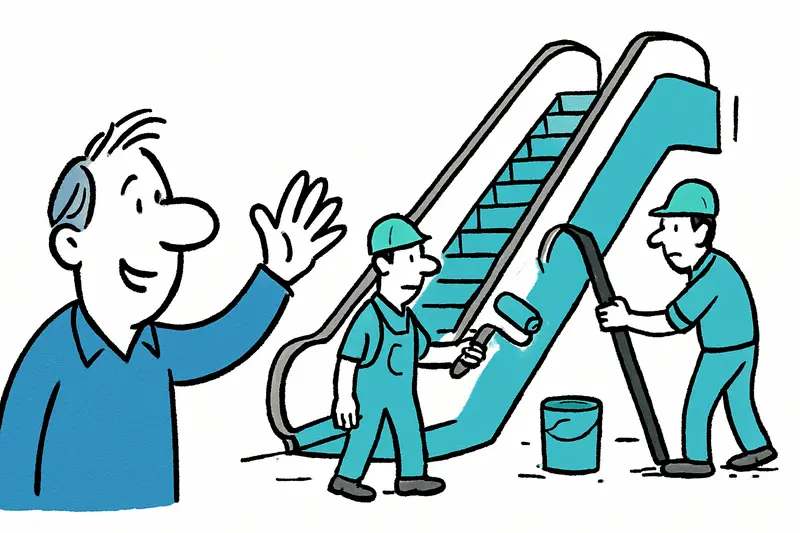
Since this week the Plaça d’Espanya sounds a bit rougher: drills, the hum of scaffolding, voices in orange vests and the occasional beep of a forklift. The Intermodal Station is getting new escalators, a fresh coat of paint, newly tiled restrooms and improved lighting. Local reporting examines these changes in detail (see Fresh Breeze, New Escalators — and Many Questions: Palma's Intermodal Station Between Investment and Everyday Life).
The key question: Are noise, costs and users' daily needs sensibly balanced?
Officials promise improved accessibility and fewer breakdowns. The bill: around €2.5 million, spread over two construction phases until mid-2026. The central question remains: how well is the site organized so that commuters, TIB passengers, taxi drivers and the cafés on the Plaça do not suffer permanently? And: is the opportunity being used to make the mobility hub sustainable and future-proof?
What looks good so far — and what still needs clarification
It is positive that at least one escalator per direction remains open at all times and that the elevator is continuously available. For people with strollers or heavy luggage this is a noticeable relief. Equally welcome are more modern sanitary facilities and better lighting — small things that nonetheless improve many people's daily lives.
Less clear is the communication during disruptions (see When the Articulated Bus Broke Down: Hours of Chaos at the Estación Intermodal): which alternative routes are clearly and visibly signposted? How will time-sensitive deliveries by buses and taxis be coordinated? Local café owners are already noticing concrete dust on croissants, and commuters complain about early work starting at 7 a.m. Early shifts make sense, but they also affect breakfast businesses and the commuters who dislike early mornings. At the same time, train punctuality controversies, such as changes to the delay threshold, aggravate feelings (see Eight Minutes Instead of Three: New Punctuality Rule Infuriates Commuters).
Budget under review
€2.5 million sounds like a lot — but is it really? If you spread the sum across daily use (thousands of travelers, commuters and tourists), the amount quickly looks more reasonable. What matters is that this expense is not merely cosmetic, but actually reduces outages over the long term, lowers maintenance costs and improves energy efficiency. Otherwise it risks becoming an expensive patchwork. Other coverage has questioned whether the planned spending is sufficient (see Lots of Money, Lots of Work — But Is It Enough for Palma's Intermodal Station?).
Aspects that have received too little attention so far
First: energy consumption. Modern escalators can operate much more efficiently — with standby modes and LED lighting. That saves operating costs and reduces CO2, a point worth mentioning more often on Mallorca. Second: spare parts and supply-chain risks. A missing special part can delay a timetable by months. Third: a maintenance concept after installation. Who will be responsible in the long term for regular inspections and quick repairs?
Concrete opportunities and suggestions
There are practical steps that would make the construction site more socially acceptable and efficient:
1. Better communication: real-time updates on site (large boards, QR codes with live information) and online information for commuters via the TIB official website. Fewer people would be surprised by detours.
2. Noise protection and working hours: bundle the loudest work outside of the main breakfast hours where possible, install dust protection walls at sensitive spots and use quieter machines when possible.
3. Coordination with local businesses: consider compensation or promotional measures for heavily affected cafés and shops — small gestures can prevent bad feeling on the Plaça.
4. Think sustainability: energy-efficient escalators, LED lighting, durable materials and a clear maintenance plan after the works are completed.
Outlook — realistic optimism
There is time until mid-2026 to get many things right. Small delays are normal, spare parts can be scarce, and construction life will remain noisy. But with better communication, a clear maintenance concept and attention to energy consumption, the currently audible annoyance could ultimately become a tangible benefit for the daily life of many Mallorcans and visitors.
In short: A little noise today need not be the end of tomorrow's comfort. The Intermodal Station has the chance not only to become more modern but also more sustainable and socially considerate — if the responsible parties plan smartly now and involve people on site.
Frequently asked questions
Why is the Intermodal Station in Palma so noisy at the moment?
Will the Intermodal Station in Mallorca stay open during the renovation?
How long will the Intermodal Station works in Palma take?
What improvements are being made at Palma’s Intermodal Station?
Is the Intermodal Station renovation in Palma worth the money?
How will the station works affect commuters in Palma?
What is the best way to get updates about the Intermodal Station in Mallorca?
Will the Intermodal Station upgrades in Palma make the building more sustainable?
Similar News

After Being Admitted to Hospital Again: Heinz Hoenig and the Questions We Should Ask in Mallorca
Long-time Mallorca resident Heinz Hoenig was admitted to hospital again. A clear “what next?” is missing from the covera...
Yellow Alert: Is Mallorca Prepared for the Next Rain Band?
Aemet has issued a yellow alert for the south, southwest and the island's interior. Thunderstorms and heavy rain are for...
Kegel brothers trial postponed: Why Mallorca must wait for a verdict
The trial of 13 German holidaymakers will not begin until May 2028. The long wait raises questions — for victims, defend...

Chaos on Palma's Runway: Why the Summer at the Airport Was So Disrupted
This summer laid bare where Palma airport is faltering: only just over half of departures were on time and seven percent...

Cocaine Offer on Ham Street: Why the Open Trade Should Ring Alarm Bells
In the middle of Pare Bartomeu Salvà a tourist was offered a packet of cocaine as part of a sunglasses deal. A short int...
More to explore
Discover more interesting content

Can Cap de Bou

Townhouse Lleo 72
