
Palma re-tenders the Mercat de Llevant – Can the supermarket become a true market hall again?
The city council wants to redesign the Mercat de Llevant: €1.45 million minimum investment, three years of construction and clear requirements for local stalls. Can Palma save the market character — or will chains and event spaces dominate?
Palma re-tenders: Can the Mercat de Llevant become a market hall again?
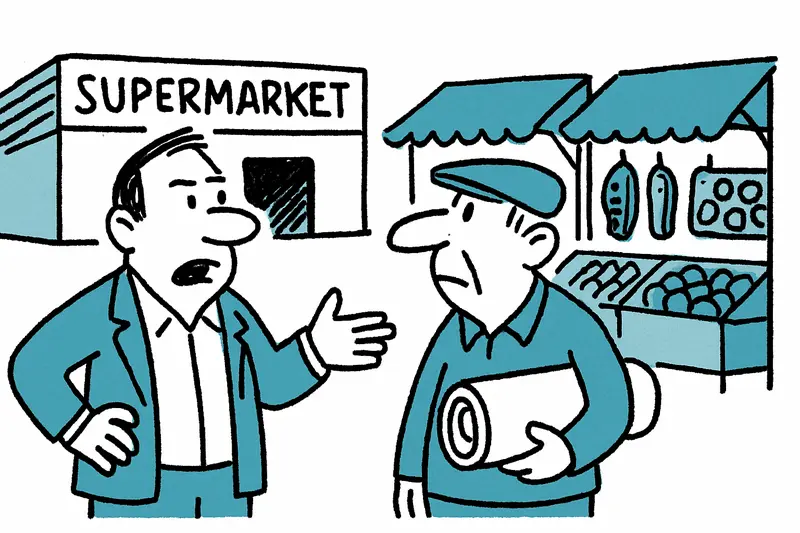
You turn off Calle de Bartomeu Salvà around the corner, pass the local branch of the immigration office, and suddenly you are standing in front of the Mercat de Llevant. In the past the morning was filled with the traders' chatter; today a shopping trolley from the on-site supermarket rolls over the tiles. The city council has now put the renovation and the re-awarding of the concession out to tender, as reported in Mallorca Magic coverage of the Mercat de Llevant re-tender. The key question is: Can Palma manage to turn the building back into a true market hall — or will it remain an attractive but interchangeable consumer market?
What the city demands — and what that means in practice
The tender requires concepts that preserve the traditional character of the hall and put fresh, local produce at the center. Specifically: more stalls, fixed fish and meat counters, fruit and vegetable vendors and small snack outlets instead of just rows of shelves. A minimum investment of around €1.45 million is planned; the renovation work should be completed within about three years after the contract is awarded. That sounds ambitious, but it is only the beginning.
What is often overlooked in public debate: the contract terms after the construction phase. Who pays the rents? Are there protection clauses against chains? And what rules apply to delivery times, waste disposal and origin of goods? On paper there is tradition and local products. In practice, pricing, lease agreements and daily logistics decide whether small producers can operate economically at all.
Opportunities — and the hurdles for small vendors
The positives are obvious: Palma needs more places where residents can shop. The Mercat de Llevant could become a meeting point again. The shout of the fishmongers in the morning, the smell of freshly brewed coffee from the side street, the clatter of crates — such small things shape urban life.
But the required investment sum is no small matter. Small cooperatives, individual producers from the interior of the island or young bakers will find it hard to shoulder such hurdles alone. The risk: large operators or investors step in and bring professional management, but also standardized concepts that hardly differ from other indoor markets.
Underestimated problems: time, heritage protection, residents' interests
Three years of construction sounds reasonable — until administrative procedures, heritage protection checks or supply shortages intervene. And: the residents around the market do not want a pure event venue for tourists, but a daily local supplier. Poor planning could disappoint both expectations: too touristy during the day and too empty in the evenings.
Another point that is often overlooked is infrastructure: cold rooms, delivery zones, waste separation and accessibility cost money and take up space. Are these costs sufficiently considered in the tender? And who will bear later operating costs if stall rents are high?
Concrete proposals so it does not remain mere declarations of intent
If Palma is serious, it needs more than fine words in the tender. A few pragmatic ideas the city should examine:
- Rent caps and staged models: Temporarily reduced, staggered rents for new market stalls (e.g. lower rent in the first three years) to ease the start-up period for founders.
- Quotas for local suppliers: Contract clauses that secure a minimum share of products from small producers, winemakers and cheesemakers from Mallorca.
- Support loans and cooperative models: City participation, microcredits or grants for cooperatives formed to operate the market.
- Transitional solutions: Mobile stalls or pop-up spaces during the construction period so that market life does not break off and customer loyalty is maintained.
- Governance with trader participation: An advisory board of traders, residents and city representatives to oversee usage rules in the long term.
How the hall could sound if everything works out
I picture it like this: classic market stalls in the morning, small tapas corners at noon, evening events with local chefs. Fixed opening hours, a clear separation from the supermarket area and space for nearby producers — bakers, winemakers, olive oil makers. Then the Mercat de Llevant would again be part of the daily rhythm of the city: voices, smells, the clatter of baskets, conversations about the weather.
Whether this happens will be decided by the tender — and the concrete design of the contracts afterward. Palma has the chance to reclaim a piece of everyday urban culture. But only if awarding, rents and operations are designed so that real local suppliers can survive. Otherwise, in the end there will only be a nicely renovated space with shelves, but no soul.
Interested parties can find the details in the Platform for Public Procurement in Spain. And anyone passing the hall in the morning: listen. If soon voices and traders' calls again define the scene, we will know it worked.
Frequently asked questions
What is happening with the Mercat de Llevant in Palma?
Will the Mercat de Llevant in Palma still have a supermarket?
What kind of stalls does Palma want at the Mercat de Llevant?
How long could the renovation of Mercat de Llevant in Palma take?
Why is it difficult for small producers to open a stall at Mercat de Llevant?
Could the Mercat de Llevant become a real neighbourhood market again?
What matters most in the Mercat de Llevant tender for Palma?
Why do residents in Palma care about the future of Mercat de Llevant?
Similar News

After Being Admitted to Hospital Again: Heinz Hoenig and the Questions We Should Ask in Mallorca
Long-time Mallorca resident Heinz Hoenig was admitted to hospital again. A clear “what next?” is missing from the covera...
Yellow Alert: Is Mallorca Prepared for the Next Rain Band?
Aemet has issued a yellow alert for the south, southwest and the island's interior. Thunderstorms and heavy rain are for...
Kegel brothers trial postponed: Why Mallorca must wait for a verdict
The trial of 13 German holidaymakers will not begin until May 2028. The long wait raises questions — for victims, defend...

Chaos on Palma's Runway: Why the Summer at the Airport Was So Disrupted
This summer laid bare where Palma airport is faltering: only just over half of departures were on time and seven percent...

Cocaine Offer on Ham Street: Why the Open Trade Should Ring Alarm Bells
In the middle of Pare Bartomeu Salvà a tourist was offered a packet of cocaine as part of a sunglasses deal. A short int...
More to explore
Discover more interesting content

Can Cap de Bou

Townhouse Lleo 72
