
Palma on the Verge: Opportunities and Everyday Life as the City Seeks to Become European Capital of Culture 2031
Palma on the Verge: Opportunities and Everyday Life as the City Seeks to Become European Capital of Culture 2031
Palma's bid to become Europe's Capital of Culture 2031 is entering the final phase: an expert panel will decide on round two in early March. What that means for the city — and how people on the streets react.
Palma on the Verge: Opportunities and Everyday Life as the City Seeks to Become European Capital of Culture 2031
Decision in spring, impact for years — and a lively Passeig Mallorca
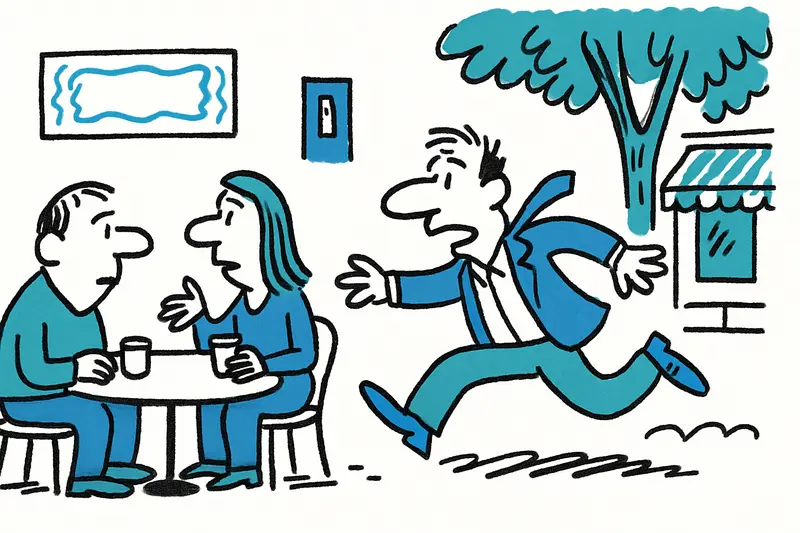
The city breathes in the mild winter evening, the neon signs on the Passeig Mallorca shimmer, and at the street cafés students discuss exhibition proposals. It is precisely in this everyday mix that the argument behind Palma's bid for the European Capital of Culture 2031 lies: culture not as an event, but as part of daily life.
In early March, specifically on March 6, a first hurdle takes place: an independent panel of experts will announce which Spanish applicants advance to the next selection round. The hearings, where cities present their concepts in person, are scheduled from March 2 to 5 at the Ministry of Culture in Madrid. In total, nine Spanish municipalities applied for the title; Spain awards the 2031 designation in partnership with Malta.
What the jury will assess is no surprise: they will evaluate the quality of the cultural program, its orientation toward European partnerships, the prospects for long-term impact, and above all how much residents are involved. The panel consists of twelve specialists — ten were appointed by European institutions, two by the Spanish Ministry of Culture.
For Palma, the title would mean more than a year full of events. The city could attract funding and attention for projects that otherwise sit in desk drawers for years: restoration of small houses in La Lonja, a network of independent cultural centers in Son Armadams, or collaborations with artists from Malta and elsewhere in Europe. And yes: concerts and exhibitions are important, but the most sustainable impact is more likely to be seen in infrastructure, education programs, and new jobs in the cultural sector.
A concrete observation from everyday life: on a gray morning in January, two ceramicists and a graphic designer sit in a small studio by the Mercat de l’Olivar working on prototypes for a street art project. They talk about how a larger funding window would allow them to keep workshops open longer — an offer that gives both residents and visitors a sense of warmth and makes the city more permeable.
The timeline of the competition is strict: the selection process runs over several years, starting six years before the title year; the official appointment usually takes place four years before. After the possible finalists are announced in March, the final decision comes in December. That means for Palma: focus now on the concept, long-term planning, and local mobilization.
Why would this be good for Mallorca? In short: it's an opportunity to broaden the island's image. Instead of being measured only by bed numbers, Palma could be seen as a place that nurtures creativity, retains talent, and strengthens cultural education. Such changes also help extend the tourist season and create economic impulses beyond pure beach tourism — provided projects are open, inclusive, and value sustainability.
A brief outlook: even if Palma does not get the award, the work on the cultural program is worthwhile. Many initiatives created for the bid can be continued — from neighborhood studios to cross-border scholarships to new outreach formats in schools. Walking down the street, you can already hear the voices: those who draw plans, and those who ask questions out of curiosity. This mix may be the most important gain — the city that not only stages culture but considers it every morning.
The race continues, the dates are set, and in Palma preparations are underway — with ideas, small pilot projects, and the hope that culture can become part of everyday life. For the people here that means: more workshops, more encounters, and a city that will increasingly become a meeting place for creatives from across Europe.
Frequently asked questions
What would it mean for Palma if it became European Capital of Culture 2031?
When will the first decision on Palma’s 2031 culture bid be made?
What does the jury look for in a European Capital of Culture bid?
How could Palma’s culture bid change everyday life in the city?
Is it still worth preparing culture projects in Palma even if the city does not win?
What role does Passeig Mallorca play in Palma’s cultural life?
Could Palma’s 2031 culture bid help extend the tourist season in Mallorca?
What kind of cultural projects could Palma develop for 2031?
Similar News
Mistaken identity with fatal consequences: Brutal assault in S'Aranjassa — what's missing in the follow-up?
At S'Aranjassa a visitor to a finca was tied up, beaten and thrown out of a van. Three men have been arrested, including...
High heel slips, car accelerates: accident on Camí de Son Hugo
A woman lost a high-heeled shoe on the forecourt of the sports facility at Camí de Son Hugo. The car accelerated, mounte...
Phone Scam: How Two Hotel Employees at Playa de Palma Lost Thousands of Euros
One morning in September, two reception employees at Playa de Palma were pressured by alleged alarm-company staff — in t...
When the Wallet Becomes a Danger: Attack in Peguera and Lessons for Mallorca
In Peguera, two women are said to have stolen the wallet from a 75-year-old German couple. When the victim intervened, t...
Plata stays Plata: Young people take over, Llonguets remain
A small bar on Carrer de l'Argenteria will continue: Tolo Serra hands the place over to young Mallorcans at the end of t...
More to explore
Discover more interesting content

Can Cap de Bou

Townhouse Lleo 72
